
 Save
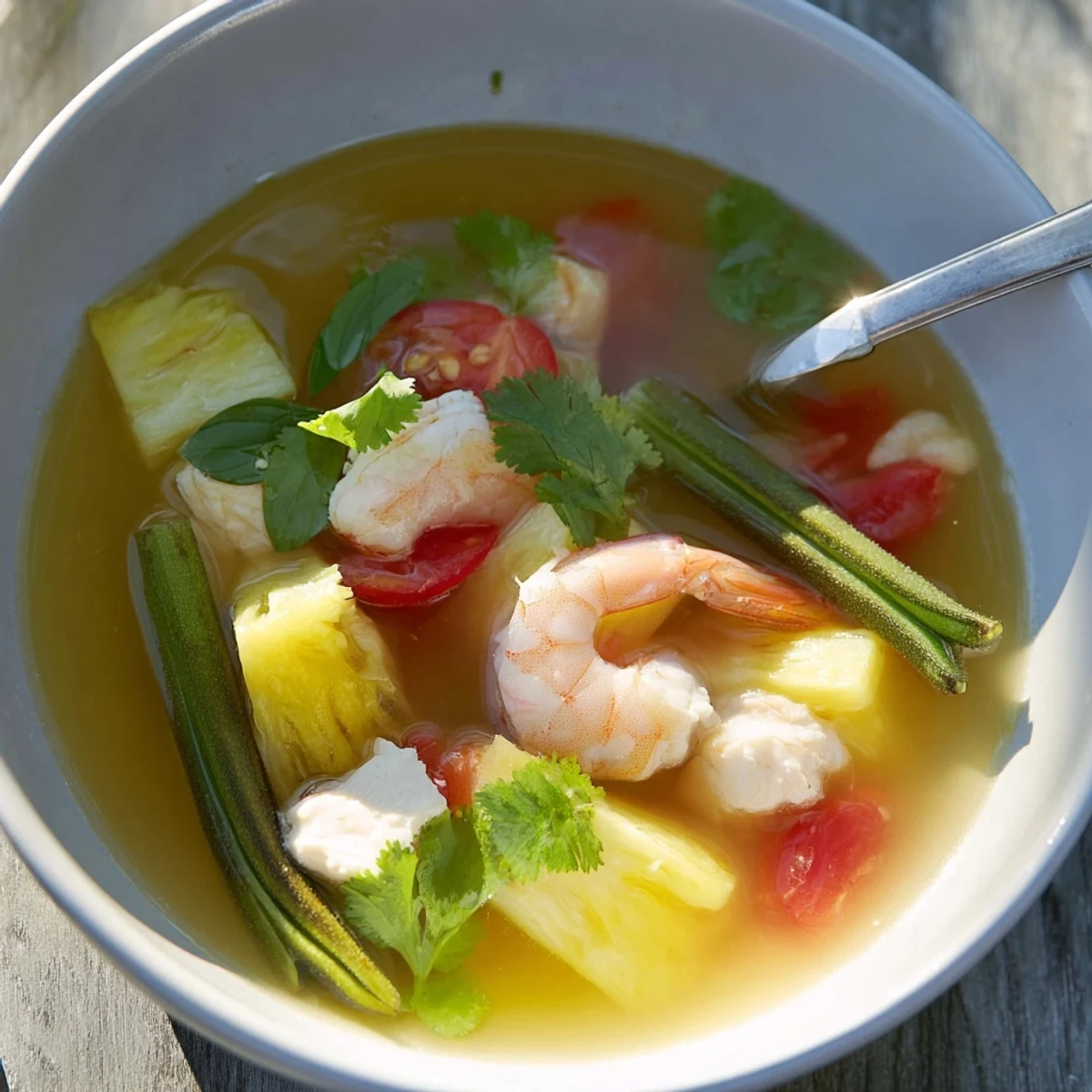
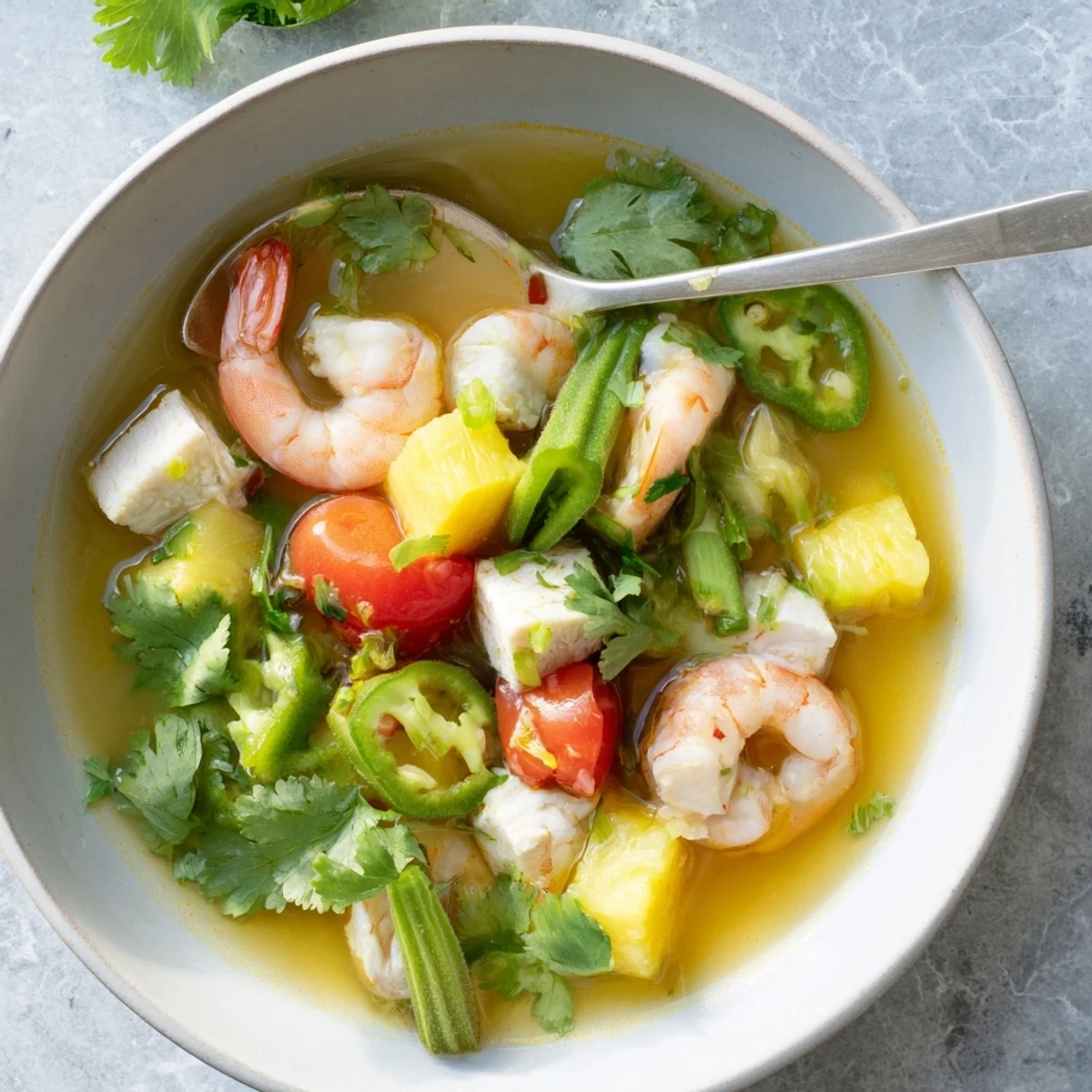
Save This classic Vietnamese soup combines the perfect balance of sweet, sour, and savory flavors. Fresh fish fillets and shrimp simmer in a tangy tamarind broth alongside juicy pineapple chunks, ripe tomatoes, and crisp vegetables. The dish gets its signature aroma from lemongrass, garlic, and a generous handful of fresh herbs including cilantro, Thai basil, and sawtooth herb. Each spoonful delivers a complex harmony of flavors that's both refreshing and comforting. The naturally gluten-free soup comes together in just 40 minutes, making it perfect for weeknight dinners while still being impressive enough for guests.
The first time my grandmother made Canh Chua during a humid summer afternoon, the entire house filled with this incredible tangy aroma that made my mouth water. She told me the secret was in the balance between the tamarind's sourness and pineapple's natural sweetness, a dance of flavors that defines Vietnamese comfort food. I watched her carefully add each ingredient, explaining that this soup was meant to refresh and restore, especially on stifling hot days. Now whenever I make it, that same fragrance transports me back to her tiny kitchen where she taught me that cooking is about feeling your way through flavors.
Last winter, when my friend was recovering from a bad cold and couldn't taste anything, I brought her a steaming pot of Canh Chua. She took one sip and her eyes lit up, telling me the vibrant flavors had broken through her congestion and reminded her what food should taste like. We sat at her kitchen table, eating bowl after bowl with jasmine rice, and she said the soup felt like a warm hug from an old friend. That moment confirmed what my grandmother always knew, this soup has the power to heal both body and spirit.
Ingredients
- White fish fillets: Catfish or tilapia work beautifully here because they hold their shape and absorb the tangy broth without becoming mushy
- Shrimp: These add sweetness and texture, but you can skip them or use more fish if you prefer
- Pineapple: Fresh pineapple is non-negotiable for that natural sweetness that balances the sour elements
- Tamarind paste: This gives the soup its signature tang, but lime juice works in a pinch
- Lemongrass: Bruising the stalks releases their citrusy oils, infusing the broth with incredible aroma
- Fresh herbs: The combination of cilantro, Thai basil, and rice paddy herb makes this soup sing with freshness
Instructions
- Build the flavor foundation:
- Heat oil in your largest pot over medium heat and sauté garlic and onions until they turn translucent and fragrant, about 2 minutes. This simple base creates depth that carries through the entire soup.
- Add the aromatics:
- Toss in lemongrass pieces and tomato wedges, cooking until tomatoes start breaking down and releasing their juices. The kitchen should already smell amazing at this point.
- Create the broth:
- Pour in your water or fish stock and bring everything to a gentle boil. Stir in the tamarind paste and sugar, letting them dissolve completely before tasting and adjusting the balance.
- Cook the vegetables:
- Add pineapple chunks, celery slices, and okra if you're using it. Let these simmer for about 5 minutes until they're tender but still hold their shape.
- Add the seafood:
- Gently lower in your fish chunks and shrimp, being careful not to break up the fish. Simmer for 5 to 7 minutes until just cooked through, skimming any foam that rises to the top.
- Season perfectly:
- Add fish sauce, salt, and pepper, then taste your broth. This is when you adjust the tamarind or sugar to hit that magical sweet and sour balance.
- Finish with fresh herbs:
- Stir in bean sprouts, chopped cilantro, Thai basil, spring onions, and chilies. Give everything one final minute to meld together before turning off the heat.
- Serve immediately:
- Ladle the hot soup into bowls, making sure each serving gets plenty of vegetables, seafood, and broth. Garnish with extra herbs and serve alongside steaming jasmine rice.
 Save
Save This soup became my go-to remedy during rainy season when everyone in my household needed something warming yet light enough to not feel heavy. There's something magical about how the sour broth wakes up your palate while still feeling comforting and nourishing.
Finding the Right Balance
The trickiest part of Canh Chua is getting that perfect sweet and sour equilibrium. My grandmother taught me to trust my tastebuds rather than measurements, adding tamarind a teaspoon at a time until the broth makes my mouth pucker just slightly. The pineapple should provide enough sweetness, but some days you might need an extra pinch of sugar to bring everything into harmony.
Making It Your Own
While traditional Canh Chora uses catfish, I've discovered that snapper adds a lovely sweetness while tilapia keeps things budget-friendly. You can also make a completely vegetarian version using firm tofu cubes and vegetable stock, though you might want to add a little extra tamarind to compensate for the missing fish sauce depth.
Serving Suggestions
This soup deserves to be the star of your meal, served alongside fluffy jasmine rice that soaks up every drop of the flavorful broth. A simple green salad with lime dressing makes a perfect cooling contrast.
- Keep extra lime wedges on the table for those who love extra tang
- Have additional fish sauce available so diners can adjust seasoning to their taste
- Remember to remove the lemongrass stalks before serving so nobody bites into them
 Save
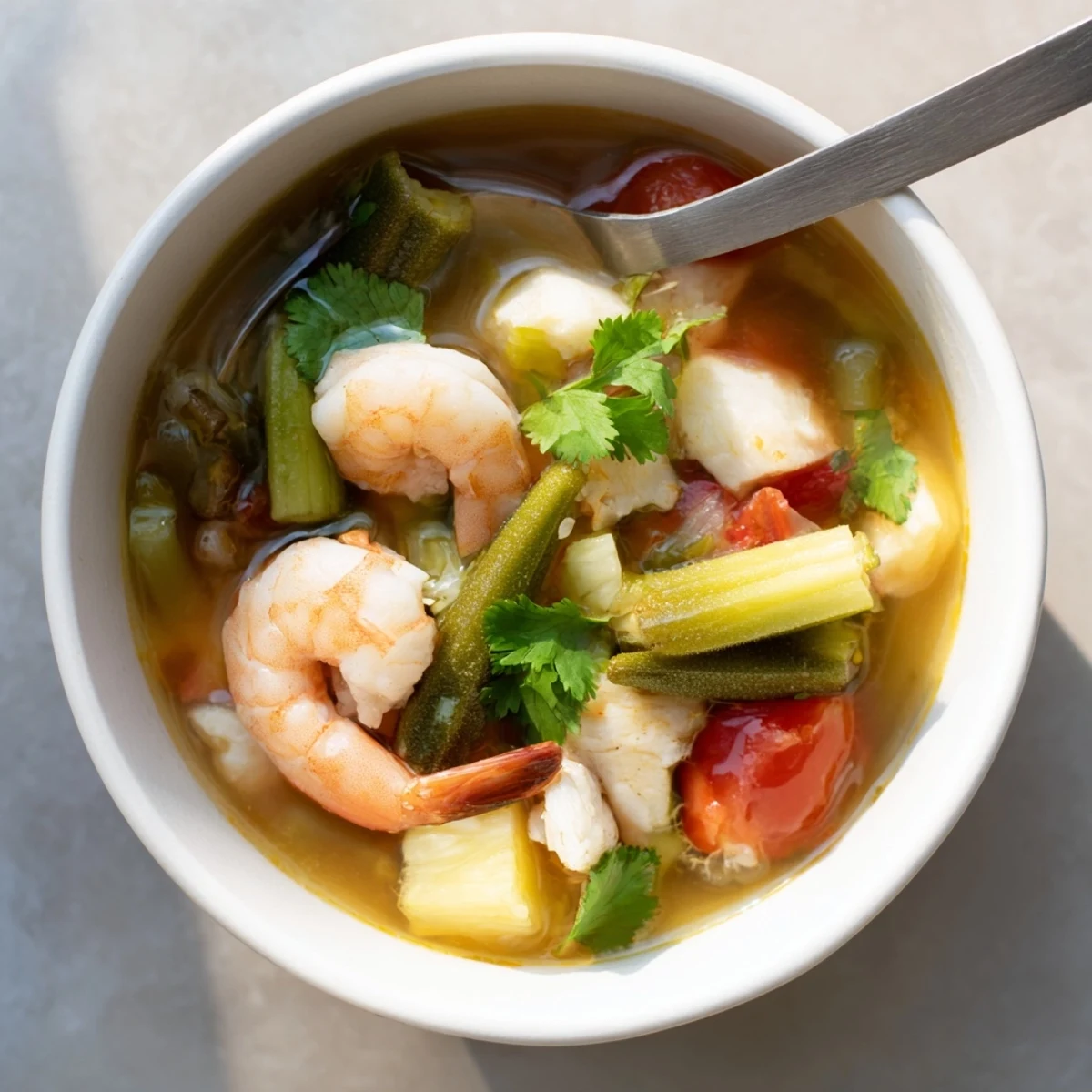
Save There's nothing quite like sitting down to a steaming bowl of Canh Chua, with its complex flavors and comforting warmth. This soup has been bringing families together for generations, and I hope it becomes a staple in your kitchen too.
Your Recipe Questions Answered
- → What makes Canh Chua special?
-
The unique combination of tamarind's natural acidity, pineapple's sweetness, and fresh fish creates a perfectly balanced flavor profile that's both tangy and savory. The aromatic herbs like lemongrass, Thai basil, and cilantro add layers of fragrance that make this soup distinctly Vietnamese.
- → Can I make Canh Chua vegetarian?
-
Absolutely. Simply substitute the fish and shrimp with firm tofu cubes and use vegetable stock instead of fish stock. Replace fish sauce with soy sauce or a vegetarian fish sauce alternative to maintain the savory depth.
- → What fish works best for this soup?
-
White fish fillets like catfish, tilapia, snapper, or sea bass are ideal because they hold their shape during cooking and have a mild flavor that complements the tangy broth. Avoid delicate fish that might flake apart too easily.
- → How do I adjust the sourness level?
-
Start with one tablespoon of tamarind paste, then taste the broth before adding fish. If you prefer more tanginess, add another teaspoon of tamarind paste. For a brighter acidity, squeeze in some fresh lime juice just before serving.
- → What should I serve with Canh Chua?
-
Steamed jasmine rice is the traditional accompaniment, perfect for soaking up the flavorful broth. You can also serve it with rice noodles or crusty bread. The soup works well as a light main course or as part of a larger Vietnamese meal.
- → Can I prepare this soup in advance?
-
You can prepare the broth base with vegetables up to a day ahead, but add the seafood and fresh herbs just before serving. Reheat the broth gently and cook the fish for 5-7 minutes to prevent it from becoming tough or overcooked.