
 Save
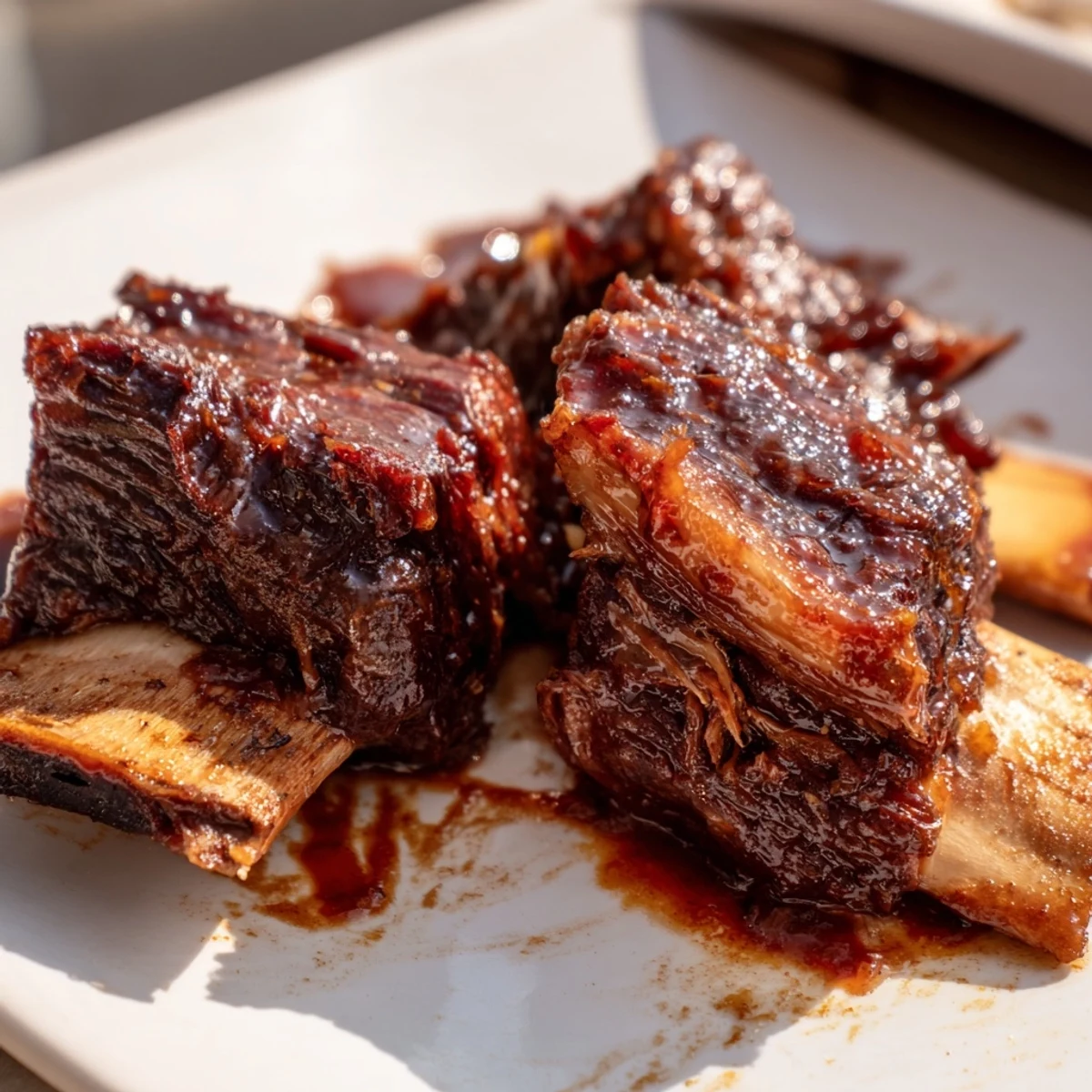
Save These maple bourbon glazed short ribs deliver melt-in-your-mouth tenderness after slow braising for nearly three hours. The beef develops deep, savory flavors while absorbing the sweet maple syrup, smoky bourbon, and tangy Dijon mustard. The finished glaze thickens beautifully, coating each rib in a glossy, caramelized sauce that balances richness with just the right amount of sweetness.
The first time I made these ribs, my apartment smelled like a cabin in Vermont mixed with a bourbon distillery. My neighbor actually knocked on my door to ask what I was cooking, and ended up staying for dinner. Now it is the one dish that disappears fastest at any gathering, with people asking if there is more sauce before they have even finished their first bite.
I made these on a snowy Sunday when friends canceled plans at the last minute. Instead of feeling disappointed, I spent the afternoon tending to the bubbling pot, occasionally checking through the oven window as the sauce turned from bright red to deep mahogany. When the ribs emerged, falling apart at the mere suggestion of a fork, I realized some of the best meals are the ones that force you to slow down and wait.
Ingredients
- Beef short ribs: Bone-in cuts provide the best flavor and collagen for that melting texture, so look for well-marbled pieces with good fat distribution
- Yellow onion, carrots, and celery: This aromatic foundation builds depth, and taking time to properly soften them makes a noticeable difference in the final sauce
- Pure maple syrup: Real maple syrup adds a complexity that pancake syrup cannot match, so invest in the good stuff for this glaze
- Bourbon whiskey: The alcohol cooks off but leaves behind warm vanilla and caramel notes that round out the sweetness
- Tomato paste: Concentrated tomato adds body and helps create that gorgeous lacquered finish on the ribs
- Beef stock: Homemade stock shines here, but a high-quality store-bought version works perfectly fine
- Apple cider vinegar: Just enough acid cuts through the richness and keeps the glaze from becoming cloyingly sweet
- Dijon mustard: Adds a subtle sharpness that you will not necessarily taste but keeps all the flavors in balance
- Smoked paprika: This is the secret ingredient that makes people ask what you added that makes these taste so special
- Olive oil: Use a neutral oil with a high smoke point for searing, as the fond it creates becomes the backbone of your sauce
Instructions
- Season and sear the ribs:
- Pat the short ribs completely dry with paper towels, then season generously with salt and pepper. Heat olive oil in your Dutch oven until it shimmers, then add the ribs in batches without crowding the pot. Let them develop a deep brown crust on all sides, about 3 to 4 minutes per side, then transfer to a plate.
- Build the aromatic base:
- In the same pot, add your onion, carrots, and celery. Cook them for about 5 minutes until they start to soften and brown at the edges, then stir in the garlic for just 1 minute until fragrant. Stir in the tomato paste and let it cook for 1 to 2 minutes until it darkens slightly.
- Deglaze with bourbon:
- Pour in the bourbon and stand back slightly as it bubbles up. Use a wooden spoon to scrape up all those flavorful browned bits from the bottom of the pot, then let it cook for 2 minutes until the harsh alcohol smell dissipates and the liquid reduces slightly.
- Create the glaze:
- Stir in the maple syrup, soy sauce, Dijon mustard, apple cider vinegar, smoked paprika, and beef stock. Bring everything to a gentle simmer, making sure to dissolve any maple syrup stuck to the sides of the pot.
- Braise until tender:
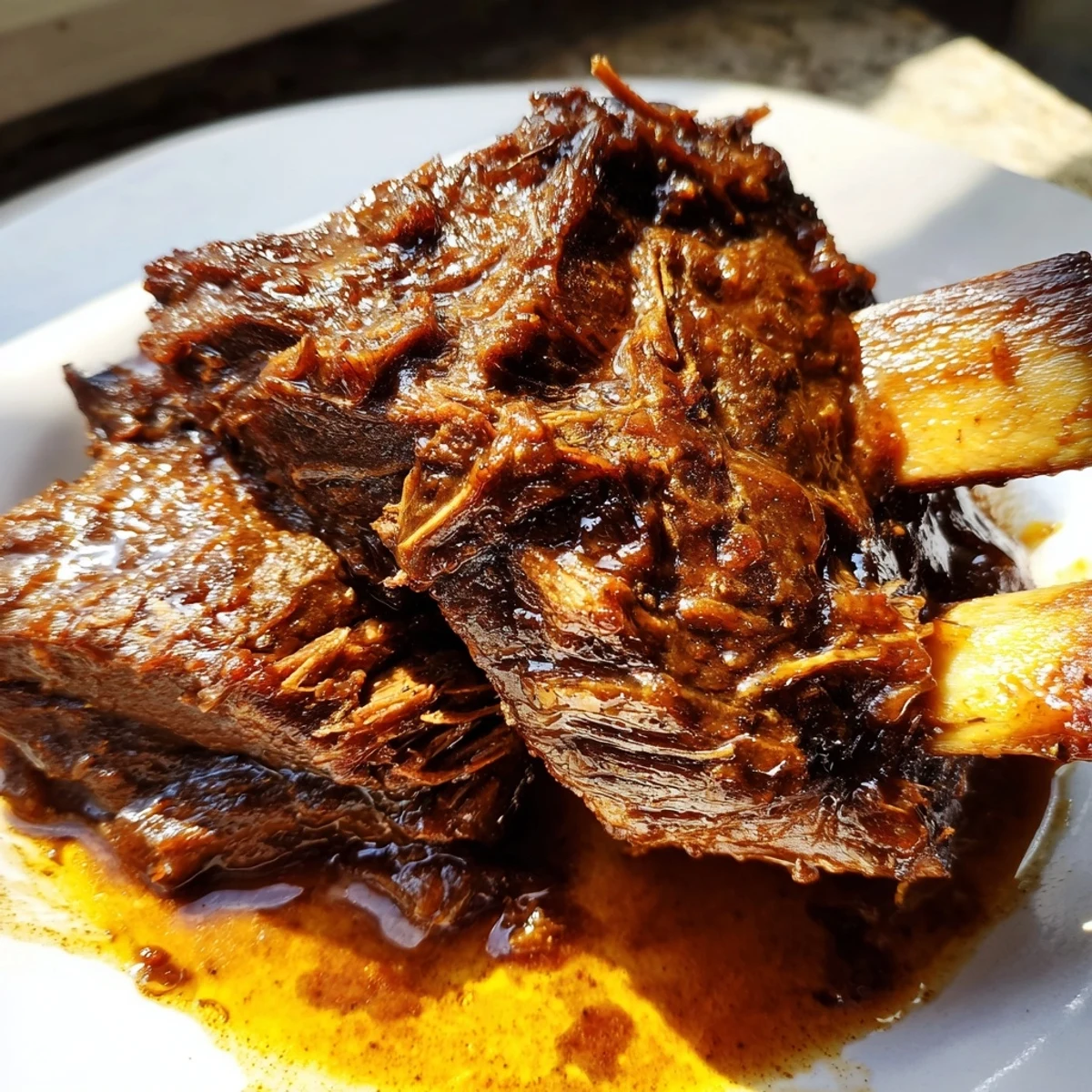
- Return the short ribs to the pot, nestling them down into the liquid and vegetables. Cover with a tight-fitting lid and transfer to the oven. Let them braise undisturbed for 2.5 to 3 hours until the meat pulls away easily from the bone when tested with a fork.
- Caramelize the glaze:
- Remove the lid for the last 30 minutes of cooking, letting the sauce reduce and thicken into a glossy coating. The ribs should develop a deep, sticky finish that catches the light when you open the oven door.
- Finish and serve:
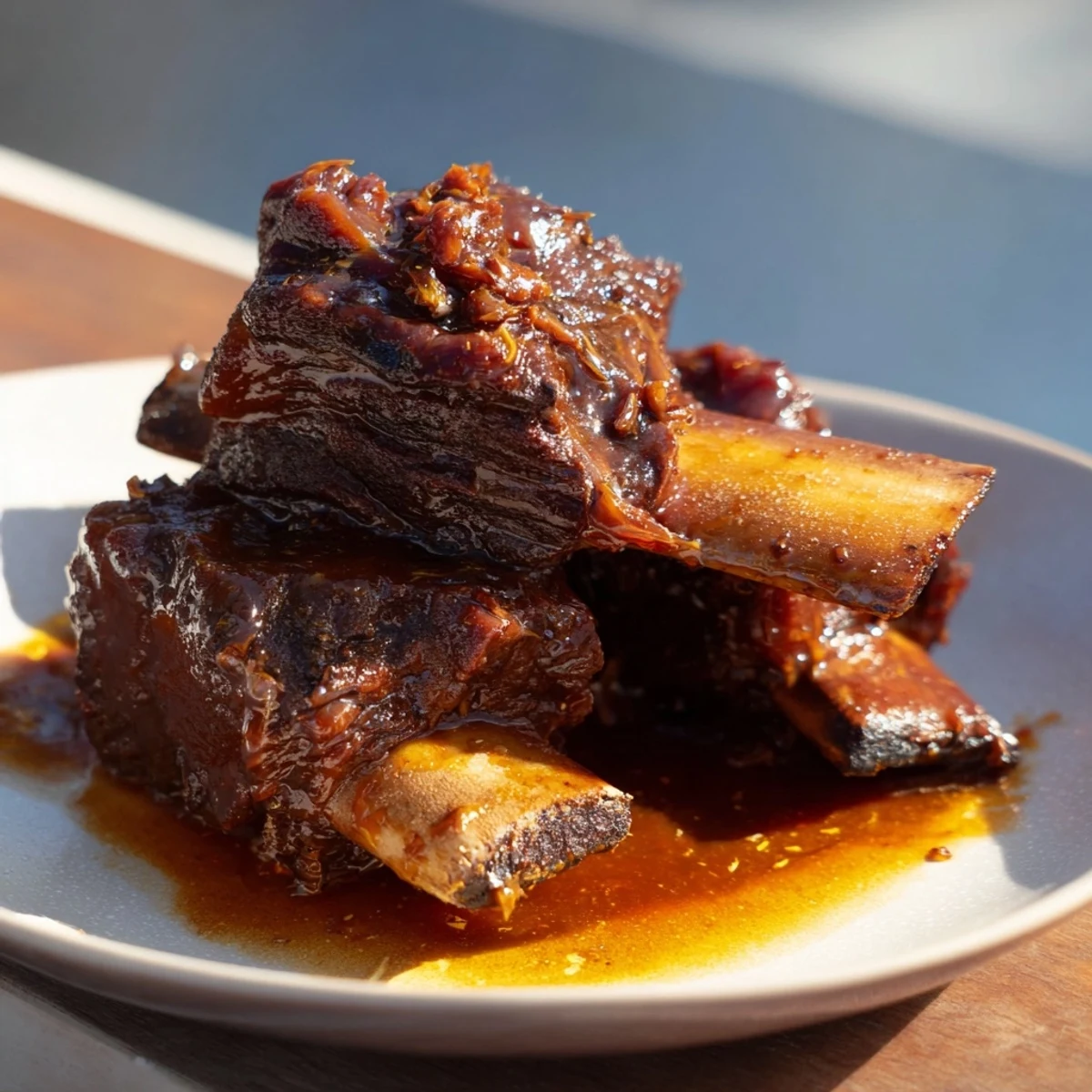
- Transfer the ribs to a serving platter and cover loosely with foil to keep warm. Skim any excess fat from the sauce, then simmer it on the stovetop until it coats the back of a spoon. Pour the finished glaze over the ribs and serve immediately.
 Save
Save My father-in-law, who never comments on food unless something is wrong, went silent after his first bite of these ribs. When he finally looked up, he simply asked if I would teach him how to make them. That evening in the kitchen, passing him the spoon to taste the glaze, I understood that some recipes are not just about feeding people but about creating moments worth repeating.
Choosing the Right Cut
I have learned through trial and error that English-cut short ribs work better than the flanken style for this recipe. The longer, narrower pieces of meat hold up beautifully to hours of braising, and the bone running through the center adds incredible depth to the sauce. Ask your butcher to cut them about three inches thick if you do not see them already prepared that way.
Serving Suggestions
These ribs deserve something that can stand up to their richness without competing with the complex glaze. Creamy polenta has become my go-to because its mild flavor lets the ribs shine while still providing that comforting texture. A simple arugula salad dressed with lemon and olive oil helps cut through the richness, and roasted root vegetables pick up on the autumn flavors in the glaze.
Make Ahead Magic
The best thing about this recipe is how it actually improves when made ahead of time. I like to braise the ribs a day early, let them cool completely in the sauce, then refrigerate overnight. The next day, you can easily skim off all the hardened fat from the surface before reheating. This extra time allows the flavors to meld together and develop an even deeper complexity.
- Wrap the cooled ribs tightly if freezing, and thaw in the refrigerator overnight before reheating
- Leftover sauce freezes beautifully in ice cube trays for instant flavor boosts to future meals
- Never skip the skimming step after refrigeration, as removing the excess fat makes the final dish much more refined
 Save
Save There is something deeply satisfying about a recipe that asks so little of you beyond patience and attention. These ribs have become my answer to practically every occasion that calls for food that feels like a hug.
Your Recipe Questions Answered
- → How do I know when the short ribs are done?
-
The short ribs are ready when the meat pulls away easily from the bone and a fork slides in without resistance. This typically takes 2.5 to 3 hours of braising at 160°C (325°F).
- → Can I make this dish ahead of time?
-
Absolutely. In fact, the flavors improve overnight. Prepare the ribs, cool completely, and refrigerate. The next day, skim any solidified fat from the top and reheat gently on the stovetop or in a 160°C (325°F) oven until warmed through.
- → What can I substitute for bourbon?
-
Replace bourbon with unsweetened apple juice combined with a half teaspoon of liquid smoke. This maintains the fruity sweetness and smoky depth that bourbon provides to the glaze.
- → Why remove the lid for the last 30 minutes?
-
Removing the lid allows excess moisture to evaporate, which concentrates and thickens the glaze. It also encourages caramelization on the exposed meat, creating a rich, sticky exterior.
- → What sides pair well with these short ribs?
-
Creamy mashed potatoes, buttery polenta, or roasted root vegetables complement the rich sauce beautifully. The starch helps soak up every drop of the maple-bourbon glaze.
- → Can I use boneless short ribs?
-
Yes, boneless short ribs work well and may cook slightly faster—check for tenderness after 2 hours. The braising time remains similar since boneless cuts still need slow cooking for proper tenderness.