
 Save
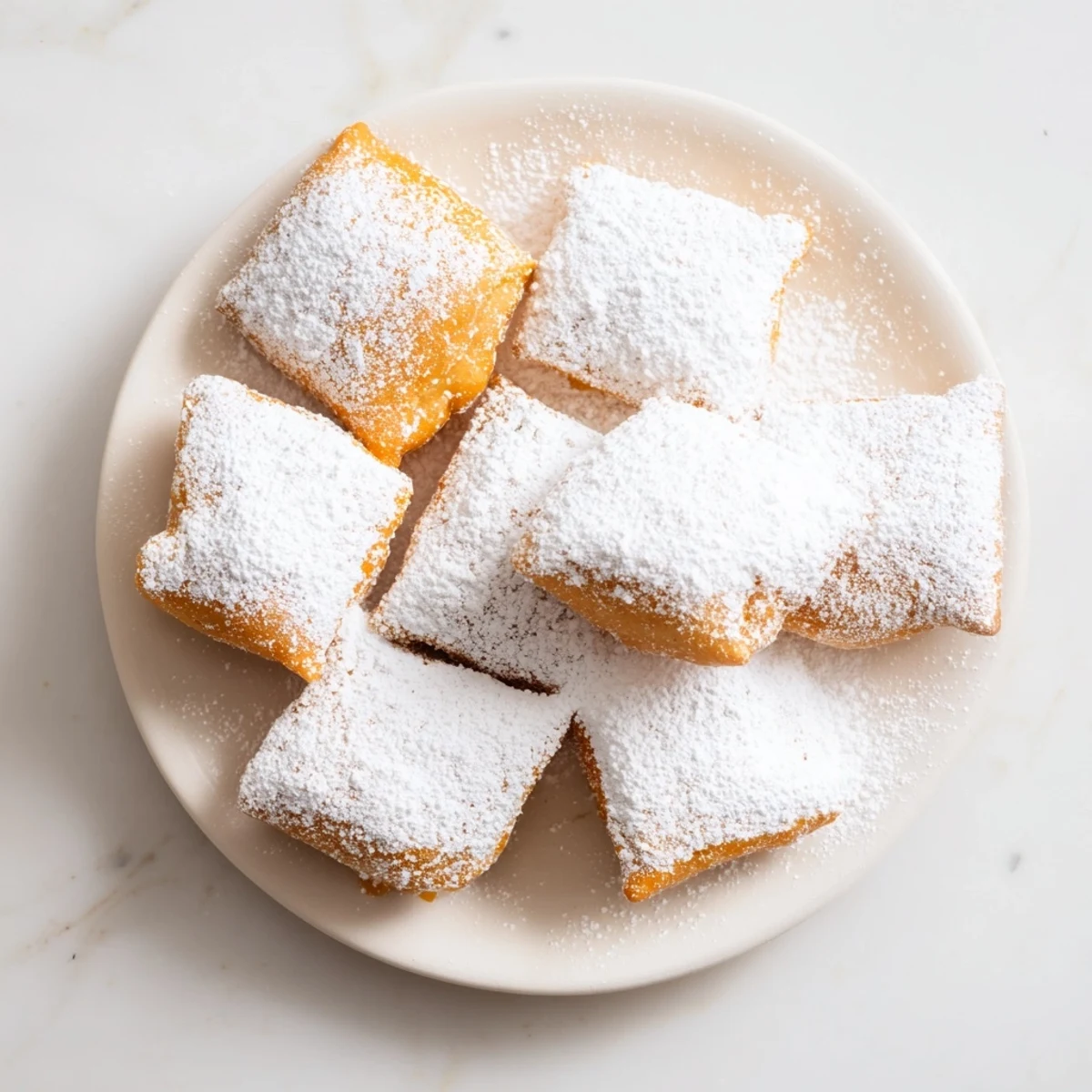
Save Create these classic French treats with a light, pillowy dough infused with pure vanilla. The yeast-based dough requires patience with proper rising time to achieve that signature airy texture. Deep-fried until golden brown and puffed, these delicate squares emerge crisp on the outside with a tender, cloud-like interior. Generously dust with powdered sugar while warm for the perfect finishing touch.
My tiny Paris hotel room smelled like warm sugar and yeast every morning for a week straight. The boulangerie downstairs made beignets fresh at dawn and I would lean out my window watching steam rise from their paper bags. I spent years trying to recreate that specific vanilla scent in my own kitchen until one rainy Sunday I finally cracked the code.
Last winter my sister came over unexpectedly during a snowstorm and I had beignet dough rising on the counter. We stood around the stove watching them puff up in the oil powdered sugar dusting our dark sweatshirts like glitter. She still texts me about that afternoon whenever it snows.
Ingredients
- All-purpose flour: This creates the structure but dont pack it down or theyll be dense instead of cloudlike
- Granulated sugar: Just enough to balance the yeast and help the dough develop flavor
- Active dry yeast: Make sure your water is warm not hot or youll kill the yeast before it even starts working
- Salt: Essential for flavor contrast against all that sugar
- Whole milk: Room temperature helps it incorporate evenly into the dough
- Warm water: The temperature should feel like a comfortable bath on your wrist
- Large eggs: Room temperature eggs emulsify better with the butter and milk
- Unsalted butter: Melt it first then let it cool so it doesnt scramble your eggs
- Pure vanilla extract: This is the secret that makes them special so dont skip it
- Vegetable oil: You need enough depth so the beignets float freely while frying
- Powdered sugar: Dust them while still warm so it melts slightly creating that signature coating
Instructions
- Wake up the yeast:
- Dissolve the yeast in warm water and watch for tiny bubbles to form on the surface
- Build the foundation:
- Whisk the flour sugar and salt together in your stand mixer bowl so everything is evenly distributed
- Bring it together:
- Pour in the yeast mixture milk eggs melted butter and vanilla then let the dough hook work its magic
- Let it rise:
- Cover the bowl and find a warm corner of your kitchen for the dough to double in size
- Shape the squares:
- Roll the dough to half inch thickness and cut into even squares with a sharp knife
- Second rise:
- Let the cut squares rest covered so they puff up slightly before hitting the hot oil
- Heat the oil:
- Bring your oil to 350°F and maintain that temperature throughout frying
- Fry until golden:
- Cook them for 1 to 2 minutes per side watching for that perfect deep golden color
- Dust and serve:
- Sift powdered sugar over them immediately while theyre still warm and slightly steaming
 Save
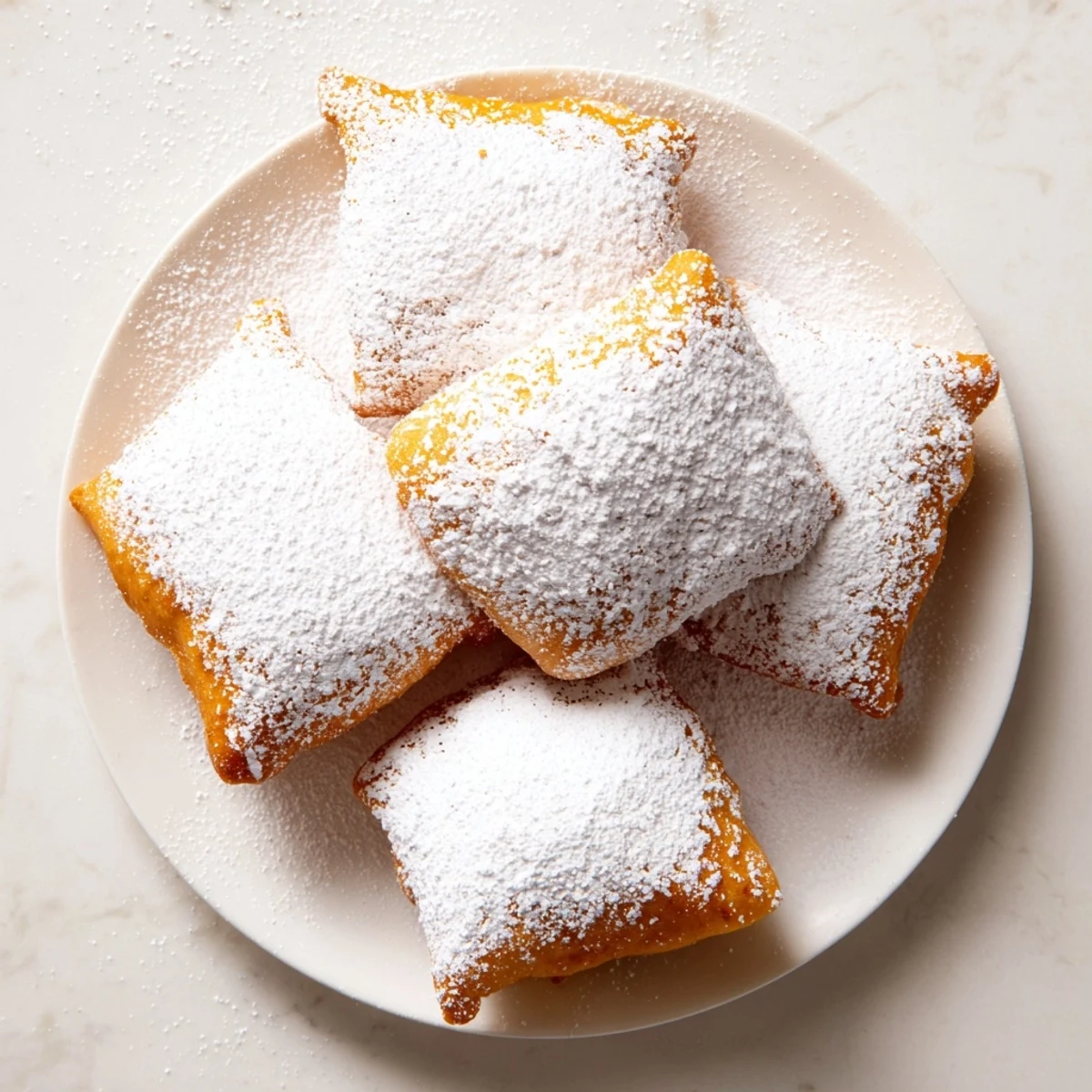
Save My daughter asked if we could have beignets for her birthday breakfast instead of cake and I realized these little fried squares had become our family tradition. She stood on a step stool dusting them with sugar more enthusiastically than carefully.
Getting The Perfect Rise
The temperature of your kitchen makes a huge difference in how quickly the dough rises. On cold days I turn my oven to 200°F for 2 minutes then turn it off and let the dough rise inside that gently warmed space.
Frying Without Fear
Deep frying can feel intimidating but keeping your oil temperature steady is the real secret. I use a candy thermometer clipped to the side of the pot and adjust the heat as needed to maintain that sweet spot between 345°F and 355°F.
Make Ahead Magic
You can mix the dough the night before and let it rise slowly in the refrigerator. The cold fermentation actually develops more flavor and the dough is easier to handle when chilled.
- Let the refrigerated dough come to room temperature for 30 minutes before rolling
- Cut all the squares before you start heating the oil to work efficiently
- Keep a paper towel lined baking sheet nearby for draining the finished batch
 Save
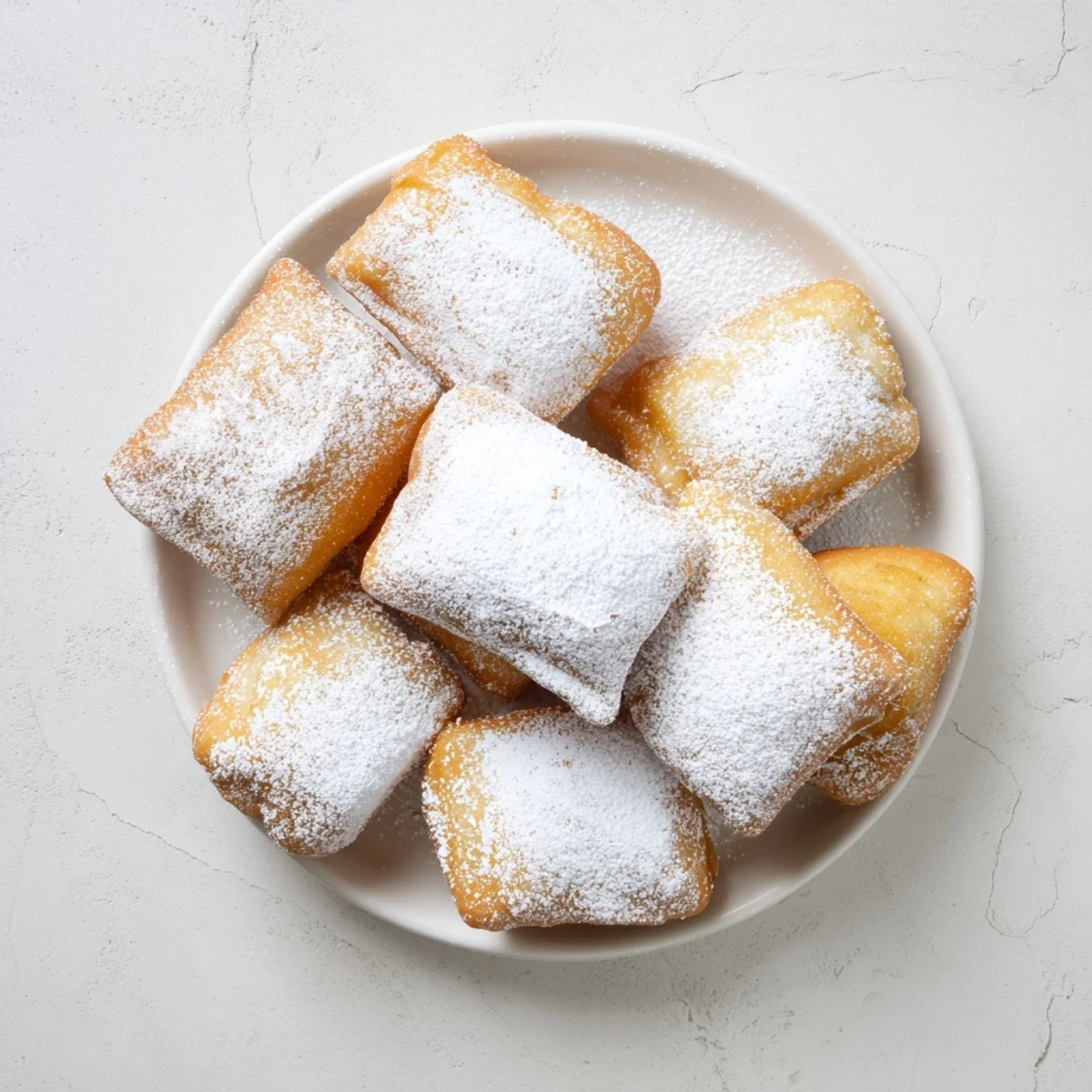
Save Nothing beats the first bite of a warm beignet fresh from the oil with sugar melting on your tongue. Make them for someone you love.
Your Recipe Questions Answered
- → What makes French beignets different from other fried doughs?
-
French beignets use a yeast-raised choux-style dough that creates a light, airy interior unlike denser fried doughs. The addition of eggs and butter creates that signature pillowy texture, while vanilla adds subtle depth to the classic flavor profile.
- → How do I know when the oil is ready for frying?
-
Heat your vegetable oil to 350°F (175°C) and test with a small piece of dough—it should sizzle immediately and rise to the surface. Use a kitchen thermometer for accuracy, as proper oil temperature ensures golden exteriors and fully cooked interiors without greasiness.
- → Why does my dough need to rise twice?
-
The first rise allows yeast to ferment and develop flavor while creating air pockets for that light texture. The second rise after cutting gives the individual squares time to puff up again, ensuring each beignet achieves maximum fluffiness during frying.
- → Can I make the dough ahead of time?
-
Yes, prepare the dough through the first rise, then refrigerate overnight for deeper flavor development. Let the dough come to room temperature before rolling and cutting, or proceed directly from the refrigerator for easier handling of this soft, sticky dough.
- → What's the best way to dust beignets with powdered sugar?
-
Sift powdered sugar over warm beignets immediately after frying while they're slightly tacky—the sugar adheres better to warm surfaces. Use a fine-mesh sieve for even distribution, or toss gently in a paper bag filled with sugar for complete coverage.