
 Save
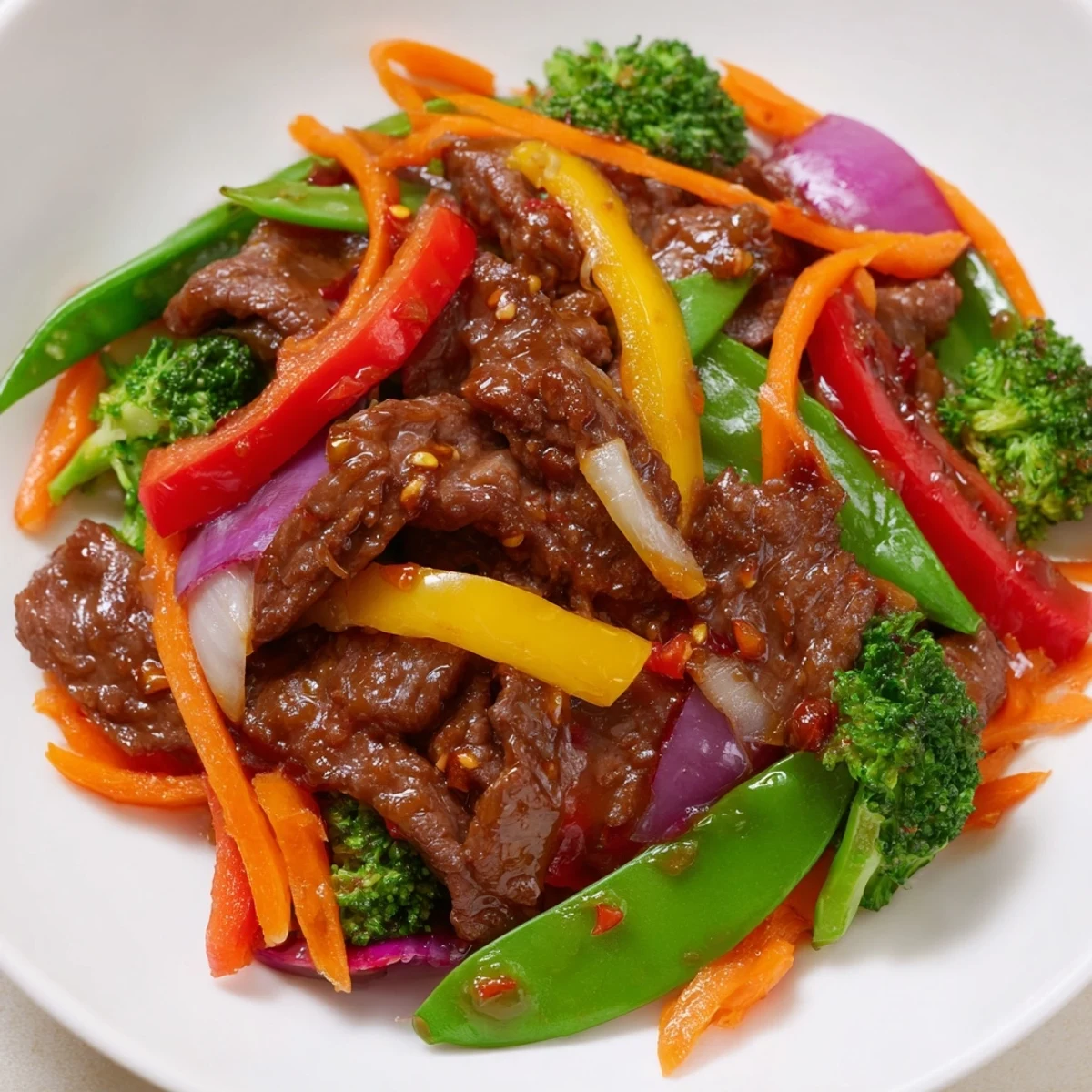
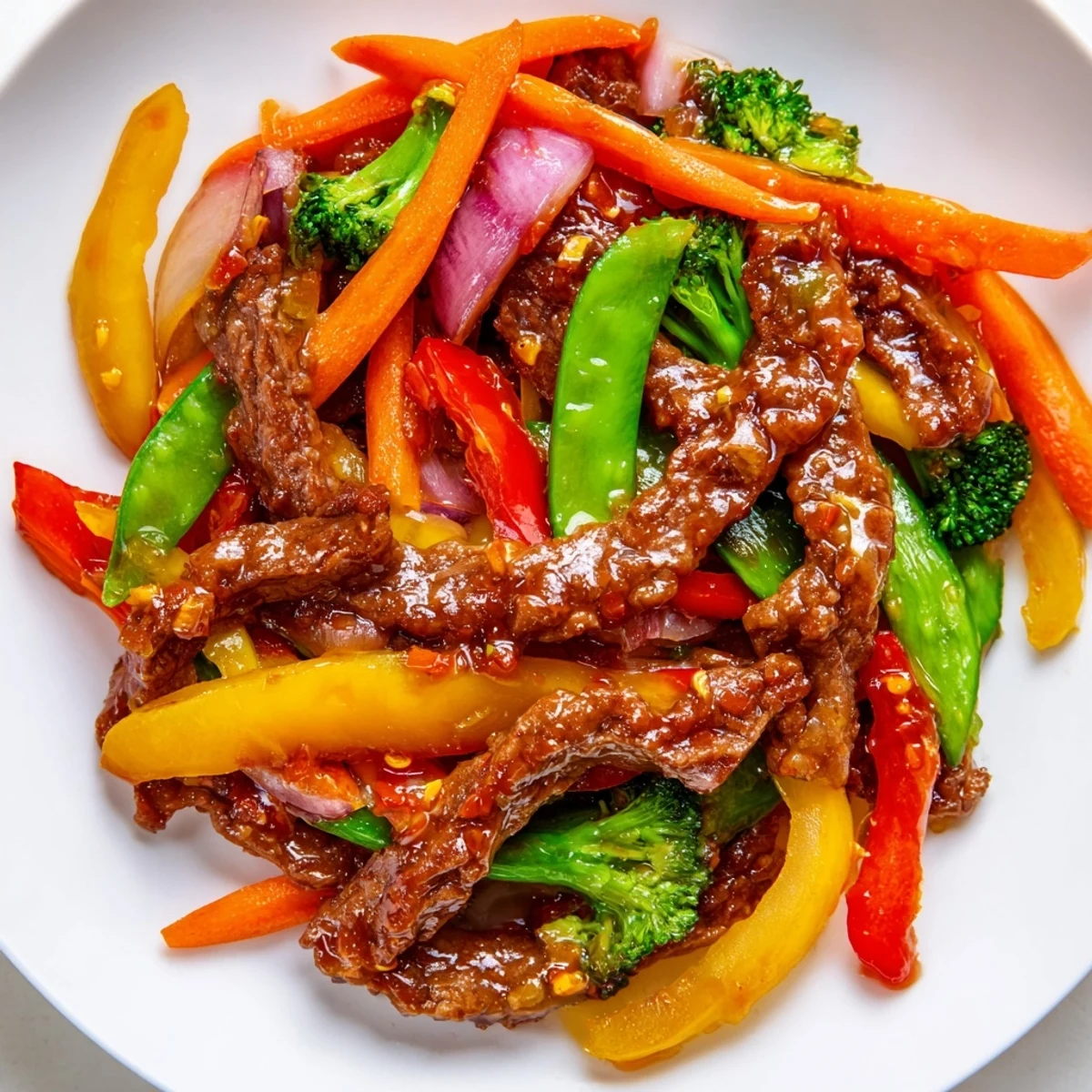
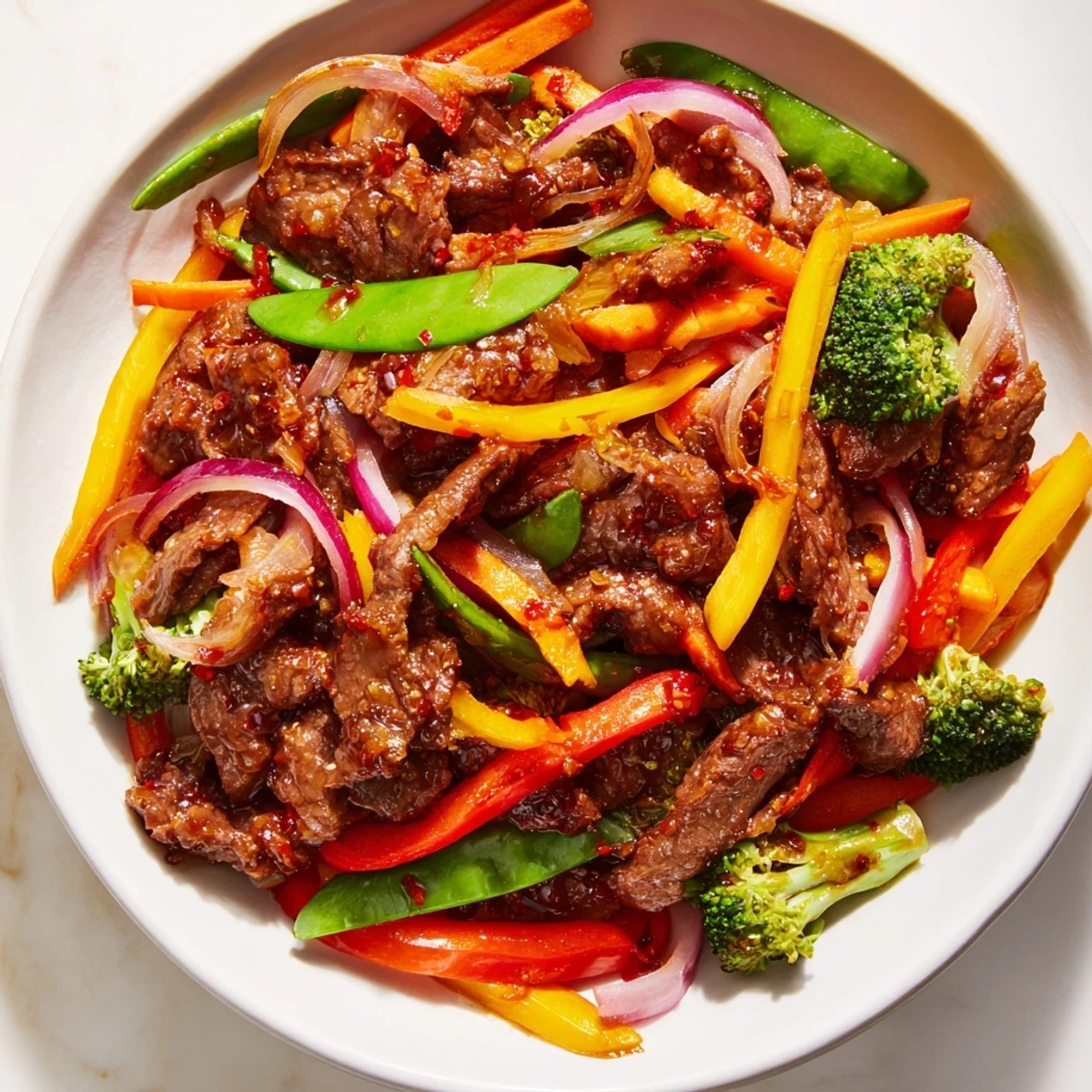
Save This vibrant stir fry features tender slices of beef mixed with crisp bell peppers, broccoli, snap peas, carrot, and onion. A bold sauce made with soy, oyster, chili garlic, and rice vinegar brings a perfect balance of heat and umami. Quick to prepare and cook, it's ideal for a satisfying weeknight meal and can be served with steamed rice or noodles. Spice levels can be adjusted, and protein can vary to suit preferences.
The first time I smelled ginger and garlic hitting hot oil in a wok, I was standing in my neighbor's cramped kitchen watching her rescue a Tuesday night with whatever was wilting in her vegetable drawer. She moved like she was conducting music, not cooking dinner, and I remember thinking that kind of confidence came from repetition and failure and the stubborn refusal to order takeout. That evening became my template for what a proper stir fry should feel like: slightly chaotic, deeply aromatic, and finished before anyone could ask what was for dinner.
I made this for my sister after she moved into her first apartment with a stove that only had two working burners and a wok she'd found at a garage sale. The beef marinated on the counter, the vegetables waited in neat piles, and we talked about her new job while the kitchen filled with steam and the sound of metal on metal. She still texts me photos when she makes it, usually captioned with some variation of survived another Monday.
Ingredients
- Beef sirloin or flank steak: Slice against the grain while the meat is still slightly cold from the refrigerator, this gives you clean cuts instead of ragged shreds.
- Cornstarch: Creates that velvety coating that helps the sauce adhere and protects the meat from overcooking.
- Sesame oil: A small amount in the marinade builds foundation flavor that carries through the high heat cooking.
- Bell peppers and carrot: Cut to similar sizes so they cook at the same rate, no one wants mushy peppers and crunchy carrots.
- Fresh ginger and garlic: The aromatics that separate a real stir fry from a sad sauté, grate the ginger on a microplane for maximum surface area.
- Chili garlic sauce: Start with less than you think, you can always add heat but you cannot subtract it once it is in the wok.
- Oyster sauce: Provides that elusive savory depth that makes restaurant stir fries taste like restaurant stir fries.
Instructions
- Marinate the beef:
- Toss the sliced beef with cornstarch, soy sauce, and sesame oil until every piece is evenly coated. Let it rest while you prep the vegetables, the brief wait transforms the texture completely.
- Mix your sauce:
- Whisk all sauce ingredients together in a small bowl until the sugar dissolves, taste it now and adjust the heat to your preference.
- Sear the beef:
- Heat your wok until it barely smokes, then add the beef in a single layer. Let it sit for a moment before stirring so it browns rather than boils in its own juices.
- Build the vegetable base:
- Add more oil if needed, then toss in garlic, ginger, and onion until your kitchen smells like somewhere you want to be.
- Crisp-tender vegetables:
- Add the remaining vegetables and keep them moving, you are looking for bright colors and a slight resistance when you bite.
- Bring it together:
- Return the beef to the pan, pour the sauce down the sides of the wok, and toss everything until the sauce thickens and coats like glossy paint.
 Save
Save Last winter I made this for friends who had driven through three hours of rain to reach my apartment, and we stood around the stove picking pieces of beef straight from the wok while the rice finished steaming. The conversation wandered and the food disappeared in stages, and I realized that some dishes are meant to be eaten standing up in a warm kitchen with people you do not see often enough.
What Your Wok Is Telling You
The sound of cooking is your most reliable thermometer. A vigorous sizzle means you are at the right temperature, a quiet hiss means you have lost the heat battle and should pause to let the pan recover. Trust your ears before your eyes.
The Case for Mise en Place
Stir frying moves too fast for chopping as you go. Arrange your ingredients in the order they enter the pan, then you can cook without breaking rhythm or burning garlic while you hunt for the oyster sauce.
Making It Your Own
Once you understand the rhythm of this recipe, the specific ingredients become suggestions rather than rules. The technique remains constant even as the contents shift.
- Swap vegetables based on what looks fresh at the market or what is threatening to expire in your drawer.
- Double the sauce ingredients and freeze half for an even faster meal next week.
- Toast your sesame seeds in a dry pan before garnishing, the difference is worth the extra two minutes.
 Save
Save however your week has unfolded, this is the kind of dinner that reminds you cooking can be both practical and worth slowing down for. Make it once and it will become yours.
Your Recipe Questions Answered
- → What cuts of beef work best for this stir fry?
-
Thinly sliced sirloin or flank steak are ideal to ensure tenderness and quick cooking.
- → How can I adjust the spice level?
-
Modify the amount of chili garlic sauce or add sliced fresh chili to increase heat as desired.
- → Which vegetables complement this dish?
-
Bell peppers, broccoli, snap peas, carrots, and red onion provide crisp texture and vibrant flavors.
- → Can I substitute oyster sauce for dietary needs?
-
Yes, a vegetarian oyster sauce alternative can be used to avoid shellfish allergens.
- → What sides pair well with this stir fry?
-
Steamed jasmine rice or soba noodles complement the dish and soak up the flavorful sauce.
- → Is marinating the beef necessary?
-
Marinating in soy sauce, cornstarch, and sesame oil helps tenderize and enhance the beef's flavor.