
 Save
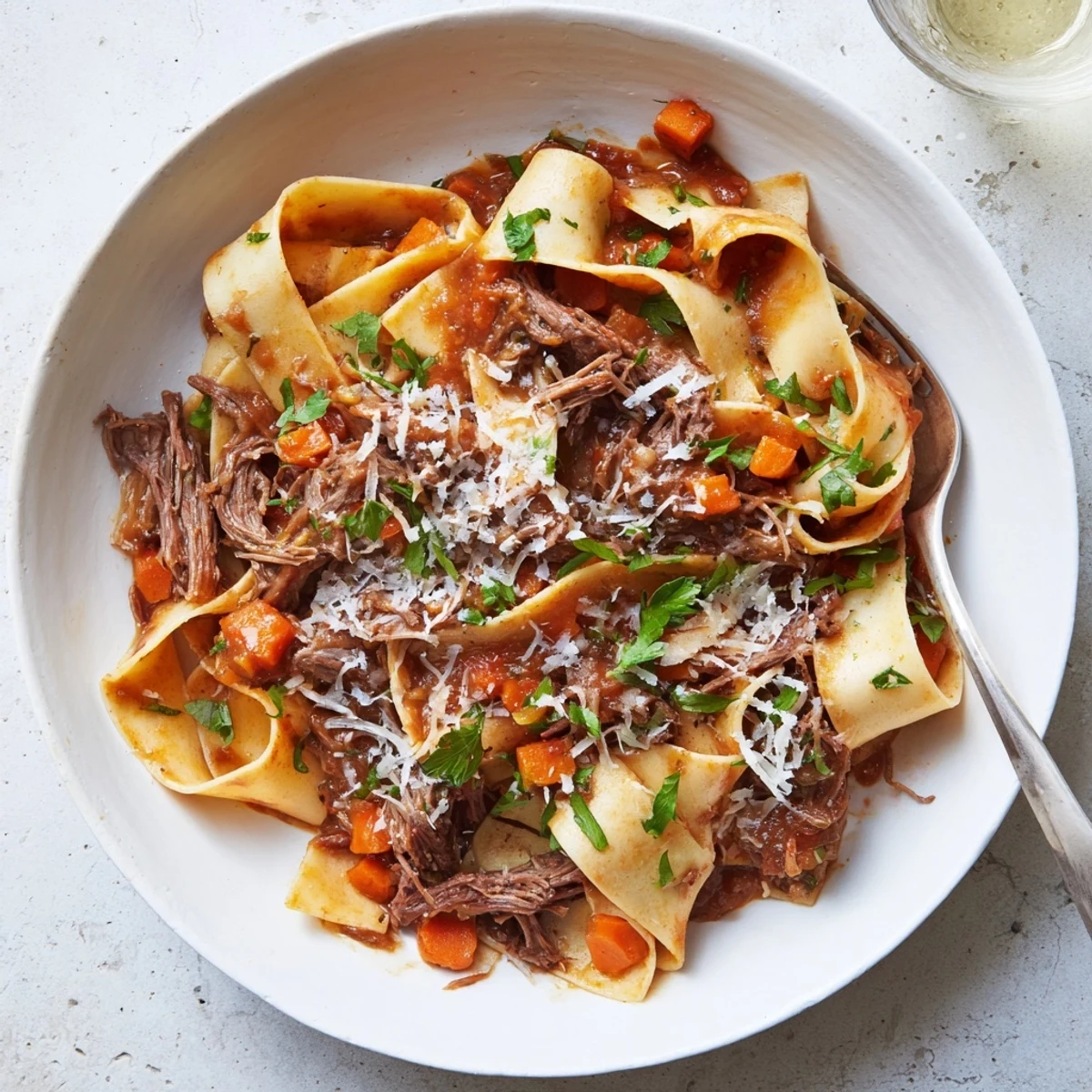
Save This Italian-inspired ragu transforms tough lamb shoulder into melt-in-your-mouth tenderness through slow braising. The meat simmers gently for nearly three hours in a savory tomato and red wine sauce, building deep, concentrated flavor. Aromatic vegetables, fresh herbs, and a splash of wine create the classic soffritto base that gives this dish its distinctive taste.
Wide ribbons of pappardelle pasta provide the perfect canvas for catching the thick, meaty sauce. The finished dish delivers comfort and sophistication in every bite, with the tender lamb contrasting beautifully against the al dente pasta. Fresh Parmigiano-Reggiano adds a salty, nutty finish that ties everything together.
The first time I made lamb ragu, it was supposed to be a quick Tuesday dinner, but the smell of that wine-infused sauce bubbling away made me abandon all plans of rushing. Three hours later, I was pulling tender shreds of lamb apart with two forks, knowing this wasn't just dinner anymore—it was a Sunday supper masquerading as a weeknight meal. My roommate wandered into the kitchen three separate times, each time asking if it was ready yet. The house smelled like an Italian grandmother had moved in and taken over the stove.
I served this for my parents anniversary dinner last fall, timing everything wrong and sweating over the stove until my mother gently pointed out that ragu actually tastes better if you make it the day before. The next evening, reheated and even more flavorful than before, it was the kind of meal where conversation keeps pausing because everyone is too busy eating to talk. My father, who usually finishes meals in ten minutes flat, sat there sopping up sauce with bread for twenty minutes after his pasta was gone.
Ingredients
- 2 lbs lamb shoulder: The shoulder has enough fat and connective tissue to break down beautifully during long cooking, becoming silky rather than tough
- Salt and pepper: Generous seasoning here is crucial since the lamb will be the star of the show
- Olive oil: Needed for proper searing—dont skip this step or youll miss out on all those flavorful browned bits
- Onion, carrots, celery: This classic soffritto base builds the aromatic foundation that makes the sauce taste professionally made
- Garlic: Add it after the vegetables have softened so it does not burn and turn bitter
- Fresh rosemary and thyme: Woody herbs hold up better than delicate ones during long simmering times
- Dry red wine: Choose something you would actually drink—cheap wine makes cheap-tasting sauce
- Crushed tomatoes: Whole tomatoes crushed by hand give a more rustic texture than perfectly smooth puree
- Beef or chicken broth: Low-sodium is key here since you will be reducing the liquid and concentrating flavors
- Pappardelle pasta: These wide noodles stand up to hearty sauces better than spaghetti or angel hair
- Parmigiano-Reggiano: The real stuff makes a difference—grab a wedge and grate it yourself for the best flavor
Instructions
- Season and prepare the lamb:
- Pat the pieces completely dry with paper towels—wet meat will steam instead of sear. Season generously with salt and pepper on all sides.
- Sear the lamb:
- Heat olive oil in your Dutch oven until it shimmers. Brown the lamb in batches without crowding the pot, getting a deep golden crust on all sides. Set aside on a plate.
- Build the base:
- Add onion, carrots, and celery to the same pot. Cook until softened and fragrant, about 8 minutes. Add garlic for just 1 minute until it becomes aromatic.
- Deglaze and simmer:
- Return lamb to the pot along with rosemary, thyme, and bay leaf. Pour in the wine, scraping up any browned bits from the bottom. Let it bubble for 2–3 minutes.
- Add liquids and slow cook:
- Stir in crushed tomatoes and broth. Bring to a gentle simmer, then cover and reduce heat to low. Let it cook slowly for 2½ to 3 hours.
- Shred and adjust:
- Remove the woody herb stems. Use two forks to pull the lamb apart into bite-sized shreds right in the sauce. Taste and add more salt or pepper if needed.
- Cook the pasta:
- About 20 minutes before the ragu is done, drop pappardelle into salted boiling water. Cook until al dente, usually 1–2 minutes less than package directions.
- Bring it all together:
- Reserve some pasta water before draining. Toss the hot pasta directly into the ragu, adding splashes of pasta water until the sauce coats each ribbon beautifully.
 Save
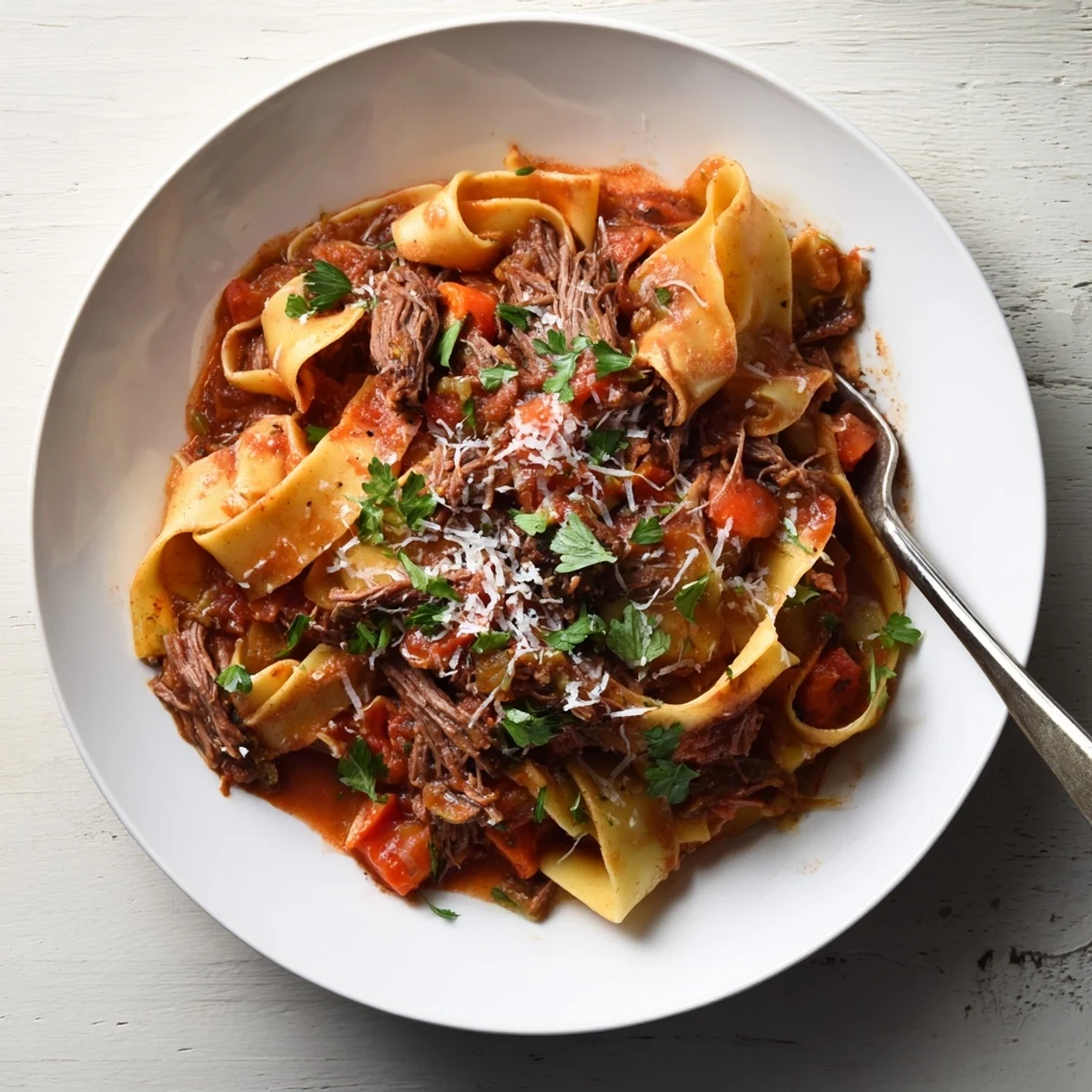
Save This has become my go-to for dinner parties because it is almost entirely hands-off once the initial prep is done. There is something deeply satisfying about a meal that mostly takes care of itself while you pour wine for your guests and set the table.
Making It Ahead
I always cook the ragu at least one day before serving, letting it cool completely before refrigerating overnight. The flavors develop and deepen in a way that cannot be rushed, and the fat renders down even more as it sits. Reheat it gently over low heat while you boil the pasta.
Choosing The Wine
A Chianti Classico brings the right acidity and earthiness to cut through the rich lamb, but any full-bodied Italian red will work beautifully. Whatever wine you choose to cook with, pour yourself a glass—the cook deserves a drink too.
Pasta Perfect
Always finish cooking the pasta directly in the sauce for that restaurant-quality cling. The starch from the pasta water emulsifies with the sauce, creating that silky, glossy coating you want.
- Save a full cup of pasta water—you might need more than you think
- Add the water a little at a time while tossing to avoid thinning the sauce too much
- The sauce should coat each noodle, not pool in the bottom of the bowl
 Save
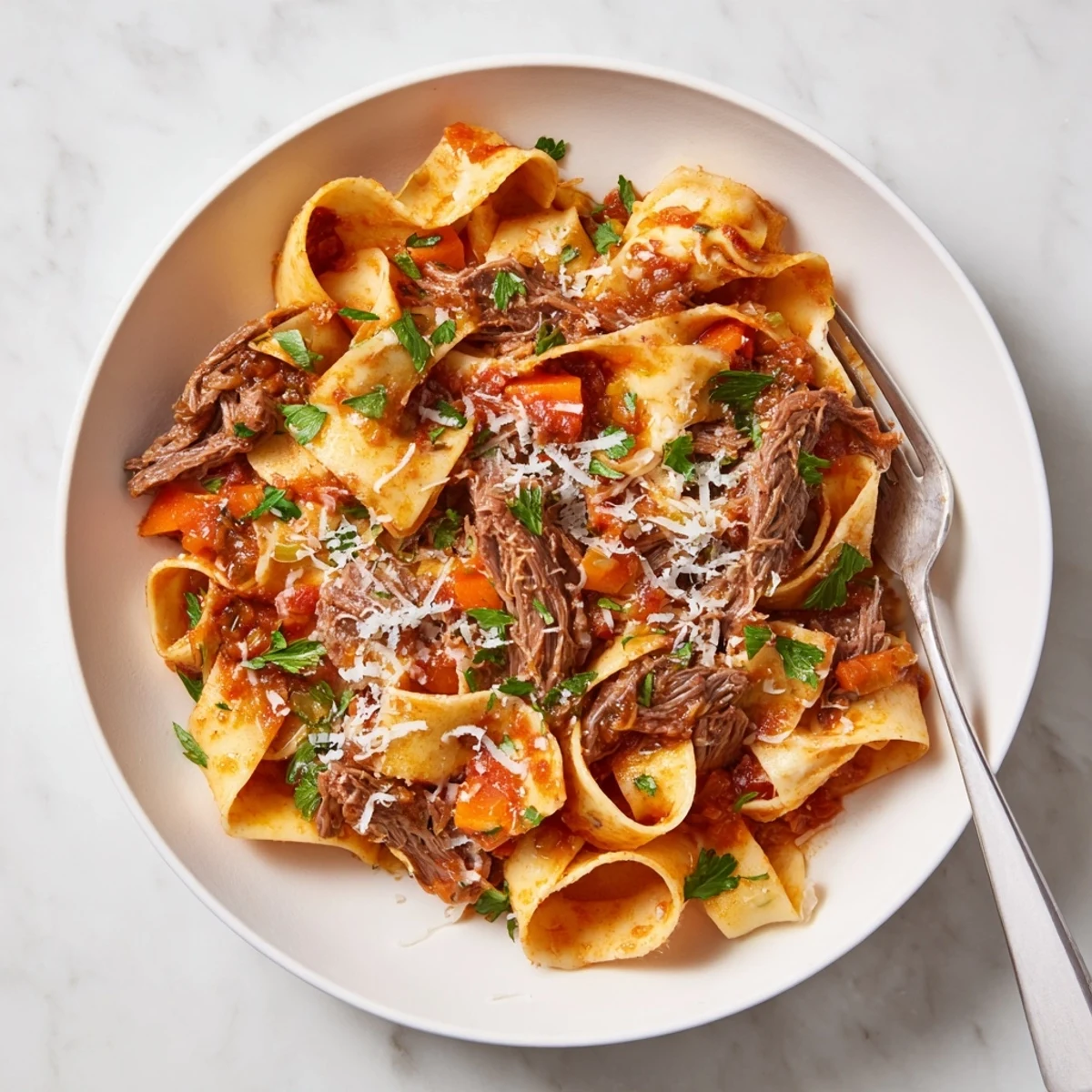
Save There is quiet magic in a dish that transforms simple ingredients into something this extraordinary. Ragus humble nature—just meat, vegetables, and time—makes it all the more rewarding when you finally sit down to eat.
Your Recipe Questions Answered
- → What cut of lamb works best for ragu?
-
Lamb shoulder is ideal because it contains plenty of connective tissue that breaks down during slow cooking, creating tender, succulent meat and a naturally thick sauce. The marbling ensures the meat stays moist throughout hours of braising.
- → Can I make the ragu ahead of time?
-
Absolutely. In fact, the flavors develop even better when made a day ahead. Let the ragu cool completely, refrigerate, and reheat gently before tossing with freshly cooked pasta. The sauce will continue to thicken and the flavors will meld beautifully.
- → What pasta substitutes work well?
-
Tagliatelle, fettuccine, or wide egg noodles make excellent alternatives. The key is choosing a pasta shape with enough surface area to hold the hearty meat sauce. Even short ribbons like mafaldine or thick spaghetti can work in a pinch.
- → Why is red wine important in this dish?
-
Red wine adds acidity and tannins that help break down the meat's connective tissue while contributing depth and complexity to the sauce. As it simmers, the alcohol evaporates, leaving behind subtle fruity notes and a rich, glossy body.
- → How do I know when the lamb is properly tender?
-
The lamb should shred easily with two forks and practically fall apart without much resistance. The sauce will have thickened considerably and taken on a deep, rich color. This typically takes 2½ to 3 hours of gentle simmering.