
 Save
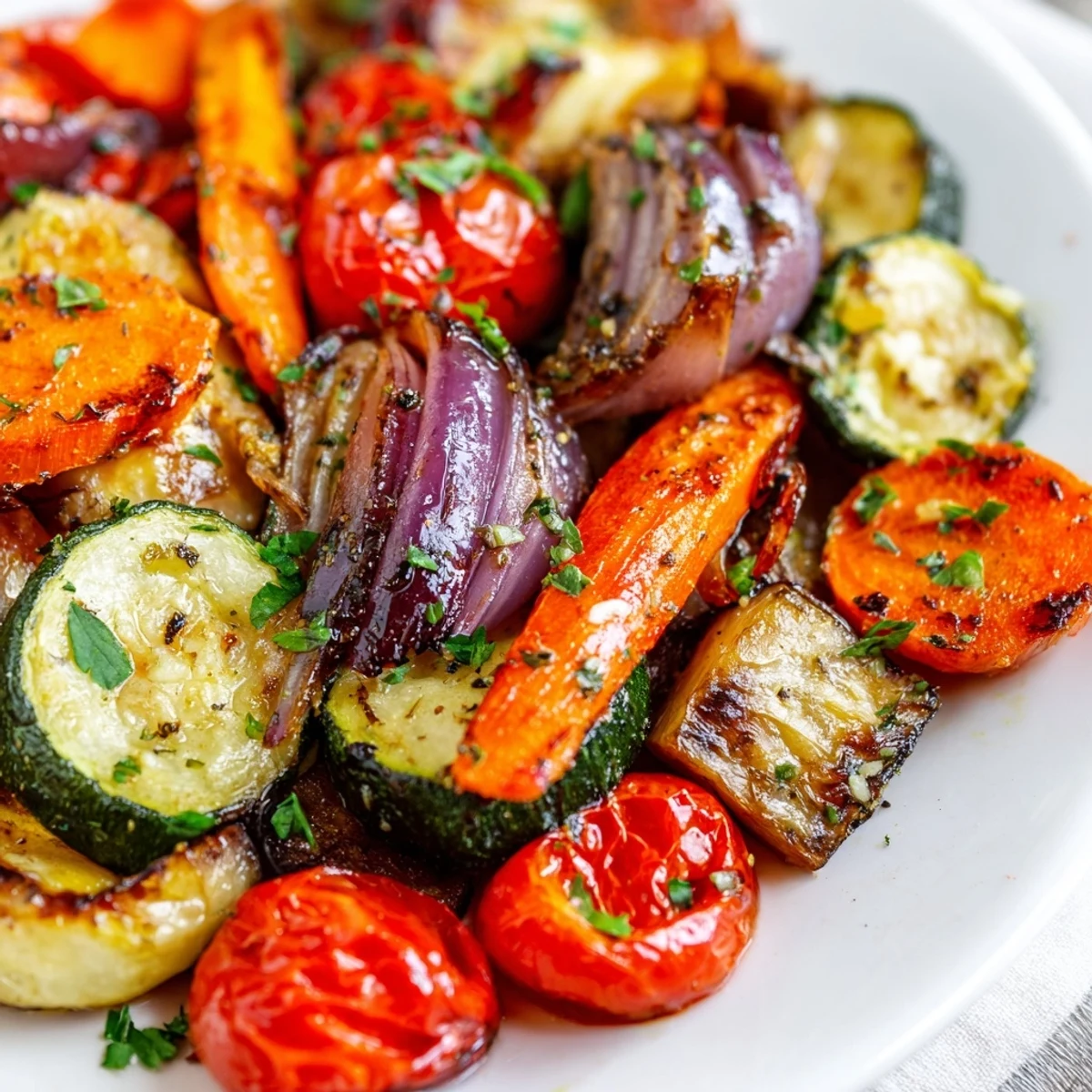
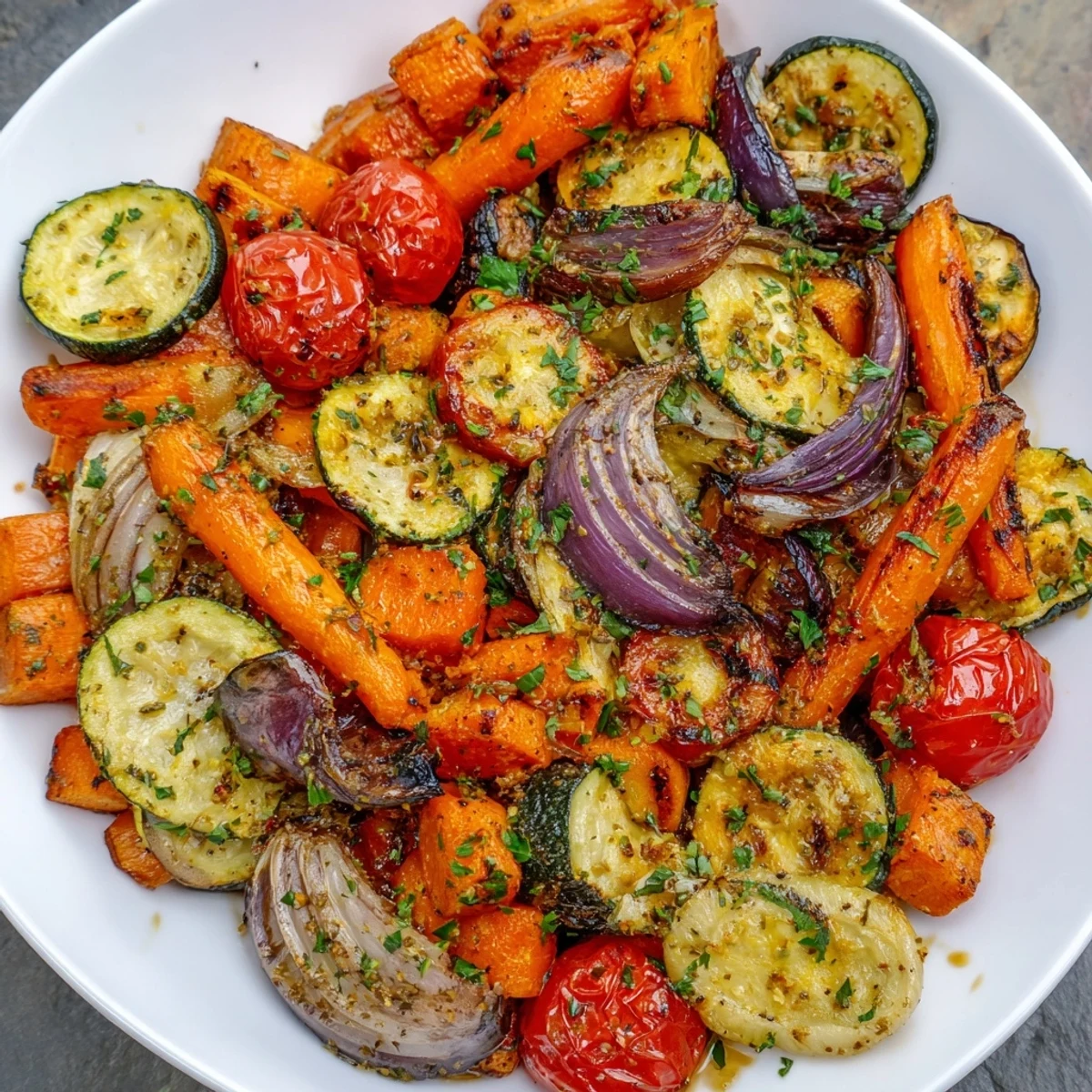
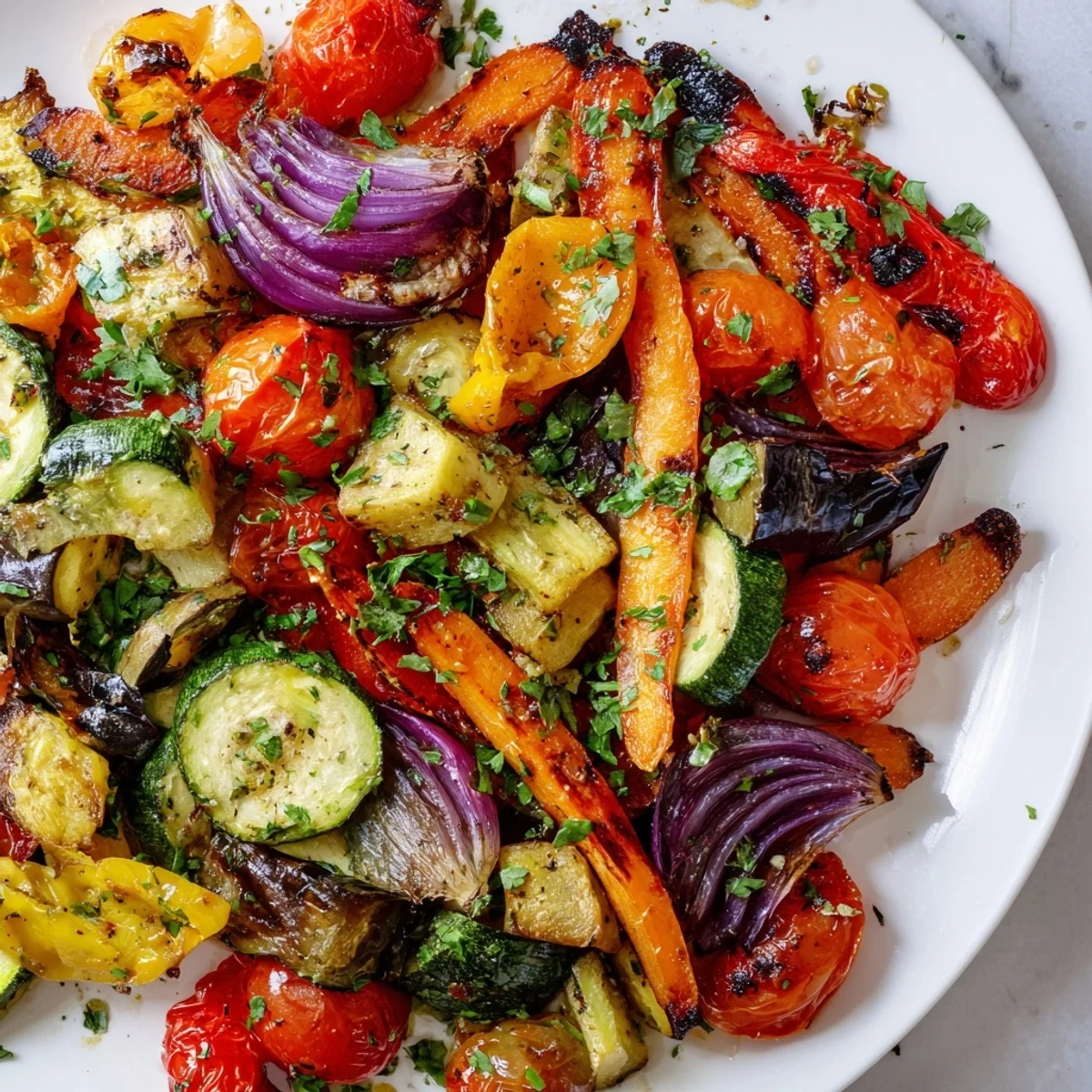
Save This vibrant medley features a mix of fresh carrots, bell peppers, zucchini, red onion, cherry tomatoes, and eggplant, drizzled with olive oil and seasoned with sea salt, black pepper, garlic, and Italian herbs. Roasting intensifies the natural sweetness and enhances the flavors of the vegetables, creating a tender and golden dish. A splash of balsamic vinegar and fresh parsley finish the plate, perfect as a wholesome side or light vegetarian option. The flexible ingredient list allows seasonal substitutions and pairing with grains or meats.
There's something magical about the moment when raw vegetables hit a hot oven and the kitchen fills with that caramelized, toasted aroma. I discovered the power of roasted vegetables almost by accident—I'd thrown together whatever was in my crisper drawer one evening, tossed it with oil and herbs, and what emerged was so vibrant and naturally sweet that my skeptical dinner guests went back for seconds. Now it's become my go-to when I want something that tastes like I've spent hours cooking but actually took barely any effort at all.
I remember making this for my parents' anniversary dinner last spring, and my dad—who claims he doesn't really eat vegetables—came back to the kitchen asking for the recipe. He kept reaching for another forkful, completely unselfconscious about it, and that's when I knew this dish had quietly crossed over from healthy obligation to genuinely crave-worthy.
Ingredients
- Carrots: Two medium ones, peeled and sliced into rounds or half-moons—the slices should be about a quarter-inch thick so they roast evenly.
- Red and yellow bell peppers: Cut into roughly one-inch pieces, and don't stress too much about making them perfect; uneven sizes just means some bits get crispier than others, which is honestly the best part.
- Zucchini: One medium one, sliced into half-moons about a half-inch thick—too thin and they'll disappear into the pan, too thick and they won't get tender.
- Red onion: Cut into wedges rather than dice, so the layers stay mostly together and turn jammy and mild as they roast.
- Cherry tomatoes: Seven ounces halved, and yes, you'll lose some juice, but that becomes a concentrated sauce at the bottom of the pan.
- Eggplant: One small one, cut into one-inch cubes—if it's a massive eggplant, scoop out some of the seeds first to keep it from getting waterlogged.
- Olive oil: Three tablespoons, good enough to drink but not your most precious bottle; this is where mid-range shine.
- Sea salt and black pepper: One teaspoon and half a teaspoon respectively—taste as you go because you can always add more but you can't take it back.
- Dried Italian herbs: A teaspoon of the blend, or mix your own thyme, oregano, and rosemary if you have them in your cabinet.
- Garlic cloves: Two, minced fine so they don't burn but get sweet and toasty.
- Fresh parsley and balsamic vinegar: Both optional but genuinely worth having on hand—the parsley adds brightness and the vinegar adds a gentle tang that makes everything taste more like itself.
Instructions
- Heat your oven and prep your pan:
- Get your oven to 220°C (425°F) and line a large baking sheet with parchment paper—this stops sticking and makes cleanup almost nothing. A hot oven is your friend here; you want enough heat to caramelize the vegetables, not just soften them.
- Combine and dress the vegetables:
- Throw all your prepped vegetables into a large bowl, then drizzle with olive oil and scatter the salt, pepper, herbs, and minced garlic over the top. Toss everything together with your hands or a spatula until every piece glistens with oil and the seasonings are evenly distributed—this is where the magic begins.
- Spread and roast:
- Tip the vegetables onto your prepared baking sheet in a single layer, spreading them out so they have room to breathe. If they're crowded, they'll steam instead of roast, so resist the urge to pile them up. Roast for thirty to thirty-five minutes, stirring once halfway through, until the edges are golden and caramelized and the vegetables are tender when you poke them with a fork.
- Finish and serve:
- Pull the pan out of the oven—watch for that moment when the kitchen smells almost too good to be true—and drizzle with balsamic vinegar if you're using it. Scatter fresh parsley over the top for color and a bright flavor note, then serve warm, at room temperature, or even cold the next day.
 Save
Save There was an evening when I made this for my best friend who'd just announced she was going vegetarian, and I remember her face when she tasted it—she seemed genuinely relieved that eating less meat didn't mean eating less flavor. That moment stuck with me, and now every time I make this, it reminds me that good food is about abundance, not sacrifice.
Seasonal Variations That Work
The beauty of this recipe is how it shifts with the seasons without losing its soul. In late summer, I load it with zucchini and tomatoes; in fall, I swap in cubed sweet potatoes and Brussels sprouts that get almost nutty at the edges; in spring, I add thin asparagus spears and smaller onions. Winter is when I reach for hardy root vegetables—parsnips, celery root, even beets if I'm feeling adventurous. The vegetables do the heavy lifting, so trust what's fresh at your market.
Ways to Transform the Leftovers
If you've made more than you need (or you made it on purpose), these roasted vegetables are genuinely better the second day when the flavors have melded. Toss them into pasta with a splash of cream or good olive oil, pile them onto grain bowls with feta and a squeeze of lemon, or stuff them into wraps with hummus. They're also secretly perfect eaten straight from the fridge as a cool salad on a warm afternoon.
The Simple Art of Layering Flavor
What makes this recipe feel like more than the sum of its parts is how the roasting concentrates the natural sweetness in each vegetable and then the herbs and garlic bind it all together into something cohesive. The optional balsamic at the end acts like punctuation—it doesn't overwhelm but it deepens every flavor that came before it. This is how simple food becomes memorable: by respecting the ingredients and giving them space to shine.
- Taste everything before it goes in the oven, and again before serving, because seasoning is rarely a one-step process.
- If you love crispy edges, spread your vegetables out generously rather than crowding the pan.
- Leftovers keep in the fridge for four days, and they're genuinely delicious cold, which is its own kind of gift.
 Save
Save This dish has taught me that some of the best meals come together not from exhausting technique but from choosing good ingredients and letting them do what they naturally want to do. It's been on my table for everything from casual weeknight dinners to meals I've served to people who matter, and it never disappoints.
Your Recipe Questions Answered
- → What vegetables are best for roasting in this medley?
-
- → How do I ensure even roasting of the vegetables?
-
- → Can I substitute other vegetables for this dish?
-
- → What seasonings enhance the natural flavors in this medley?
-
- → Is it necessary to add balsamic vinegar and parsley?
-