
 Save
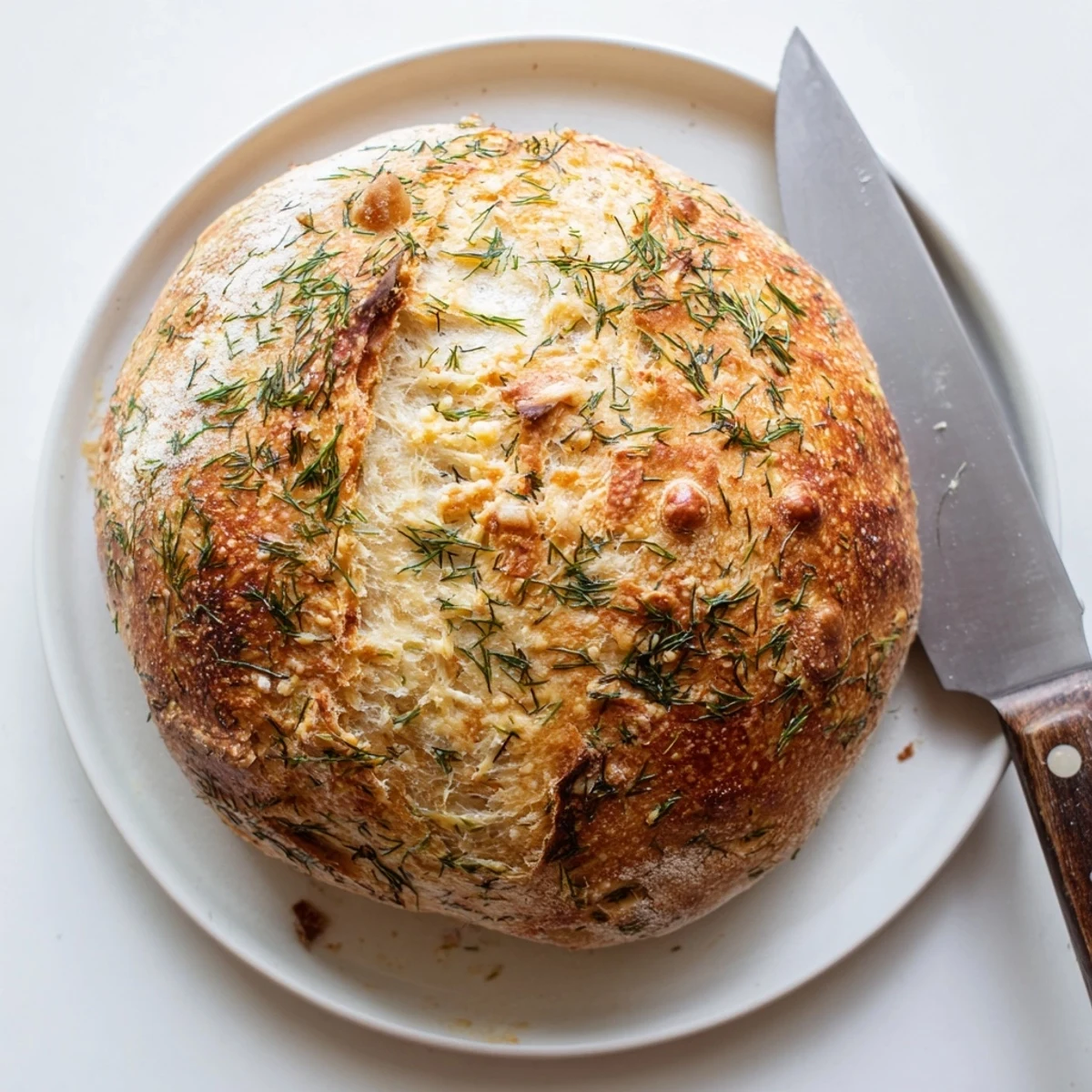
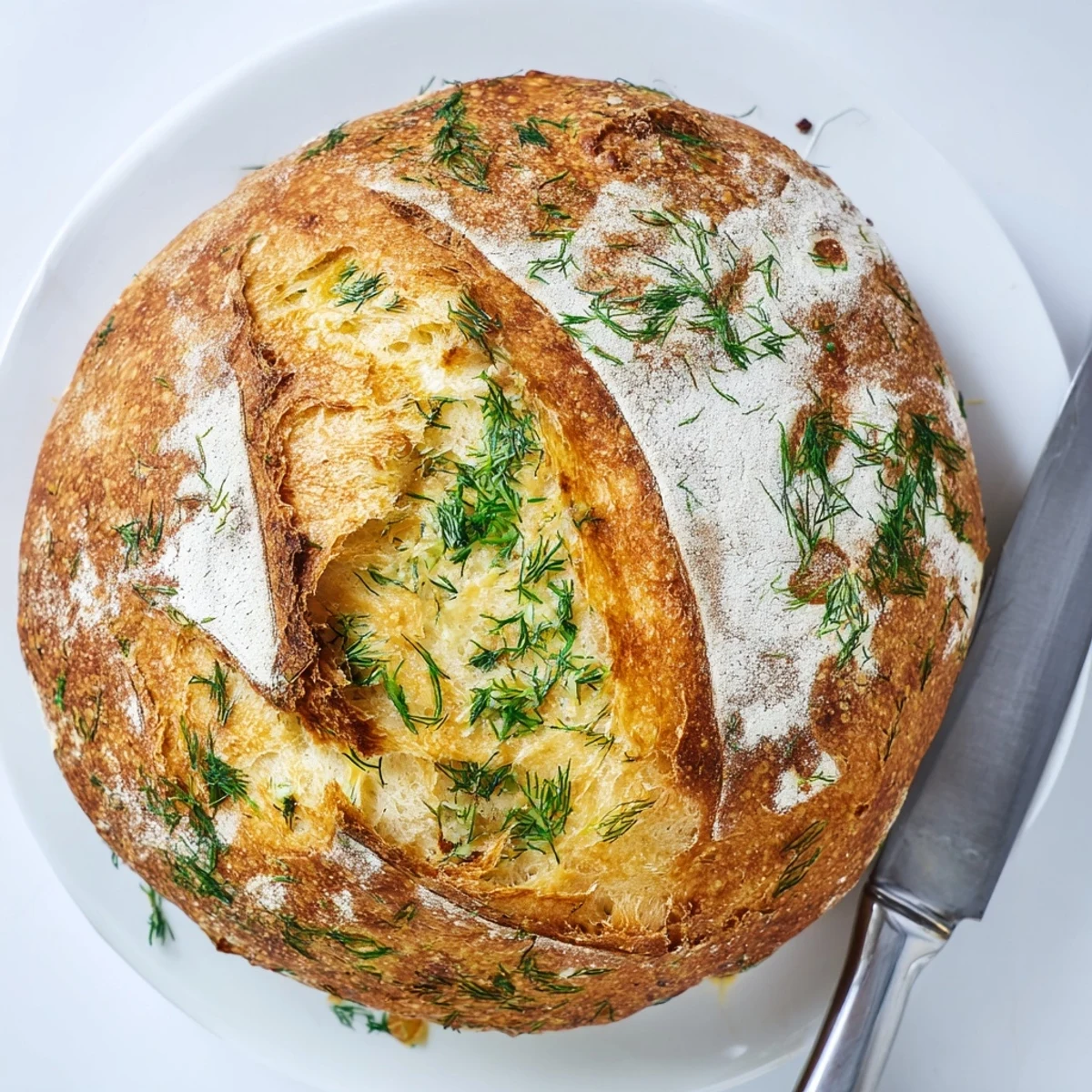
Save Craft a stunning European-style loaf with minimal effort using this no-knead technique. The dough develops deep flavors during an overnight rise, while fresh dill and coarsely grated Gouda create aromatic pockets throughout. Baked in a preheated Dutch oven, the exterior transforms into a shatteringly crisp crust that protects a tender, chewy interior. The finished loaf delivers rich umami notes from the cheese, bright herbal freshness from dill, and subtle warmth from optional black pepper.
Ideal alongside hearty soups, toasted for breakfast, or used as sandwich bread. The overnight fermentation makes it exceptionally digestible, while the high hydration ensures an open crumb structure. Slice thick and enjoy with herbed butter or smoked salmon for an elevated experience.
The first time I made this bread, my kitchen smelled like an herb garden and a cheese shop had a beautiful accident. I'd been experimenting with no-knead recipes for months, but adding fresh dill and Gouda felt like discovering a secret combination I should have known all along. My roommate wandered in, following the scent, and asked what bakery I'd visited. That moment of pulling apart the warm, cheesy loaf together turned it into our weekend ritual.
Last winter, I brought this loaf to a soup night where conversation was flowing as freely as the wine. Someone mentioned they'd never liked dill until that bite, and suddenly everyone was debating cheese variations and sharing their grandmother's bread stories. Food does that sometimes, doesnt it? It creates these little bridges between strangers over something as simple as warm bread and butter.
Ingredients
- Bread flour: The higher protein content creates that beautiful structure and chewy crumb we're after, and it's worth seeking out
- Salt: Don't be tempted to reduce this, as it balances the rich cheese and bright dill perfectly
- Instant yeast: This variety dissolves beautifully into the dough without needing proofing first
- Gouda cheese: A young Gouda melts into creamy pockets while adding subtle caramel sweetness that complements the herbs
- Fresh dill: The feathery fronds release their aromatic oils throughout the long rise, creating those fragrant green streaks
- Cracked black pepper: Just enough to whisper warmth in the background without competing with the dill
- Lukewarm water: Think bathwater temperature, activating the yeast without killing it
Instructions
- Blend your dry base:
- In a large bowl, whisk together flour, salt, and yeast until they're one happy family
- Add the magic:
- Fold in the grated Gouda, chopped dill, and pepper until the cheese is evenly distributed throughout the flour mixture
- Create the dough:
- Pour in the water and stir with a spatula until you have a shaggy, sticky mess that looks slightly concerning but is exactly right
- Let time work:
- Cover tightly and walk away for 12 to 18 hours, letting the yeast do its beautiful, slow work
- Shape your loaf:
- Turn the bubbly dough onto a floured surface and gently coax it into a round, using flour to prevent sticking without deflating those precious air pockets
- Prepare for the oven:
- Place the dough seam-side down on parchment, cover loosely, and rest while your oven heats with the Dutch oven inside
- Create the steam:
- Carefully transfer the parchment and dough into the screaming-hot Dutch oven and score the top with confidence
- Bake covered:
- Cook with the lid on for 30 minutes to trap steam and create that spectacular crust
- Finish with glory:
- Remove the lid and bake another 15 to 20 minutes until the loaf turns a deep golden brown and sounds hollow when tapped
 Save
Save There's something almost meditative about the long rise of this bread. I've started it on Friday evenings, letting it work while I sleep, and Saturday morning becomes this event of anticipation. The smell that fills the house during baking is worth the overnight wait alone, honestly.
Choosing Your Cheese
While Gouda is absolutely perfect here, I've found that aged cheddar creates a sharper, more assertive flavor that some people prefer. Emmental adds those gorgeous stringy cheese pulls and a milder taste that lets the dill really shine. Whatever cheese you choose, grate it coarsely rather than finely so you get distinct pockets of melted goodness throughout the crumb.
Herb Variations
Fresh dill is absolutely worth seeking out for this recipe, but in a pinch, dried dill works if you reduce the amount slightly. I've also experimented with adding fresh chives or a tablespoon of everything bagel seasoning for a completely different vibe. Each variation creates a new conversation starter, which is half the fun of homemade bread.
Serving Suggestions
This bread deserves to be the star of whatever meal it accompanies, so serve it simply with good butter and perhaps some flaky salt. It's substantial enough to stand up to hearty soups, but delicate enough that you don't want to overwhelm it with strong competing flavors.
- Try it toasted and topped with soft scrambled eggs for the most luxurious breakfast imaginable
- Leftovers make spectacular grilled cheese sandwiches, though they rarely last that long in my house
- The bread freezes beautifully if well-wrapped, so consider doubling the recipe and stashing one for later
 Save
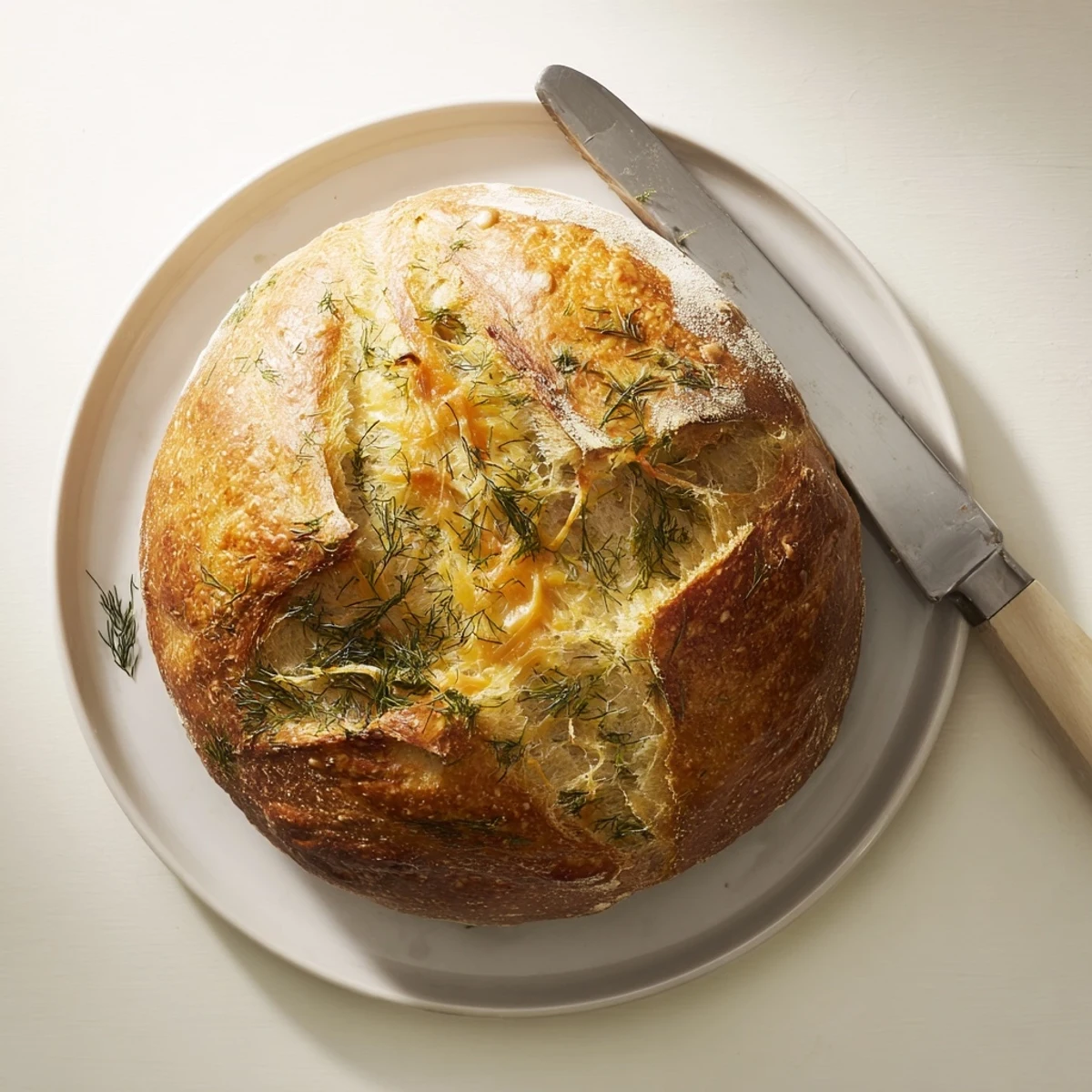
Save Somehow, tearing into this bread with friends always feels like a celebration, even on a random Tuesday evening. Maybe that's exactly what we need more of these days.
Your Recipe Questions Answered
- → What makes this no-knead method work?
-
The extended 12-18 hour fermentation allows gluten strands to develop naturally through hydration and time, eliminating the need for kneading. This creates excellent structure while developing complex flavors.
- → Can I bake this without a Dutch oven?
-
While a Dutch oven creates the best crust, you can use a heavy baking stone or steel with a stainless steel bowl inverted over the loaf to trap steam. Alternatively, place a metal pan on the bottom rack and add ice cubes when baking begins.
- → How should I store the baked loaf?
-
Store at room temperature wrapped in a cloth or paper bag for up to 2 days. For longer storage, slice and freeze in freezer bags, thawing individual slices as needed. Avoid refrigeration as it accelerates staling.
- → Can I use other cheeses besides Gouda?
-
Absolutely. Aged cheddar adds sharpness, Emmental provides nutty sweetness, and Gruyère offers rich complexity. Ensure any substitute is a hard cheese that can be coarsely grated without melting completely.
- → Why is the cooling time so important?
-
The internal temperature continues rising during cooling, completing the cooking process. Cutting too early releases steam, leading to gummy texture and dense crumb. Patience rewards with properly set texture and full flavor development.