
 Save
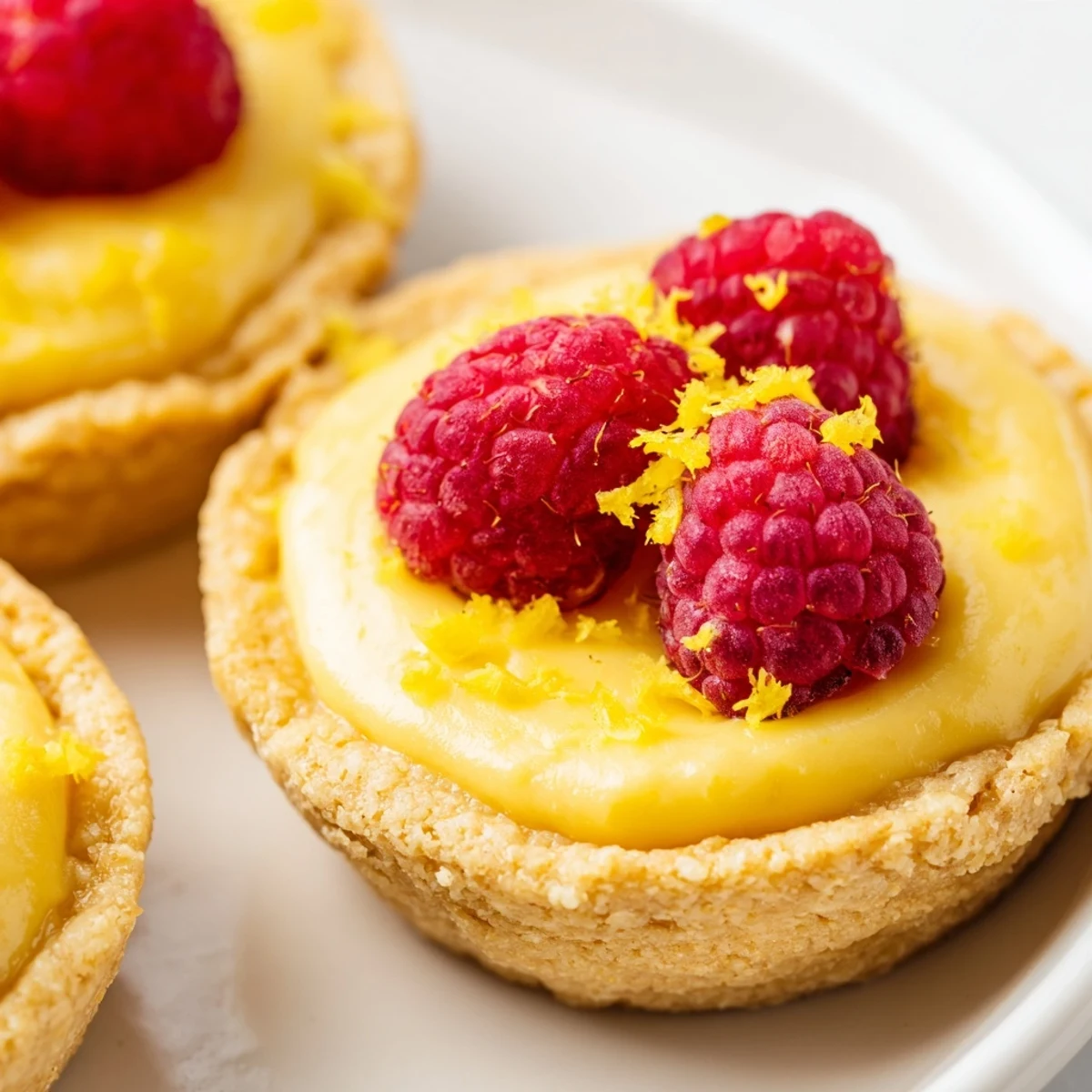
Save These delightful mini tarts feature a buttery almond flour crust pressed into individual portions and filled with a silky coconut-based lemon custard. The filling achieves its vibrant yellow hue naturally from turmeric while delivering an intense citrus punch from fresh lemon juice and zest. After a quick bake for the crust, the creamy custard is stovetop-cooked until thickened, then chilled until set. Perfect for gatherings, these handheld treats balance sweetness and brightness beautifully.
Last summer my sister asked me to bring dessert to her garden party, and I had this idea about tiny lemon tarts that wouldn't require any dairy or eggs. I tested four versions that week, and my kitchen smelled like sunshine through every single attempt.
My brother in law, who's usually skeptical of vegan desserts, ate three of these and genuinely asked what kind of cream I used. That moment of watching someone's eyes light up when they bite into something unexpectedly luscious is exactly why I keep perfecting recipes like this.
Ingredients
- Almond flour: Creates a naturally gluten free crust that bakes up tender and golden, holding its shape beautifully
- Coconut oil: Solid at room temperature which helps the crust stay crisp, and adds a subtle sweetness that pairs perfectly with lemon
- Maple syrup: My go to liquid sweetener for vegan baking because it adds depth without overpowering delicate citrus flavors
- Full fat coconut milk: The secret to rich, creamy custard without any dairy, just make sure to whisk it well before measuring
- Freshly squeezed lemon juice: Bottled juice cannot compare to the bright, complex acidity of fresh lemons
- Cornstarch: Essential for thickening the custard into a sliceable filling that holds its shape
- Turmeric: Just a pinch gives that gorgeous sunny yellow color without artificial dyes
Instructions
- Preheat your pans:
- Get your oven to 175°C and lightly grease 8 mini tart pans or a muffin tin with a little coconut oil
- Make the crust dough:
- Combine almond flour, melted coconut oil, maple syrup, and salt in a bowl until it forms a crumbly mixture that holds together when pressed
- Press and dock:
- Press the dough firmly and evenly into the bottoms and up the sides of your tart pans, then prick the bases with a fork to prevent bubbling
- Bake the shells:
- Bake for 10 to 12 minutes until lightly golden, watching carefully as almond flour can go from perfect to overdone quickly
- Whisk the filling:
- In a saucepan, whisk together coconut milk, lemon juice, zest, maple syrup, cornstarch, turmeric, and salt until completely smooth with no lumps
- Cook to thicken:
- Place over medium heat, whisking constantly without stopping, until the mixture bubbles and thickens into a glossy pudding like consistency
- Cool and fill:
- Let the filling cool for about 10 minutes so it's easier to work with, then pour it into your completely cooled tart shells
- Chill to set:
- Refrigerate for at least 1 hour until the filling is completely firm and set
- Garnish and serve:
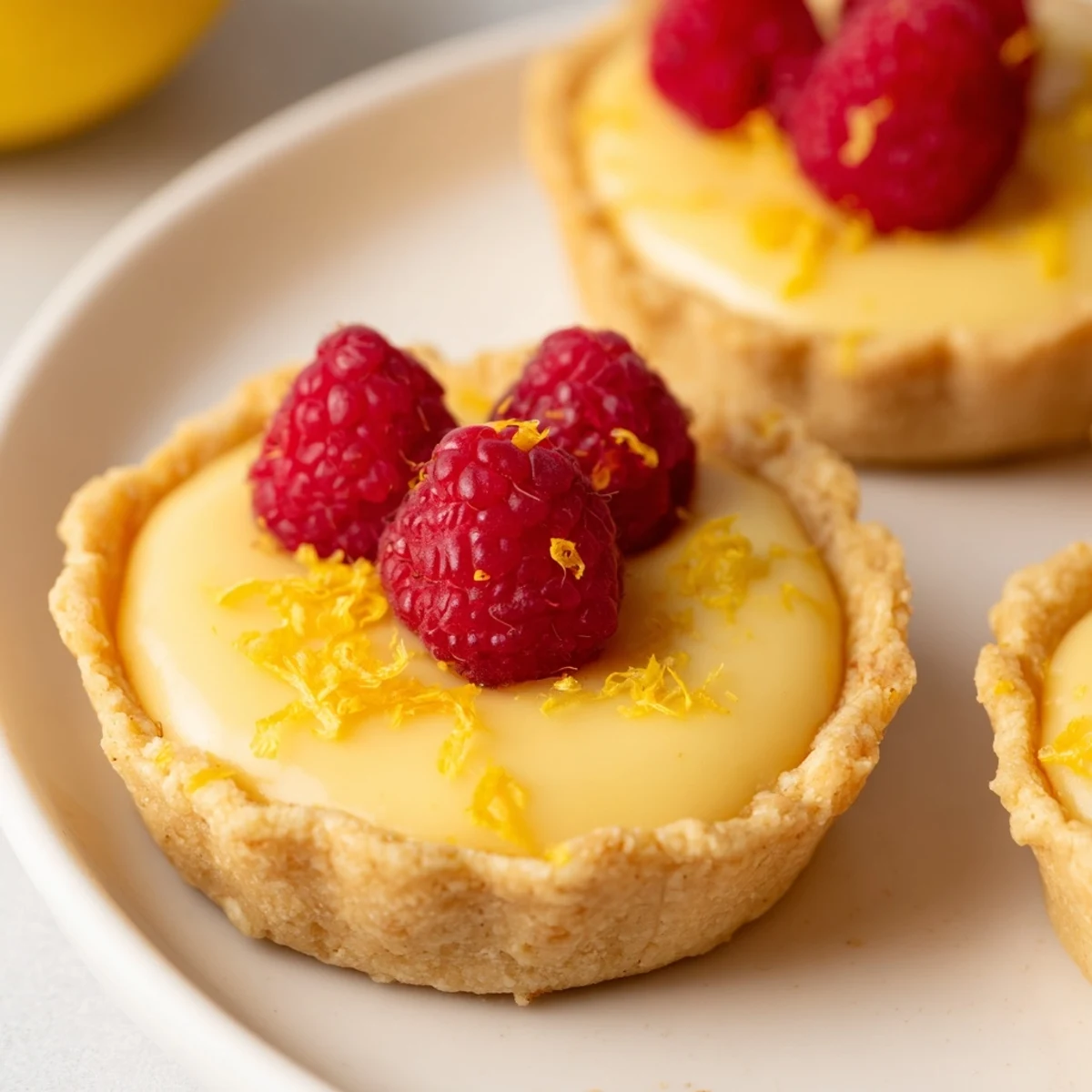
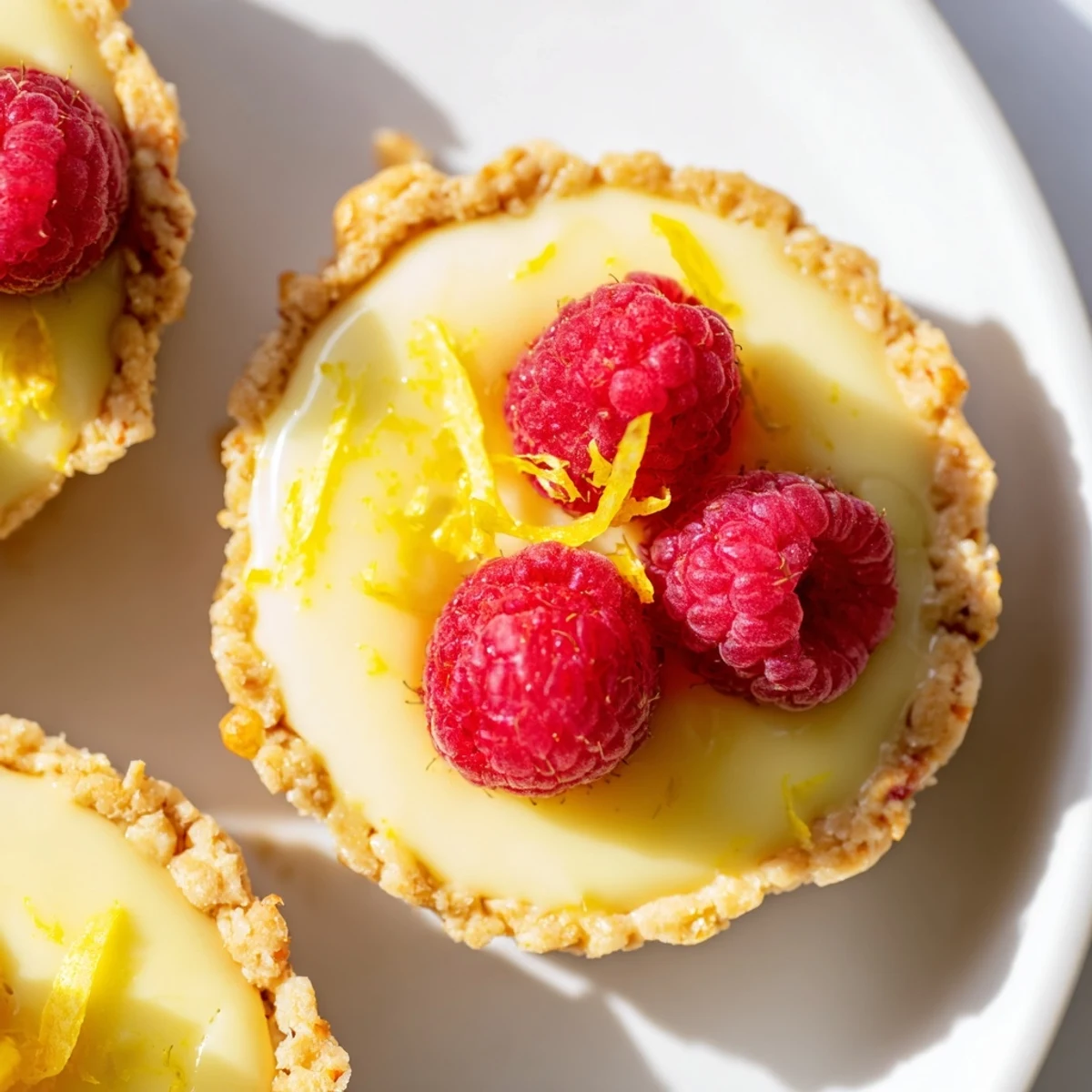
- Top with fresh berries, delicate lemon zest strips, or edible flowers right before serving
 Save
Save These became my signature contribution to family gatherings after my mom requested them for her birthday instead of her usual cake. Something about that bright lemon flavor in miniature form feels celebratory without being heavy.
Making Them Ahead
I bake the crusts a day before and store them at room temperature in an airtight container. The filling can also be made ahead and kept in the refrigerator, though I prefer filling them the same day for the best texture.
Serving Suggestions
These shine on a dessert platter alongside fresh fruit and maybe some dark chocolate. An iced herbal tea, especially something like hibiscus or mint, balances the tart sweetness perfectly.
Recipe Variations
Sometimes I swap the almond flour for oat flour if I'm serving anyone with nut allergies. You can also replace the maple syrup with agave, though I find maple gives a slightly warmer undertone that complements the lemon.
- Add a tablespoon of vegan butter to the warm filling for extra richness
- Try lime or grapefruit juice instead of lemon for a different citrus profile
- Press the crust into a 9 inch tart pan for one large dessert instead of minis
 Save
Save Watch people's faces when they take that first bite and realize something this creamy and bright doesn't need a single egg to taste extraordinary.
Your Recipe Questions Answered
- → Can I make these tarts ahead of time?
-
Yes, these tarts actually improve when made ahead. The filling firms up beautifully after several hours of refrigeration. You can prepare them up to 2 days in advance, though add garnishes like berries or zest just before serving for the freshest appearance.
- → What can I use instead of almond flour?
-
Oat flour works well as a nut-free alternative, or use a gluten-free flour blend for similar results. The texture will vary slightly—oat flour creates a more crumbly crust while gluten-free blends tend to be closer to the original almond version.
- → How do I know when the filling is thick enough?
-
The custard is ready when it bubbles gently and coats the back of a spoon, leaving a clear path when you run your finger through it. This usually takes 6-8 minutes of constant whisking over medium heat. The filling will continue to thicken as it cools.
- → Can I use regular milk instead of coconut milk?
-
For a vegan version, other plant-based milks like cashew or soy milk can work, though coconut milk provides the richest, creamiest texture. Dairy milk would alter the vegan status but still create a tasty dessert if dietary restrictions aren't a concern.
- → Why is turmeric added to the filling?
-
Turmeric serves as a natural food coloring, giving the filling that classic bright yellow appearance typically achieved by egg yolks in traditional lemon curd. It's completely optional—the tarts will taste the same without it, just with a paler color.
- → How should I store leftover tarts?
-
Keep refrigerated in an airtight container for up to 3-4 days. The crust may soften slightly over time but the flavors will meld beautifully. Avoid freezing, as the texture of both crust and filling becomes compromised when thawed.