
 Save
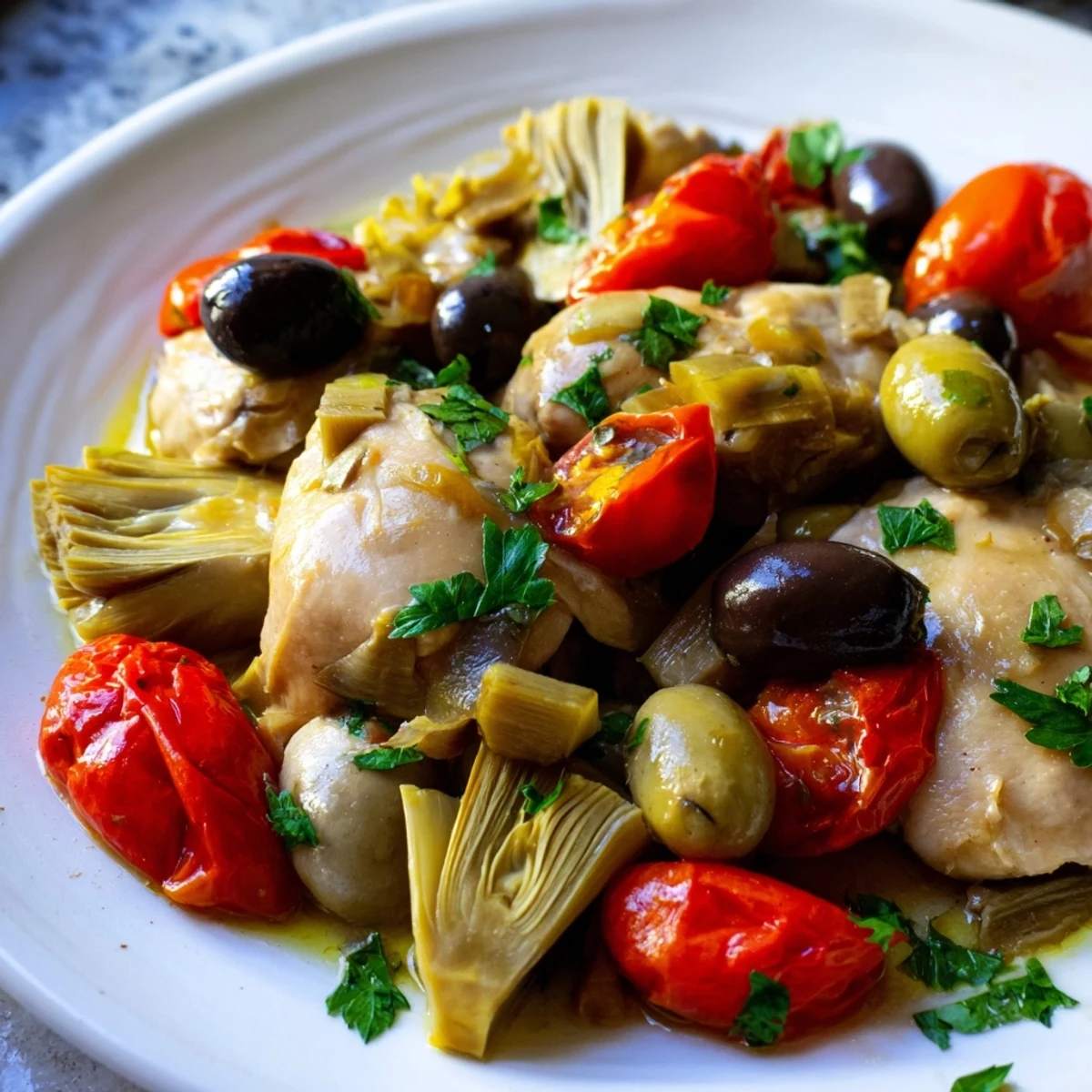
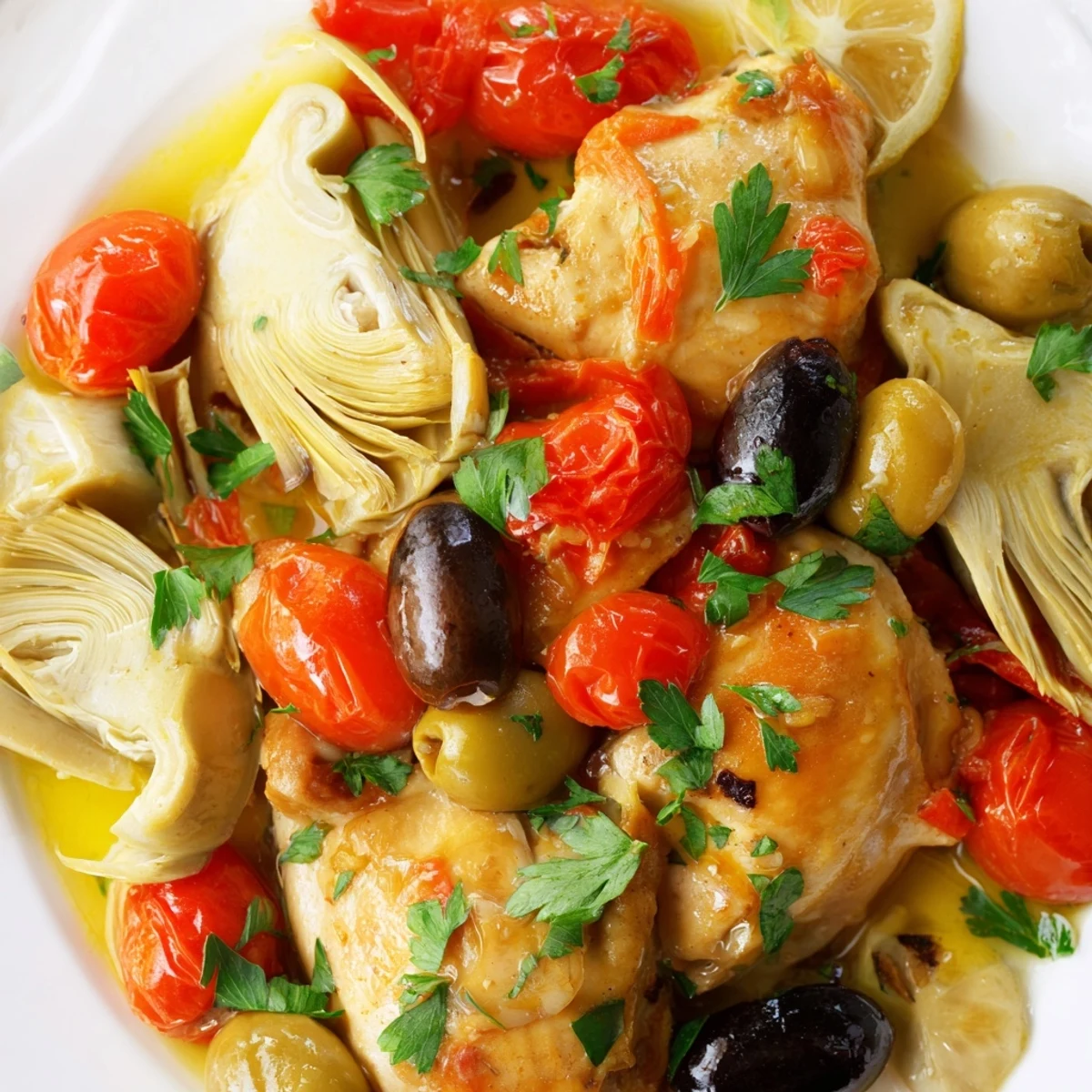
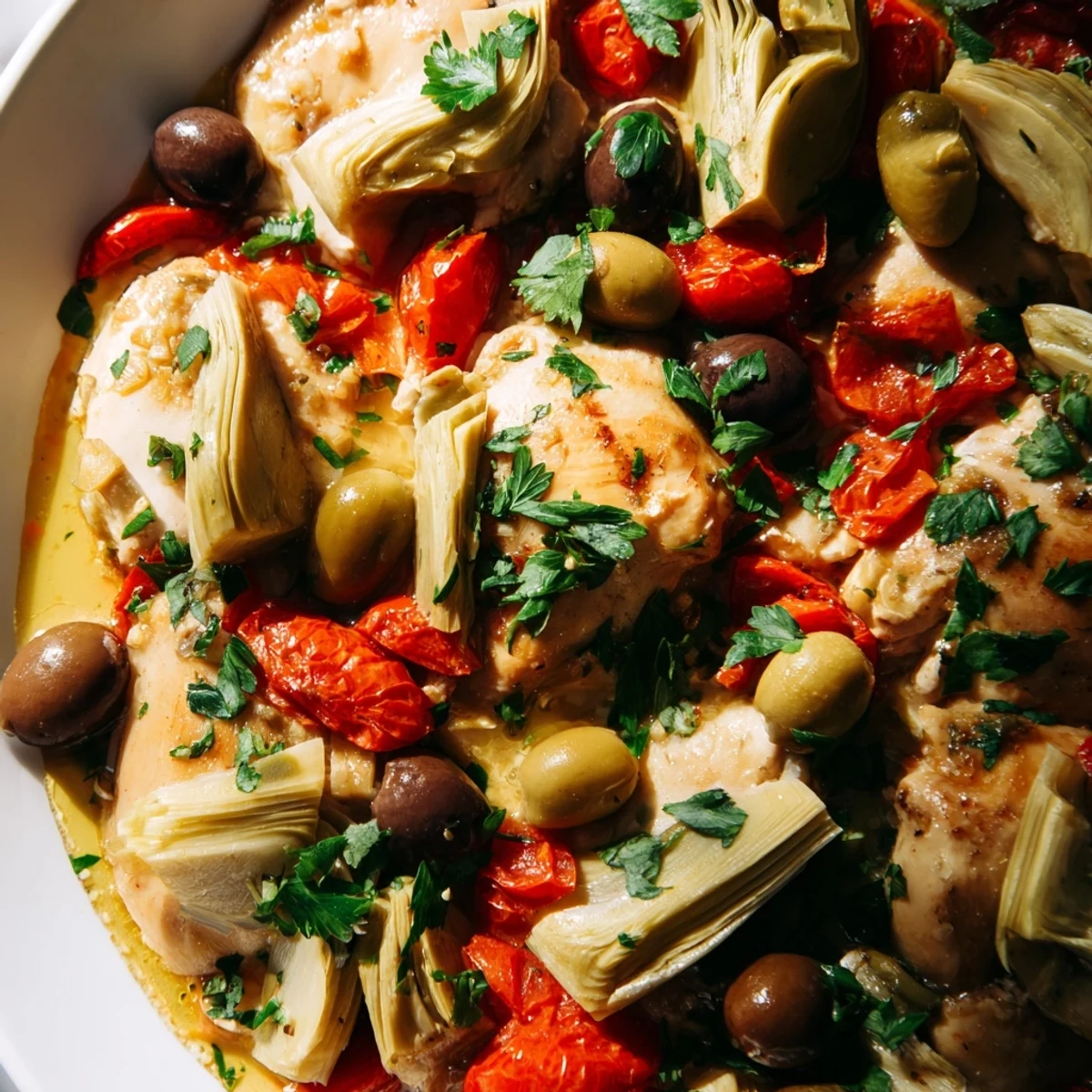
Save This Mediterranean-inspired chicken dish combines tender chicken breasts with tangy lemon, briny olives, and tender artichokes in a single skillet. The dish features a perfect balance of flavors with aromatic herbs and spices, creating a light yet satisfying meal that's easy to prepare and perfect for weeknight dining.
The first time I made this lemon chicken, my kitchen smelled like a tiny Greek island tucked into my apartment building. I'd come home with chicken breasts and a jar of marinated artichokes, unsure what I was even making, but that hit of lemon zest changed everything. My roommate walked in and asked if I'd been secretly cooking with a yiya somewhere. That's the magic of Mediterranean ingredients—they transform ordinary chicken into something that feels like a vacation.
I served this at a Tuesday night dinner once when friends dropped by unexpectedly. They thought I'd been planning it for days, especially after they dipped crusty bread into those lemony pan juices at the end. Now it's my go-to when I want to feed people something that looks impressive but doesn't require me to be a stressed-out host.
Ingredients
- 4 boneless skinless chicken breasts: Pat them completely dry before seasoning—this is what creates that beautiful golden sear that locks in moisture
- 1 medium red onion thinly sliced: Red onion becomes sweet and mellow when roasted, adding a gorgeous pop of color against the olives
- 3 garlic cloves minced: Fresh garlic blooms in the hot oil before going into the oven, infusing everything with its aroma
- 1 cup marinated artichoke hearts drained and quartered: The oil they're packed in adds extra flavor, so don't rinse them unless they're excessively oily
- 1 cup cherry tomatoes halved: These burst in the oven, creating little pockets of sweetness that balance the briny olives
- 1 large lemon zested and juiced: Zest before you cut it in half for juicing—much easier to handle and you get every bit of those aromatic oils
- 1/3 cup pitted green olives halved: Castelvetrano olives are my favorite here because they're buttery and mild, but any green olive works beautifully
- 1/3 cup pitted Kalamata olives halved: These add that classic Greek flavor and their dark color makes the dish look stunning
- 2 tbsp extra-virgin olive oil: Use the good stuff here since you're not cooking it at high heat for long
- 1/2 cup dry white wine: Sauvignon Blanc or Pinot Grigio both work—if you don't cook with wine, low-sodium chicken broth is a perfect substitute
- 1 tsp dried oregano 1/2 tsp dried thyme 1/2 tsp smoked paprika: This herb blend creates that classic Mediterranean flavor profile, and the smoked paprika adds a subtle depth that regular paprika doesn't provide
- Salt and freshly ground black pepper: Be generous with the pepper but go lighter on the salt since both olives and artichokes are naturally salty
- 2 tbsp fresh parsley chopped: Add this at the very end for a fresh bite that cuts through the rich pan juices
Instructions
- Get your oven ready and prep the chicken:
- Preheat your oven to 400°F and pat the chicken breasts thoroughly dry with paper towels. Season both sides generously with salt, pepper, oregano, thyme, and smoked paprika, pressing the spices gently into the meat so they adhere.
- Sear the chicken to build flavor:
- Heat olive oil in a large ovenproof skillet over medium-high heat until it shimmers. Add chicken and sear for 2 to 3 minutes per side until deeply golden brown—this creates a flavor base that keeps throughout baking. Remove chicken and set it aside on a plate.
- Build the aromatic vegetable base:
- In the same skillet, add sliced onions and sauté for 2 minutes until they start to soften. Stir in the garlic and cook for just 1 minute more until fragrant, being careful not to let it brown.
- Add the Mediterranean medley:
- Toss in artichoke hearts, cherry tomatoes, both types of olives, and the lemon zest. Stir everything together so the vegetables start to warm through and pick up any flavorful browned bits from the bottom of the pan.
- Bring it all together and bake:
- Nestle the seared chicken back into the skillet among the vegetables. Pour in the white wine and lemon juice around the chicken, then transfer the whole skillet to the oven. Bake uncovered for 20 to 25 minutes until chicken reaches 165°F and vegetables are tender.
- Finish and serve:
- Remove from oven and sprinkle fresh parsley over everything while it's still hot. Let the dish rest for 5 minutes before serving to allow the juices to redistribute—then scoop onto plates, making sure everyone gets plenty of those olives and artichokes.
 Save
Save This recipe has become my secret weapon when friends are going through tough times. Something about comfort food that still feels bright and hopeful—it's like edible optimism in a skillet. Last month I made it for a neighbor who'd just had surgery, and she texted me two days later asking for the recipe because it made her feel taken care of.
Choosing Your Olives
I've learned that the olives you choose can completely change the character of this dish. Sometimes I grab whatever's on sale at the grocery store, and it still turns out wonderful. But when I want it to feel special, I'll visit the olive bar at my local market and mix a few varieties—maybe some oil-cured black olives alongside the usual green and Kalamata. The brine from different olives melds together in the oven, creating these complex salty notes that make every bite interesting.
The Wine Question
Early on I worried about using wine in cooking, but I've discovered that even an inexpensive bottle works beautifully here. The alcohol evaporates in the oven's heat, leaving behind just the wine's bright acidity that enhances all those Mediterranean flavors. When I'm cooking for kids or don't have wine on hand, good chicken broth creates a slightly different but equally delicious result—more savory, less bright. Both versions have their place depending on my mood and who I'm feeding.
Making It Your Own
This is one of those forgiving recipes that welcomes creativity. Some nights I add baby spinach during the last 5 minutes of baking so it wilts into the sauce. Other times I'll throw in some roasted red peppers from a jar for extra sweetness. My mother-in-law makes it with capers instead of olives, and my sister adds sun-dried tomatoes. The core formula stays the same, but it never feels repetitive.
- Dried herbs work perfectly here, but if it's summer and you have fresh oregano and thyme, use about three times the amount called for
- If your chicken breasts are particularly thick, pound them lightly to an even thickness so they cook through without drying out
- The pan juices at the end are liquid gold—don't let them go to waste
 Save
Save There's something almost meditative about making this recipe—the simple chopping, the satisfying sizzle, that moment when the skillet emerges from the oven bubbling and fragrant. It's humble food that makes you feel like you've treated yourself well.
Your Recipe Questions Answered
- → Can I use chicken thighs instead of breasts?
-
Yes, boneless chicken thighs work wonderfully in this dish. They tend to be more flavorful and remain juicier during cooking. You may need to adjust the cooking time slightly, as thighs typically cook faster than breasts.
- → What's the best wine to use in this recipe?
-
A dry white wine like Sauvignon Blanc or Pinot Grigio works best. If you prefer an alcohol-free option, low-sodium chicken broth is an excellent substitute that still provides the necessary liquid and flavor base.
- → How can I make this dish gluten-free?
-
This recipe is naturally gluten-free as written. Just ensure that your artichoke hearts are not marinated in any dressings containing gluten, and verify that all other ingredients are certified gluten-free if you have severe sensitivities.
- → What sides pair well with this Mediterranean chicken?
-
This dish pairs beautifully with crusty bread to soak up the flavorful juices, or with rice, quinoa, or roasted vegetables. A simple green salad with a lemon vinaigrette would also complement the Mediterranean flavors nicely.
- → Can I prepare this ahead of time?
-
You can prepare the ingredients ahead of time, but it's best to cook the dish fresh for optimal texture and flavor. You can chop vegetables and measure seasonings in advance, then assemble and cook when ready to serve.