
 Save
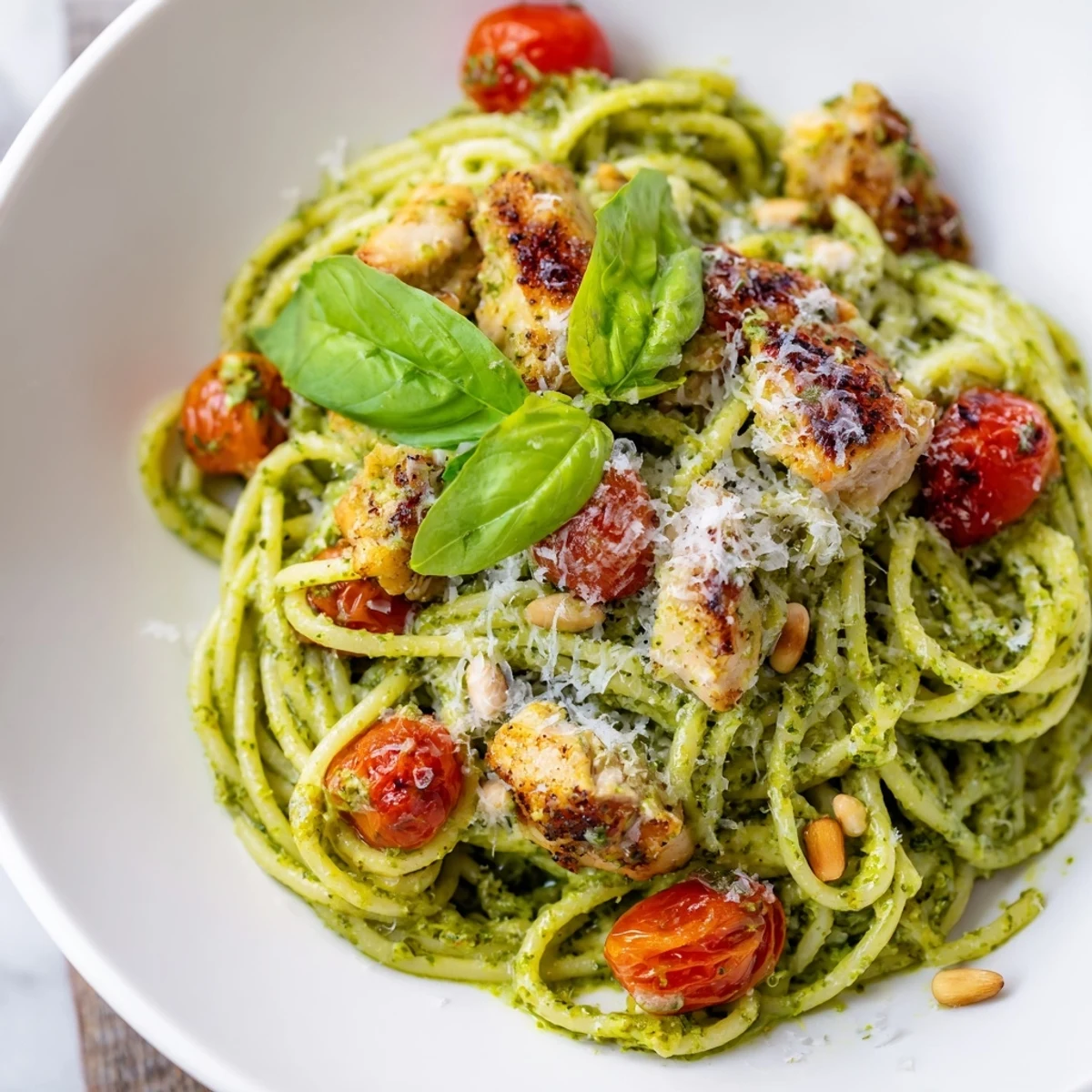
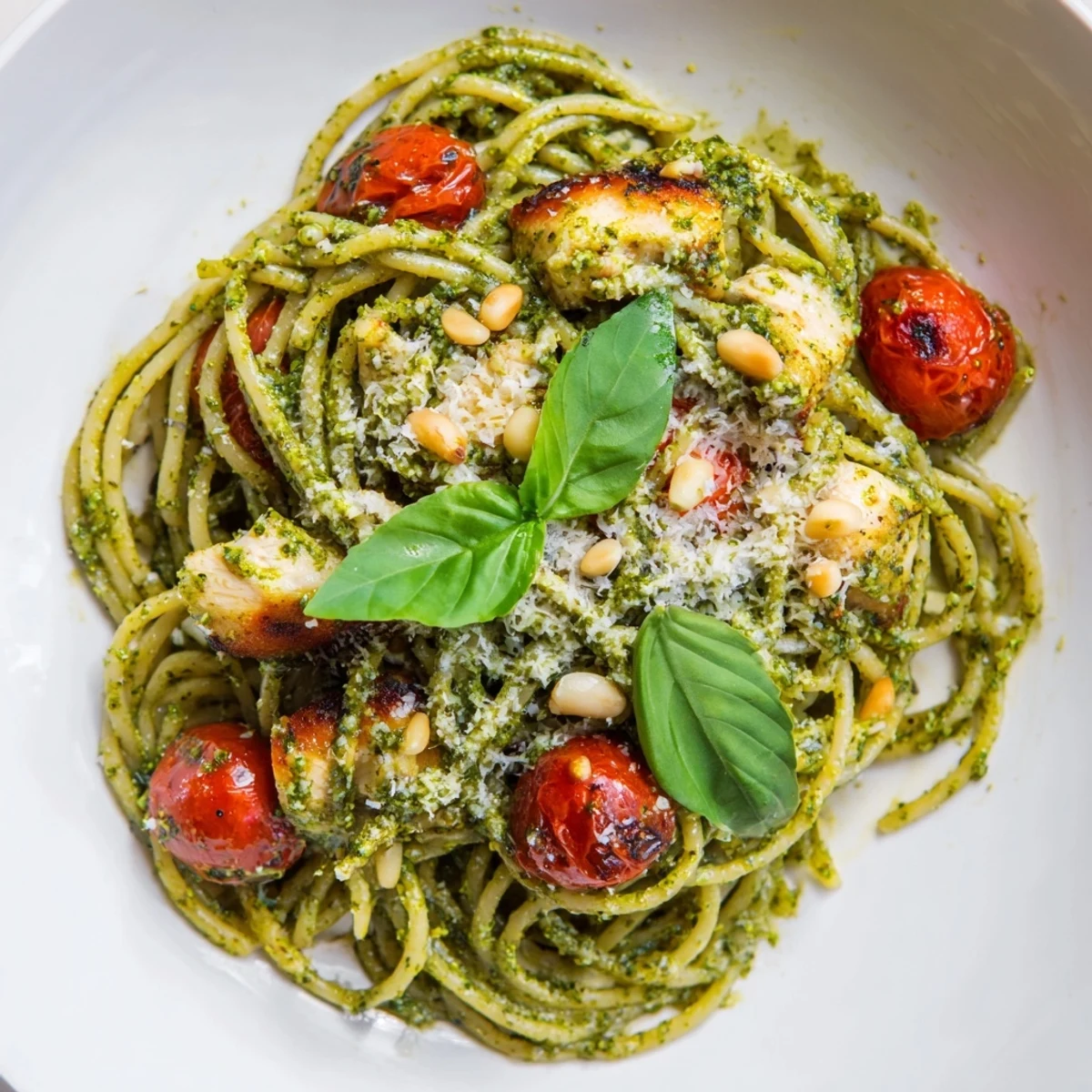
Save This vibrant Italian dish brings together tender chicken breast pieces with fresh homemade basil pesto and perfectly al dente pasta. The light coating of aromatic pesto creates a satisfying meal that's both healthy and full of flavor. Ready in just 35 minutes, this versatile dish works perfectly for weeknight dinners or casual entertaining. Optional cherry tomatoes and baby spinach add color and extra nutrition, while extra Parmesan and fresh basil leaves provide the finishing touches.
The smell of fresh basil hitting the food processor still transports me back to my tiny apartment kitchen, where I'd make pesto with windows flung open to catch any breeze. That first batch turned way too garlicky, but my roommate ate it anyway, claiming it would keep vampires away for miles. Now I've learned the delicate dance of balancing ingredients, though I still make it with the same enthusiasm.
Last summer my sister came over exhausted from a new job, and I threw this together using whatever was languishing in the fridge. She took one bite and actually stopped talking mid-sentence, which for her is saying something. Since then its become our default catch-up dinner, the kind where you linger at the table long after the plates are empty.
Ingredients
- 2 boneless skinless chicken breasts: Cutting them into bite-sized pieces before cooking means they cook faster and every forkful gets the perfect ratio of chicken to pasta
- 350 g whole wheat or regular spaghetti or penne: Whole wheat adds a nice nutty flavor that stands up to the pesto, but regular works beautifully too
- 50 g fresh basil leaves: Pack them down gently when measuring, and avoid any leaves that have started to turn dark or spotted
- 2 tbsp pine nuts: Toast them for a minute in a dry pan before blending, it deepens their flavor in a way that makes the whole pesto sing
- 2 garlic cloves: One clove makes it mellow, two gives it that bright kick, three and you're calling the vampires yourself
- 40 g grated Parmesan cheese: The kind you grate yourself melts into the pesto better than pre-grated, which often has anti-caking agents
- 2-3 tbsp extra virgin olive oil: Drizzle it in slowly while the processor runs, watching how it transforms the mixture from dry paste to silky sauce
- Juice of ½ lemon: This brightens everything and keeps the pesto from tasting too heavy or rich
- Salt and pepper to taste: Remember the Parmesan is already salty, so start light and adjust as you go
- 100 g cherry tomatoes: They burst slightly when you toss them with hot pasta, releasing little pockets of sweetness
- 1 handful baby spinach: Wilts down to almost nothing but adds this gorgeous green color and a hint of earthiness
- Extra Parmesan and fresh basil: These arent strictly necessary, but they make the dish look like it came from a restaurant kitchen
Instructions
- Get your pasta water bubbling:
- Drop a generous palmful of salt into that water, it should taste like the ocean, which is the only way to properly season pasta from the inside out
- Whip up the pesto magic:
- Blend those basil leaves, toasted pine nuts, garlic, Parmesan, and lemon juice until they start coming together, then slowly pour in the olive oil while the motor runs until you hit sauce consistency
- Cook the chicken until golden:
- Let those pieces sizzle undisturbed for a minute between stirs so they develop a nice golden brown color, which adds way more flavor than you'd expect
- Give the vegetables a quick turn:
- If you're adding them, toss in the cherry tomatoes and spinach just until the tomatoes start to look a little blistered and the spinach wilts, about 2 minutes tops
- Bring it all together:
- Turn the heat down low, add the drained pasta and chicken back in, then stir through the pesto with a splash of that pasta water you saved until everything's coated and glossy
 Save
Save My dad, who survives on toast and eggs, actually asked for the recipe after trying this at my place. He still cuts the chicken into comically large pieces and forgets the pine nuts, but he calls me every time he makes it to report on his improvements.
Making It Your Own
I've made this with walnuts when pine nuts felt too expensive, and honestly, the earthier flavor won me over. Sometimes I add roasted red peppers from a jar, letting their juices mingle with the pesto for a smoky sweetness that feels entirely new but still recognizably comfort food.
Perfecting The Texture
The difference between good pesto pasta and great pesto pasta comes down to that final toss, taking it off the heat while there's still a tiny bit of liquid in the pan so everything keeps moving. I learned the hard way that letting it sit on high heat makes the sauce separate and turn oily.
Serving Suggestions
A crisp white wine cuts through the richness beautifully, something cold and bright like a Pinot Grigio. I like serving this with a simple green salad dressed with nothing but olive oil and lemon juice, letting the main dish stay the star of the show.
- Grill some bread slices rubbed with garlic while the pasta cooks
- Keep extra lemon wedges on hand for those who love an extra hit of acid
- Have a little extra pasta water nearby in case the sauce tightens up
 Save
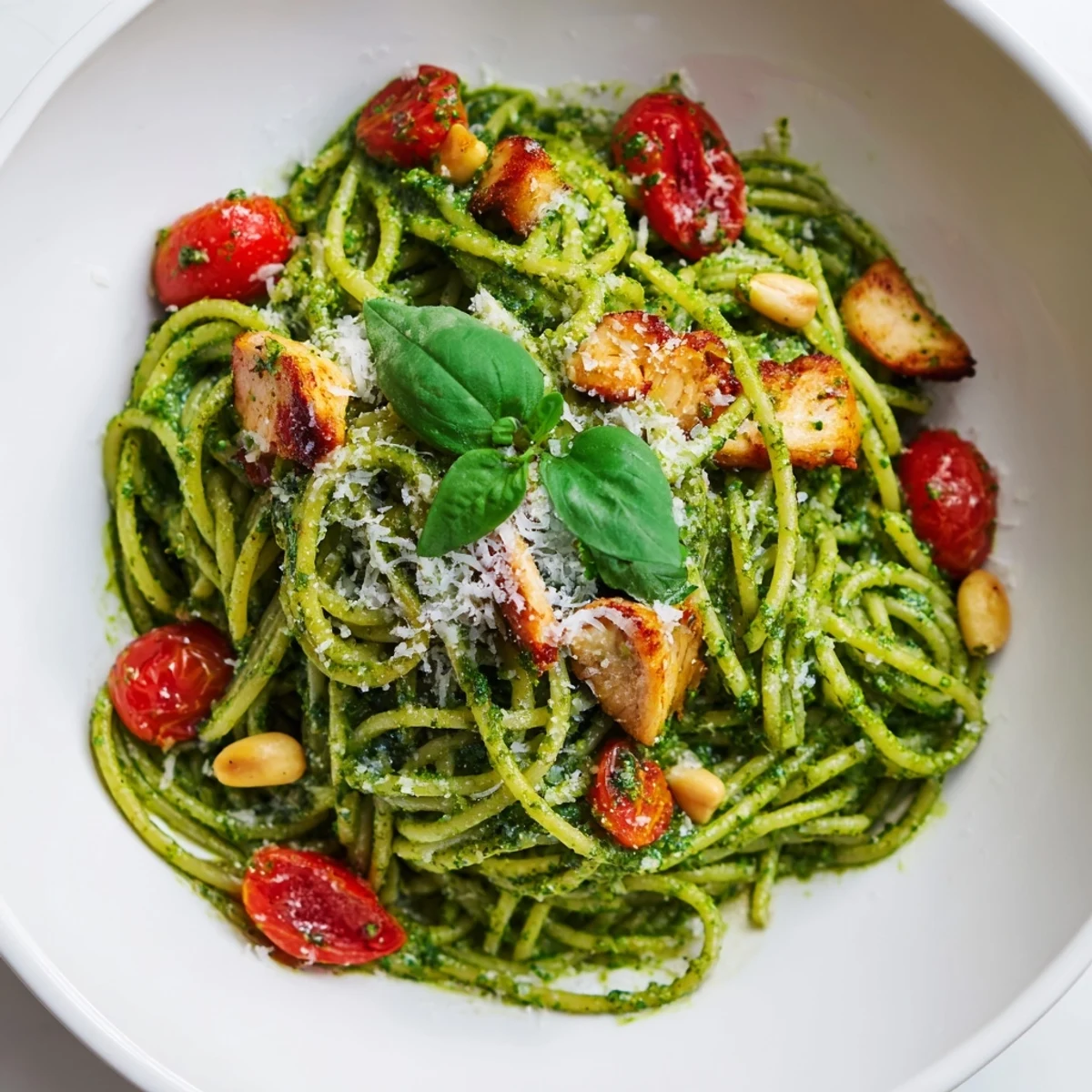
Save Somehow this dish manages to feel light and indulgent all at once, the kind of meal that leaves you satisfied without needing to undo a button.
Your Recipe Questions Answered
- → How do I make the pesto sauce?
-
Blend fresh basil leaves, pine nuts, garlic cloves, grated Parmesan, lemon juice, salt and pepper in a food processor. Slowly drizzle in extra virgin olive oil while processing until smooth. Adjust seasoning to taste before tossing with hot pasta.
- → Can I use store-bought pesto instead?
-
Absolutely. Store-bought pesto works perfectly fine and will save you preparation time. Use about 6-8 tablespoons of good quality jarred pesto to coat the pasta and chicken adequately.
- → What pasta shapes work best?
-
Spaghetti and penne are excellent choices as mentioned, but fusilli, farfalle, or rigatoni also work wonderfully. The pesto coats short pasta shapes particularly well, while long strands like spaghetti or linguine create a more traditional presentation.
- → How can I make this lighter?
-
Use skinless chicken breast as specified, opt for whole wheat pasta, and consider reducing the amount of olive oil in the pesto slightly. Adding more vegetables like spinach, cherry tomatoes, or roasted bell peppers increases volume while keeping calories in check.
- → What can I substitute for pine nuts?
-
Walnuts, cashews, almonds, or sunflower seeds all make excellent substitutes for pine nuts in the pesto. Each brings a slightly different flavor profile but works beautifully with the basil and Parmesan combination.