
 Save
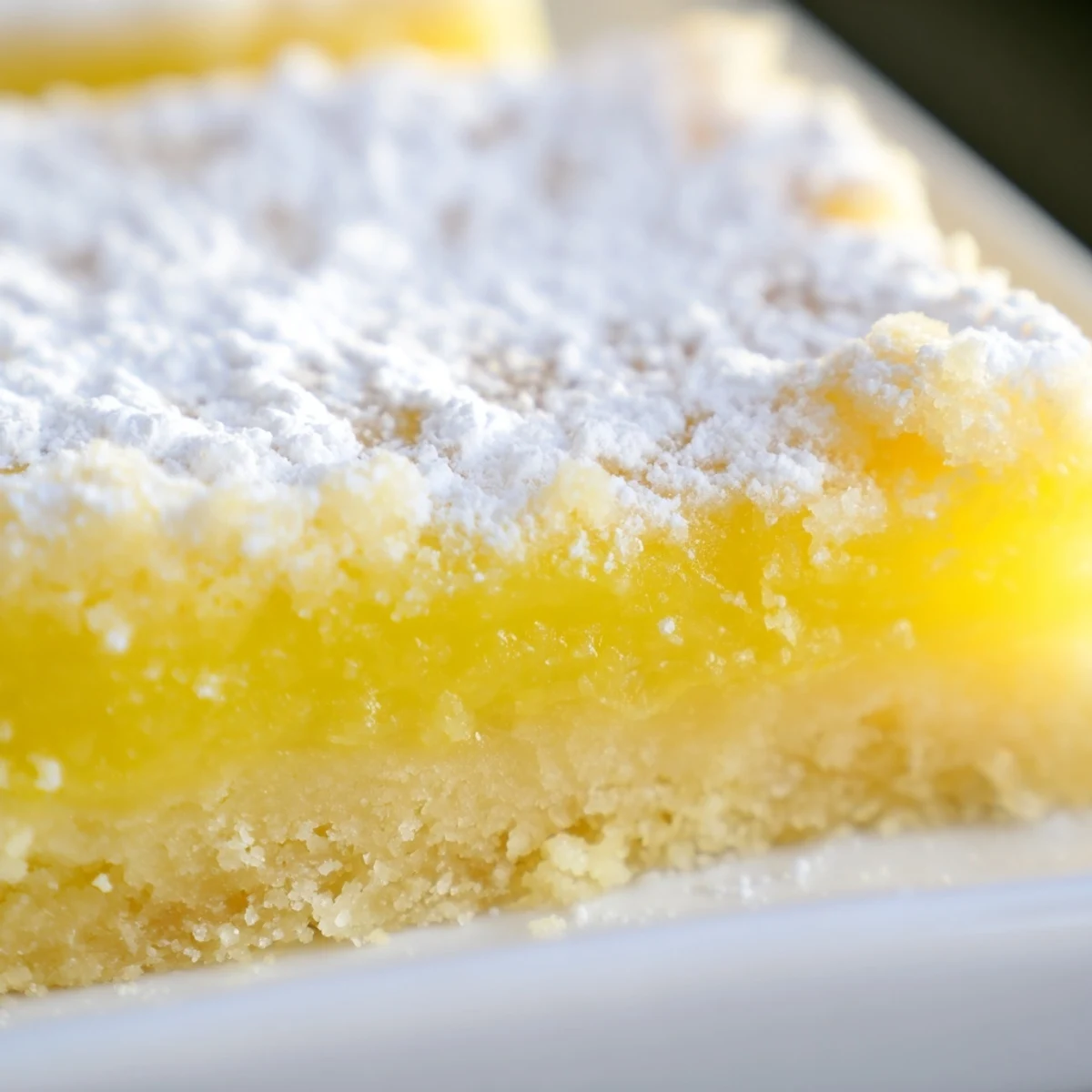
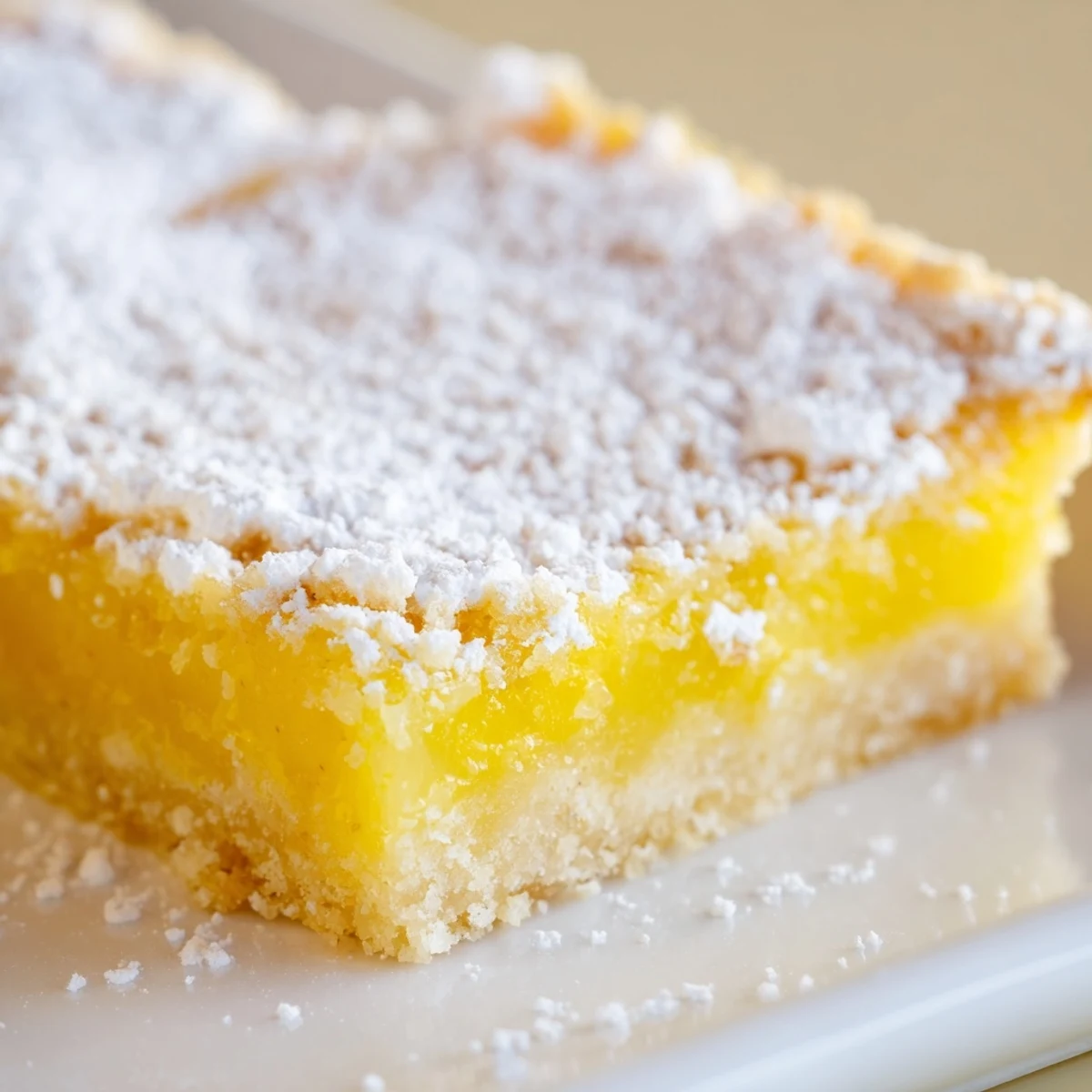
Save These bright lemon bars combine a tender, buttery shortbread crust with a tangy, melt-in-your-mouth lemon filling. The crust is baked until lightly golden, then topped with a smooth lemon mixture flavored by fresh lemon juice and zest. After baking, bars chill for clean slicing and are dusted with powdered sugar for a delicate finish. Perfectly balanced between sweet and tart, they make an ideal treat for dessert or afternoon tea occasions.
The first time I made lemon bars was completely by accident—I'd meant to bake something else entirely, but when I opened the fridge and spotted three beautiful lemons, the plan changed instantly. There's something about that bright citrus color that just demands to be turned into something sweet and tangy. That afternoon taught me that the best desserts often come from happy kitchen mistakes and following your instincts instead of sticking rigidly to a recipe.
I remember bringing these to my neighbor's garden party last summer, and watching people's faces light up when they bit into that contrast between the buttery crust and the slightly wiggly, tangy filling was absolutely worth the effort. One woman came back for thirds and asked if I'd ever considered selling them—I still smile thinking about that.
Ingredients
- Unsalted butter (1 cup): Softened butter creams into the sugar without any salty interference, creating that delicate shortbread base that practically melts on your tongue.
- Granulated sugar (1/2 cup for crust, 1 1/2 cups for filling): The crust sugar keeps things tender while the filling sugar balances the bright lemon tartness—don't skimp on either.
- All-purpose flour (2 cups for crust, 1/4 cup for filling): The crust flour builds structure, and the filling flour keeps the lemon custard from being too liquidy, though it still trembles just right when it comes out of the oven.
- Salt (1/4 teaspoon): Just a whisper to make the butter and lemon sing without making anything taste salty.
- Eggs (4 large): These bind the filling and create that silky, custardy texture that makes the bars special—room temperature eggs blend more smoothly, so I usually pull mine out 15 minutes ahead.
- Freshly squeezed lemon juice (2/3 cup): Bottled juice tastes flat and one-dimensional; real lemon juice gives you that living, bright flavor that changes everything.
- Lemon zest (1 tablespoon): This is where the intense lemon character lives—don't skip it, and use a microplane if you have one so you get the fragrant yellow part without the bitter white pith.
- Powdered sugar (for dusting): A generous coating on top creates a pretty contrast and adds another layer of sweetness to balance that pucker-worthy filling.
Instructions
- Get your oven ready:
- Heat to 350°F and line your pan with parchment paper, letting it overhang the edges so you can lift the whole batch out later without wrestling with the pan.
- Make the crust:
- Cream the softened butter and sugar together until it's pale and fluffy—this takes about 2-3 minutes if you're using an electric mixer, and it's worth doing because the air bubbles make the shortbread more tender. Add your flour and salt, mixing just until everything comes together without overworking the dough.
- Press and bake the base:
- Spread the dough evenly across the bottom of your prepared pan—I use my fingers, slightly dampened, to press it flat without it sticking everywhere. Bake for 18-20 minutes until the edges are lightly golden but the center still looks pale; this crust is done when it smells buttery and looks set, not when it's brown.
- Prepare the filling while the crust bakes:
- Whisk together the sugar and flour in a large bowl, then add your eggs, lemon juice, and zest. Whisk until the mixture is completely smooth—this takes a minute or so, and any flour lumps will create weird pockets in your filling, so take your time.
- Add filling and finish baking:
- Pour the bright yellow filling right over the hot crust and slide it back into the oven for 15-18 minutes. You want the center to jiggle just slightly when you gently shake the pan—it will continue to set as it cools, and overbaking makes the filling tough and rubbery instead of silky.
- Cool with patience:
- Let the whole pan cool on a wire rack until it's completely room temperature, then refrigerate for at least 2 hours. This chilling step is non-negotiable because warm lemon bars will fall apart when you try to cut them, and cold ones slice clean and neat.
- Cut and dust:
- Use the parchment overhang to lift the whole block out of the pan, then dust generously with powdered sugar before cutting into 16 squares with a sharp knife, wiping the blade clean between cuts for neat edges.
 Save
Save There's a moment when you cut into a properly chilled lemon bar and see that clear line between the buttery shortbread and the pale yellow filling that just feels like a small victory. My daughter started requesting these for her lunch box during exam week, saying they made studying easier somehow—I think she just liked the brightness of them.
Building the Perfect Citrus Dessert
The genius of lemon bars is how they balance three completely different textures and tastes in one bite. The shortbread base is pure buttery comfort, the filling is tart and smooth like a citrus cloud, and the powdered sugar dusting adds a little sweetness that ties everything together. I've learned that this structure—tender base, custardy middle, sweet top—is something you can play with once you nail the original.
Playing With Citrus Flavors
After making lemon bars dozens of times, I got curious about what else might work in that filling. Lime gives you a more floral tartness, blood orange adds this weird gorgeous color and a deeper flavor, and grapefruit (just a quarter cup mixed with the lemon juice) creates this sophisticated bitter-sweet thing that adults seem to lose their minds over. The shortbread base stays the same—it's the filling that's flexible and fun to experiment with.
Storage, Sharing, and Keeping Them Fresh
These bars actually improve a day after you make them as the flavors settle and the filling becomes even more custardy. Stored in an airtight container in the fridge, they last a solid four days, though they rarely last that long in my house. I've started wrapping individual bars in parchment and stacking them in a container so it's easy to grab one with coffee in the morning, and I learned the hard way that the powdered sugar coating will stick slightly to plastic wrap, so parchment is your friend.
- Make these the day before a gathering so they're perfectly chilled and ready to serve.
- You can freeze these for up to a month—wrap them individually and thaw at room temperature for about an hour before eating.
- A squeeze of fresh lemon juice right before serving brings the flavor back to life if they've been refrigerated for a couple of days.
 Save
Save Lemon bars became a thing I make regularly because they're simple enough for any skill level but fancy enough to feel special. There's something about that combination of buttery and bright that just makes people happy.
Your Recipe Questions Answered
- → What type of crust is used for these lemon bars?
-
A buttery shortbread crust forms the base, baked until lightly golden for a crisp texture that complements the lemon filling.
- → How can I intensify the lemon flavor?
-
Increasing the amount of lemon zest up to 2 tablespoons will add a stronger citrus aroma and brightness.
- → Can other citrus fruits be used instead of lemon?
-
Yes, substituting lime or orange juice offers a delightful twist while maintaining the tart and sweet balance.
- → What is the best way to achieve clean slices when cutting the bars?
-
Chill the bars thoroughly in the refrigerator for at least 2 hours before slicing to ensure clean, neat squares.
- → How should these bars be stored to maintain freshness?
-
Store them in an airtight container in the refrigerator for up to 4 days to keep texture and flavor intact.
- → Are these bars suitable for vegetarians?
-
Yes, these bars contain no meat products and fit within a vegetarian diet.