
 Save
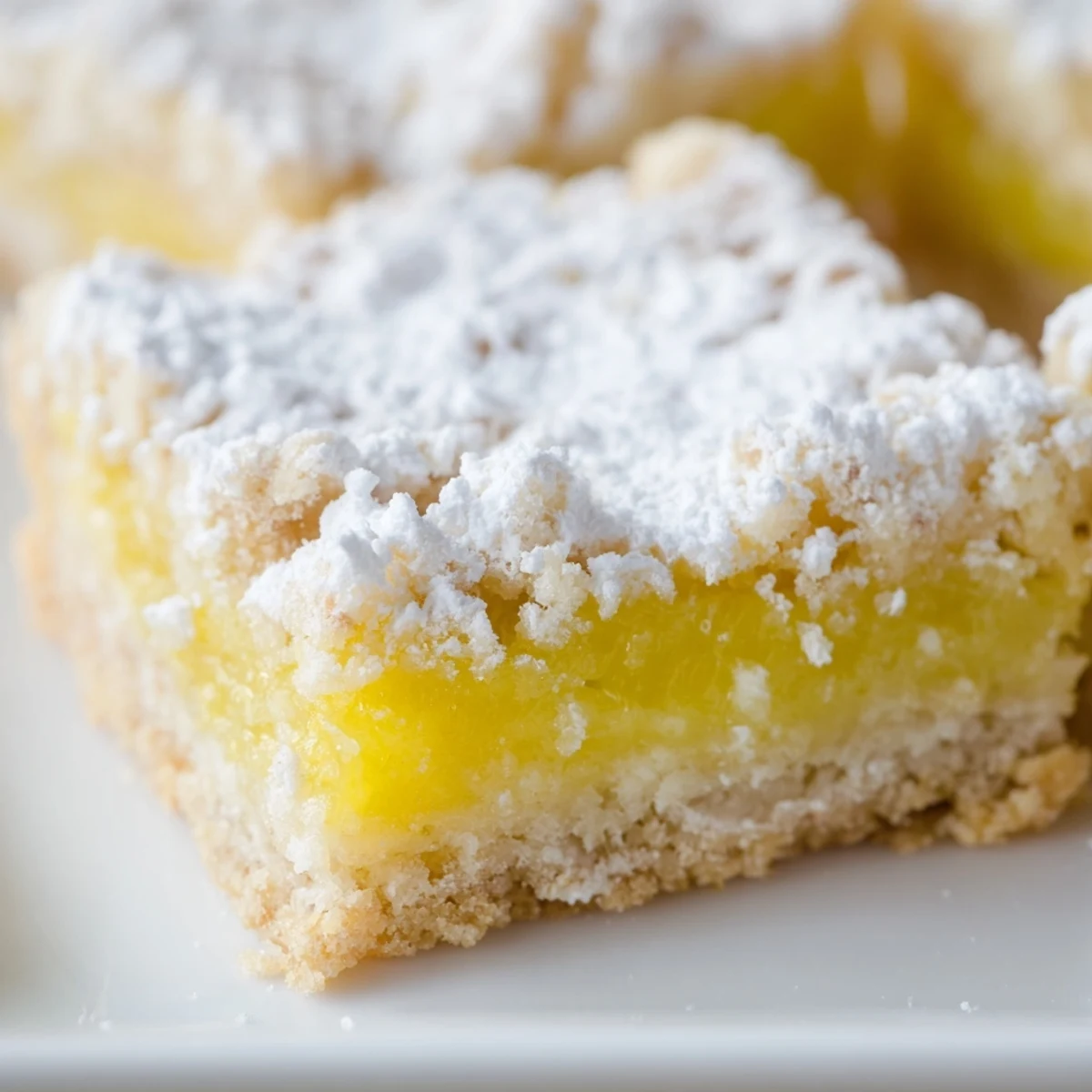
Save These lemon bars combine a crisp, buttery shortbread crust with a bright and tangy lemon filling made from fresh lemon juice and zest. Baked until just set, they balance sweet and tart flavors with a soft, smooth texture. Dusting with powdered sugar adds a delicate finishing touch, making them ideal for gatherings or a refreshing treat. Easily prepared in under an hour, they can be stored refrigerated for up to four days and offer gluten-free adaptability by substituting flours.
There's something about the smell of a lemon that cuts through a gray afternoon—sharp, hopeful, alive. Years ago, I found myself reaching for lemons on impulse at the market, not even sure what I'd make, just knowing I needed that brightness in my kitchen. These bars were the happy accident that followed, a discovery born from wanting something that tasted like sunshine but felt cozy enough to share with people I loved.
I baked these for my neighbor once when she mentioned offhand that lemon was her favorite flavor, and I'll never forget how her whole face changed when she bit into one. She came back two days later asking for the recipe, and I realized right then that a good dessert bar does more than feed people—it tells them you were thinking of them.
Ingredients
- Unsalted butter: Use softened butter for the crust so it creams smoothly without lumps, and keep some cold if you want extra texture.
- All-purpose flour: Don't sift unless your flour is clumpy—extra mixing develops gluten and makes the crust tough.
- Granulated sugar: Measure by weight if you can; it's the only way to guarantee consistent sweetness every time.
- Fresh lemon juice: Bottled juice tastes tinny and flat, so squeeze your own lemons even if your hands get tired.
- Lemon zest: A microplane gets you the fine, fragrant oils without the bitter white pith underneath.
- Eggs: Room temperature eggs blend into the filling more smoothly and create a silkier texture.
- Powdered sugar: This final dusting is your secret weapon for making homemade bars look bakery-quality.
Instructions
- Prepare your pan:
- Line your baking pan with parchment paper and let it overhang the edges so you can lift the whole sheet out later—this is how you get clean, perfect bars every time.
- Make the crust:
- Cream butter and sugar until it looks pale and fluffy, then mix in flour and salt just until it comes together. The moment it stops looking shaggy, stop mixing; overworked dough becomes tough and dense.
- Blind bake the base:
- Press the dough evenly into the pan and bake it for 18 to 20 minutes until the edges start turning golden. You're not cooking it all the way through—just enough so it doesn't get soggy when the wet filling hits.
- Whisk the filling:
- While the crust is in the oven, whisk together sugar, flour, eggs, fresh lemon juice, and zest until completely smooth and pale. This mixture should smell bright enough to make your eyes water a little.
- Layer and bake:
- Pour the hot filling over the hot crust and return everything to the oven for 15 to 18 minutes. The center should jiggle just slightly when you nudge the pan—that's how you know it's done.
- Cool and cut:
- Let the bars cool completely in the pan on a wire rack, then lift out using that parchment overhang. Cut into 16 squares with a sharp knife, wiping it clean between cuts so the edges stay crisp.
 Save
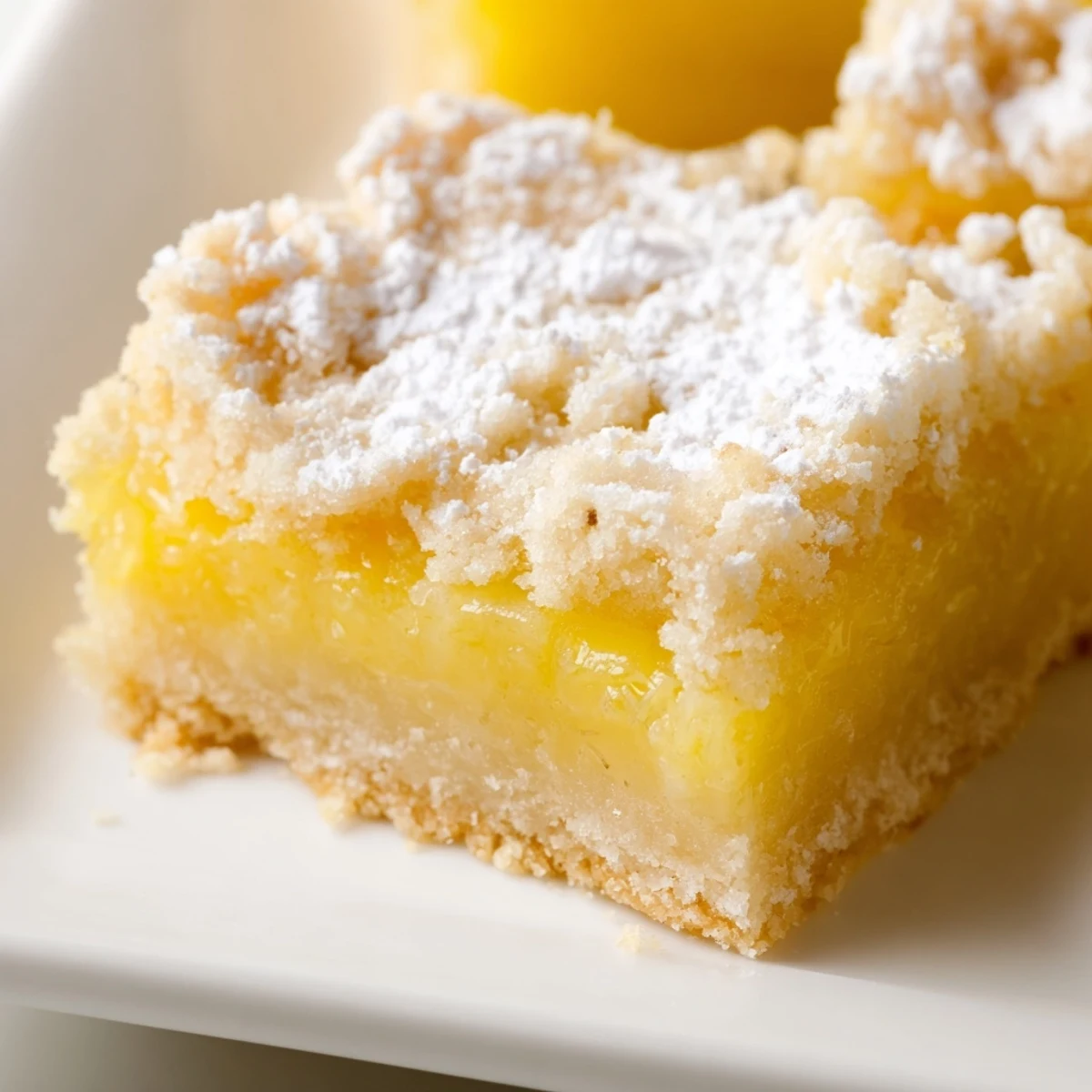
Save One summer, my daughter helped me dust these bars with powdered sugar, and she laughed every time the cloud puffed up around her face. Those little moments—the ones that have nothing to do with technique or timing—are somehow the ones that stick with you longest.
Flavor Customizations
The beauty of this recipe is how easy it is to make it your own without breaking anything. Add a teaspoon of vanilla extract to the filling for warmth and depth, or try a small pinch of cardamom if you want something more complex and unexpected. Some people swirl a spoonful of raspberry jam into the filling before baking, which adds color and a subtle fruit note that plays beautifully with the lemon.
Storage and Make-Ahead Tips
These bars keep well, which makes them perfect for baking on a weeknight and having something ready to share or snack on all week long. Store them in an airtight container in the refrigerator for up to four days, and they actually taste better after a day or two when the crust has absorbed some of the filling and everything melds together into one unified, tender bar.
Variations and Substitutions
If you're baking gluten-free, swap in a one-to-one gluten-free flour blend and watch the baking time closely—it can vary depending on the brand. For a dairy-free version, use vegan butter in the same amount, though the crust won't be quite as flaky. You could even experiment with lime or grapefruit juice instead of lemon, though you might need to adjust the sugar slightly since other citrus fruits vary in tartness.
- For extra lemon intensity, zest one more lemon and add a few drops of lemon extract to the filling.
- If your bars seem too thick, they're still delicious—just cut them into smaller pieces and call them petit fours.
- Make these a day ahead and they travel beautifully to potlucks or picnics without falling apart.
 Save
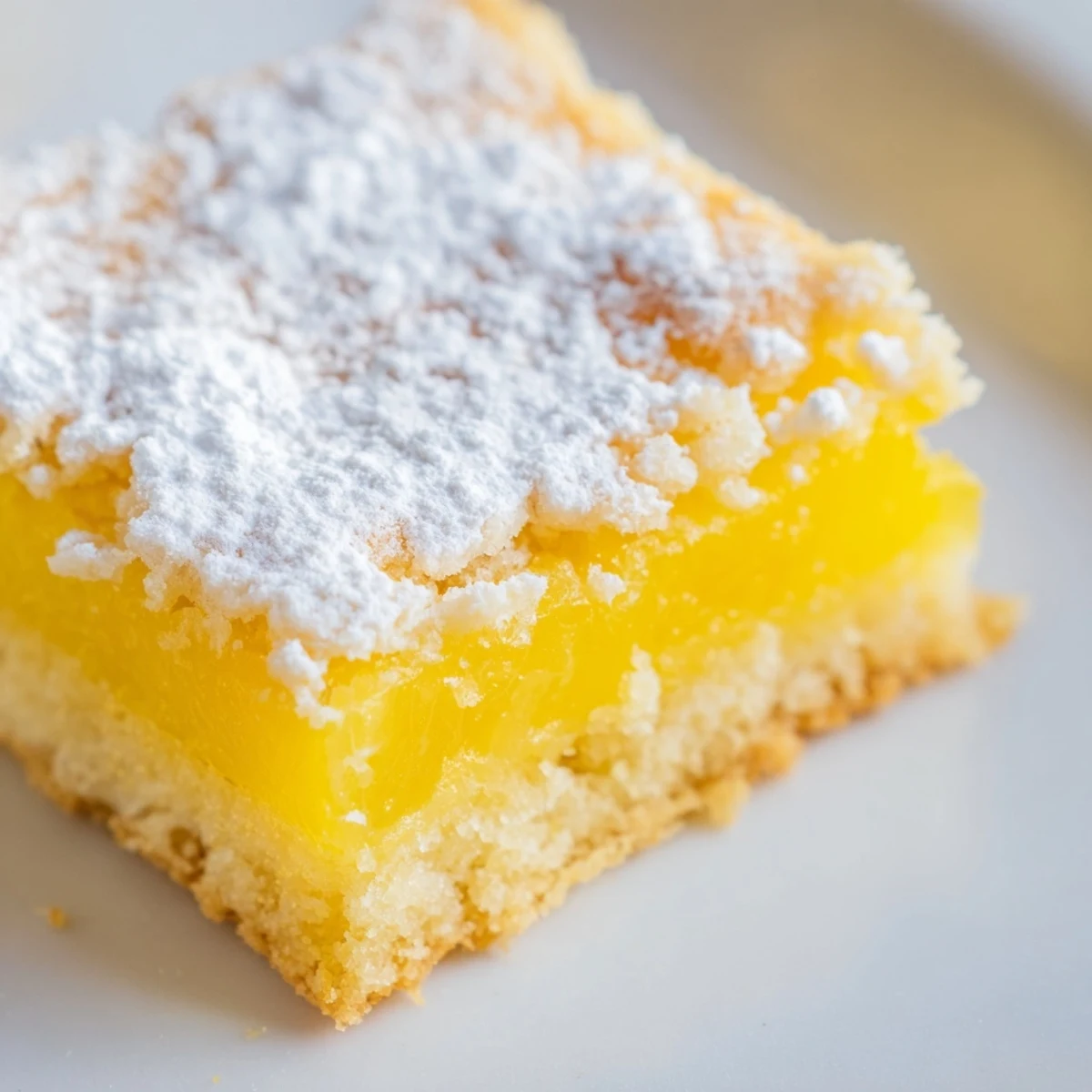
Save These lemon bars have become my answer whenever someone asks what to bring to a gathering or what might cheer up an ordinary Tuesday. They're the kind of recipe that feels special without demanding anything difficult from you.
Your Recipe Questions Answered
- → How do I achieve a crisp shortbread crust?
-
Use well-softened unsalted butter mixed thoroughly with sugar and flour, then press evenly before baking until lightly golden.
- → Can I use fresh lemons for the filling?
-
Yes, fresh lemon juice and zest provide bright citrus flavor essential to the filling's tangy profile.
- → How do I know when the lemon filling is set?
-
The center should no longer jiggle but remain slightly soft, indicating a smooth, custard-like texture.
- → What is the best way to dust the bars before serving?
-
Use a fine sieve or sifter to evenly dust powdered sugar across cooled bars for a light and attractive finish.
- → Can these bars be stored and for how long?
-
Store in an airtight container refrigerated for up to four days to maintain freshness and texture.