
 Save
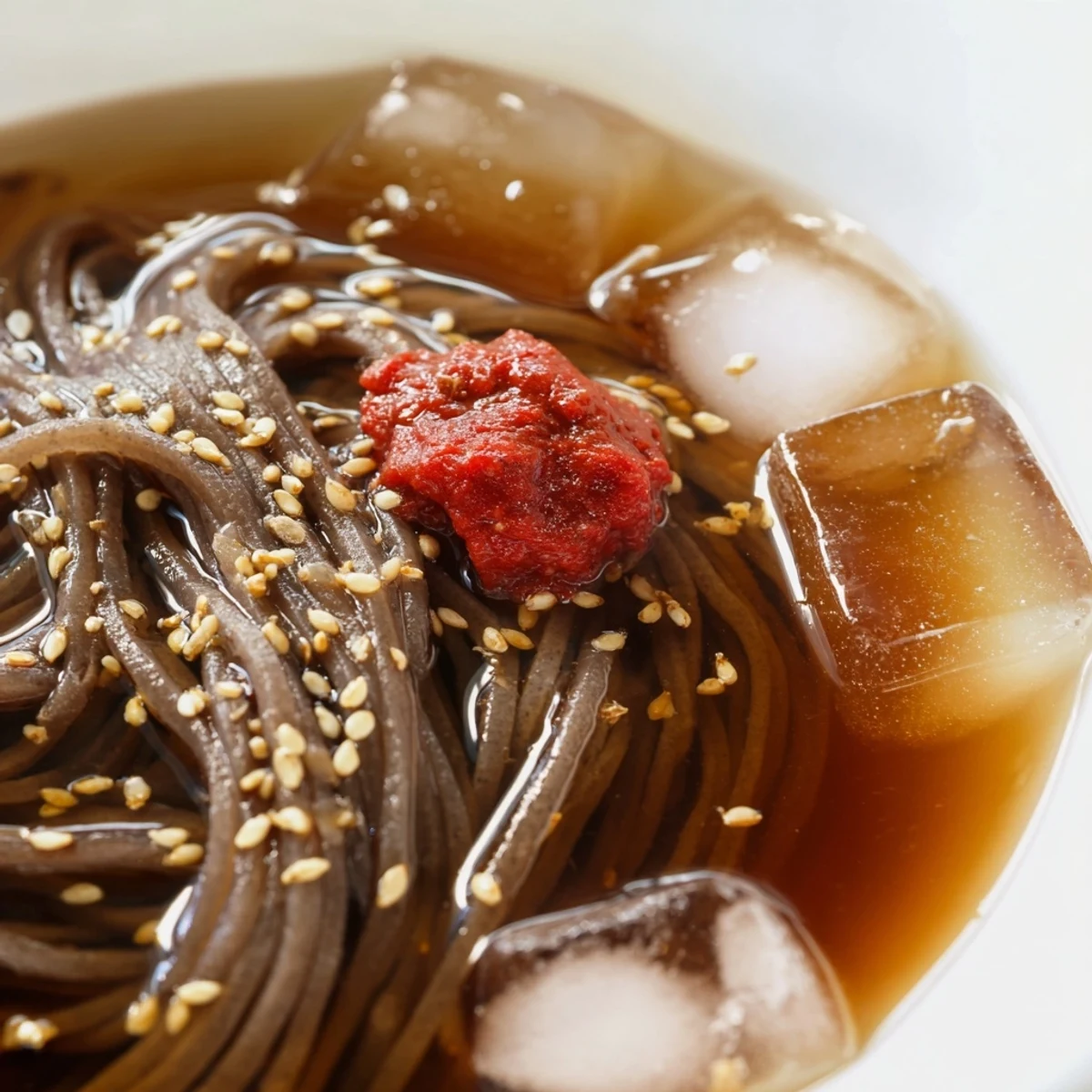
Save This beloved Korean classic features distinctive chewy buckwheat noodles served ice-cold in a perfectly balanced tangy broth. The refreshing combination of savory beef broth, rice vinegar, and hint of sweetness creates an incredibly satisfying dish that's perfect for warm weather.
The key to authentic flavor lies in serving everything thoroughly chilled, including the bowls. The toppings—tender beef brisket, crisp cucumber, sweet Asian pear, and creamy hard-boiled eggs—provide wonderful texture and flavor contrast against the slippery noodles.
The first time I encountered naengmyeon was at a hole-in-the-wall Korean restaurant in Los Angeles, where the waiter warned me about the scissors. Apparently cutting your noodles is acceptable, even expected, and attempting to slurp these impossibly long buckwheat strands whole is considered somewhat reckless. The broth hit my system like an arctic wave tangy, refreshing, and somehow awakening in a way hot soup never could.
Last July, during an unexpected heatwave that had everyone abandoning their kitchens, my Korean-American neighbor invited me over for what she called survival food. She taught me that the secret is in the temperature contrast ice cold broth meeting slightly chewy noodles, and I ended up making three batches that week alone.
Ingredients
- Beef broth: Homemade gives the cleanest flavor, but low sodium works perfectly fine
- Rice vinegar: Provides that essential tang without being harsh or acidic
- Naengmyeon noodles: Traditional buckwheat noodles have that signature bounce and chew
- Asian pear: Adds natural sweetness and a crisp texture contrast
- Sesame oil: Just half a teaspoon ties all the flavors together beautifully
Instructions
- Build the cold broth foundation:
- Whisk together beef broth, cold water, rice vinegar, sugar, soy sauce, sesame oil, and salt until everything dissolves completely. Pop it in the fridge while you prep everything else, because this broth needs to be aggressively cold.
- Prep your toppings like a restaurant kitchen:
- Boil those eggs for exactly 10 minutes, then plunge them into ice water for easy peeling. Slice your beef brisket thin, cut the cucumber into delicate ribbons, and have that Asian pear ready to go.
- Cook and shock the noodles:
- Boil the naengmyeon noodles for just 3 to 4 minutes, then drain and rinse under freezing cold water until they are completely chilled. Keep rinsing until the water runs clear and the noodles feel bouncy and slippery.
- Bring it all together:
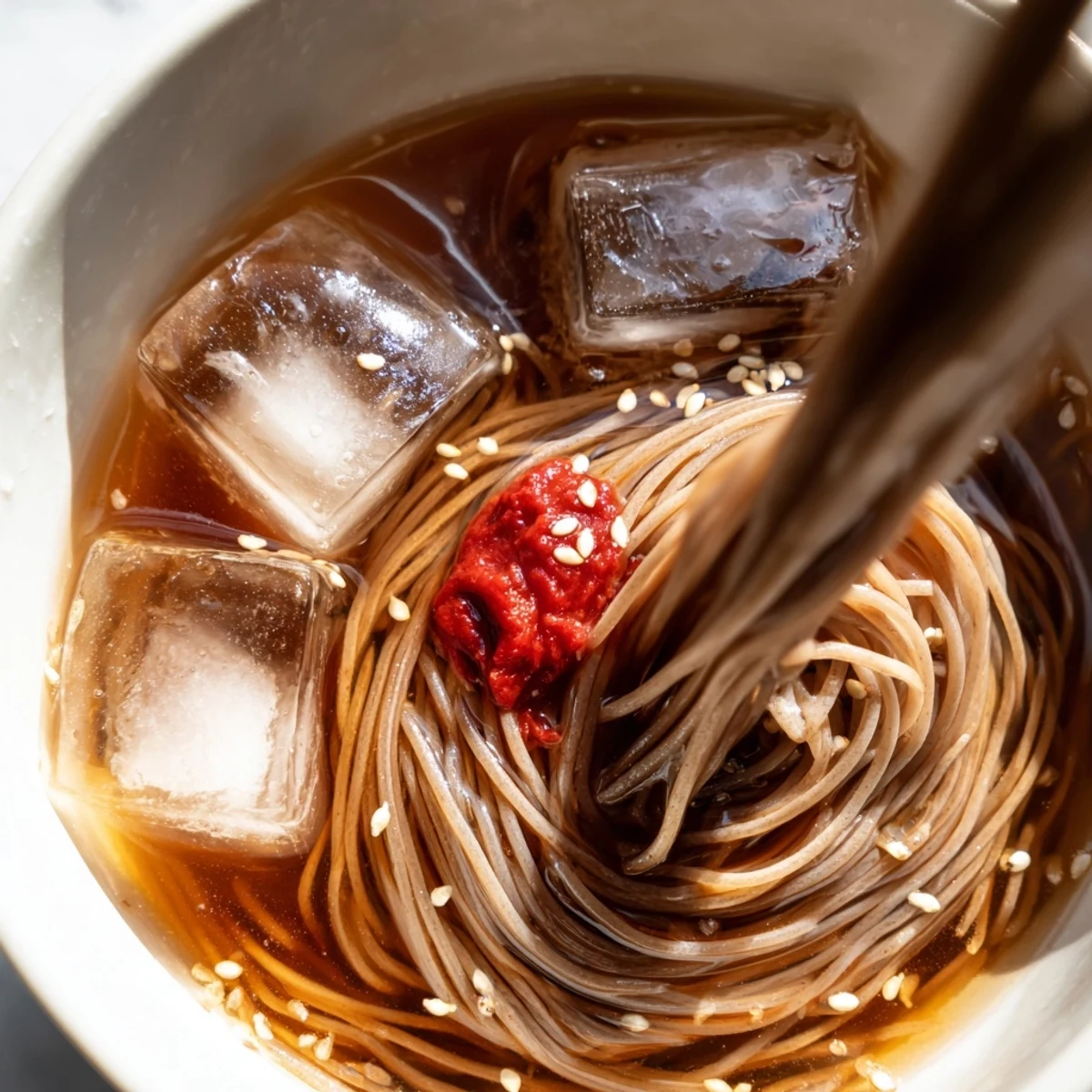
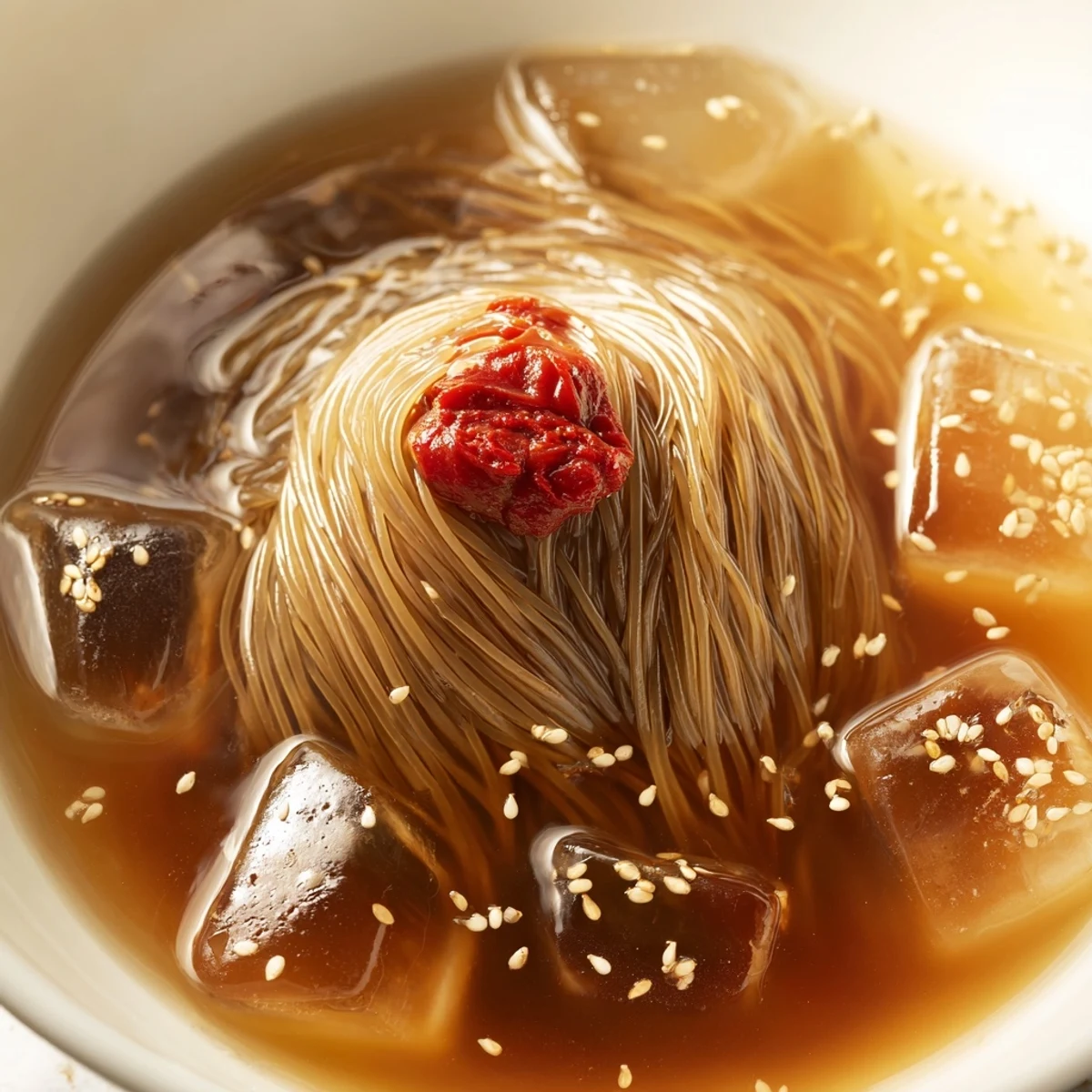
- Divide those cold noodles into bowls, pour over the chilled broth, and arrange your toppings artfully on top. Tuck in a few ice cubes right before serving because lukewarm naengmyeon is basically a crime against nature.
 Save
Save Something magical happens when that first spoonful hits your palate and the sweet pear balances the tangy broth. My typically soup skeptical father actually asked for seconds, which might be the highest compliment I have ever received.
The Art of Temperature Balance
Cold soups occupy this fascinating space where temperature becomes an ingredient itself. The broth should be so cold it makes your teeth hurt slightly, while the noodles retain just enough warmth from cooking to have that perfect chew.
Making It Your Own
While traditional recipes call for beef brisket, I have made excellent versions with rotisserie chicken in a pinch. The key is having something protein rich and savory to balance all that refreshing cold.
Serving Like a Pro
Chill your serving bowls in the freezer for at least 20 minutes before plating. The difference this small step makes is genuinely surprising.
- Set out scissors at the table so diners can snip long noodles easily
- Offer extra vinegar and mustard on the side for personalized seasoning
- Keep extra ice cubes nearby for anyone who wants their soup arctic cold
 Save
Save There is something profoundly satisfying about a meal that cools you down from the inside out, especially when shared with people who appreciate the art of doing less and tasting more.
Your Recipe Questions Answered
- → What makes naengmyeon noodles unique?
-
The distinctive chewy texture comes from buckwheat and sweet potato starch flour combination. These long, thin noodles have a satisfying springiness that holds up beautifully in cold broth, unlike softer wheat-based varieties.
- → Can I make this dish vegetarian?
-
Absolutely. Substitute beef broth with vegetable broth or shiitake mushroom broth for umami richness. Replace beef brisket with marinated tofu or simply increase the vegetable toppings for a completely plant-based version.
- → Why is the broth served so cold?
-
Extreme coldness is essential to the naengmyeon experience. The icy temperature enhances the refreshing quality, balances the tangy flavors, and creates the perfect contrast against hot summer weather. Traditionally, ice cubes are added directly to the bowl.
- → How do I eat the long noodles?
-
The noodles are traditionally served whole and quite long. Use kitchen shears to cut them into manageable portions directly in your bowl before eating. This makes them easier to enjoy without the 'slurp and splatter' challenge.
- → Can I prepare components ahead?
-
The broth can be made 2-3 days in advance and keeps well refrigerated. Noodles should be cooked just before serving as they can become gummy if stored. Prepare all toppings the day before and keep chilled for quick assembly.