
 Save
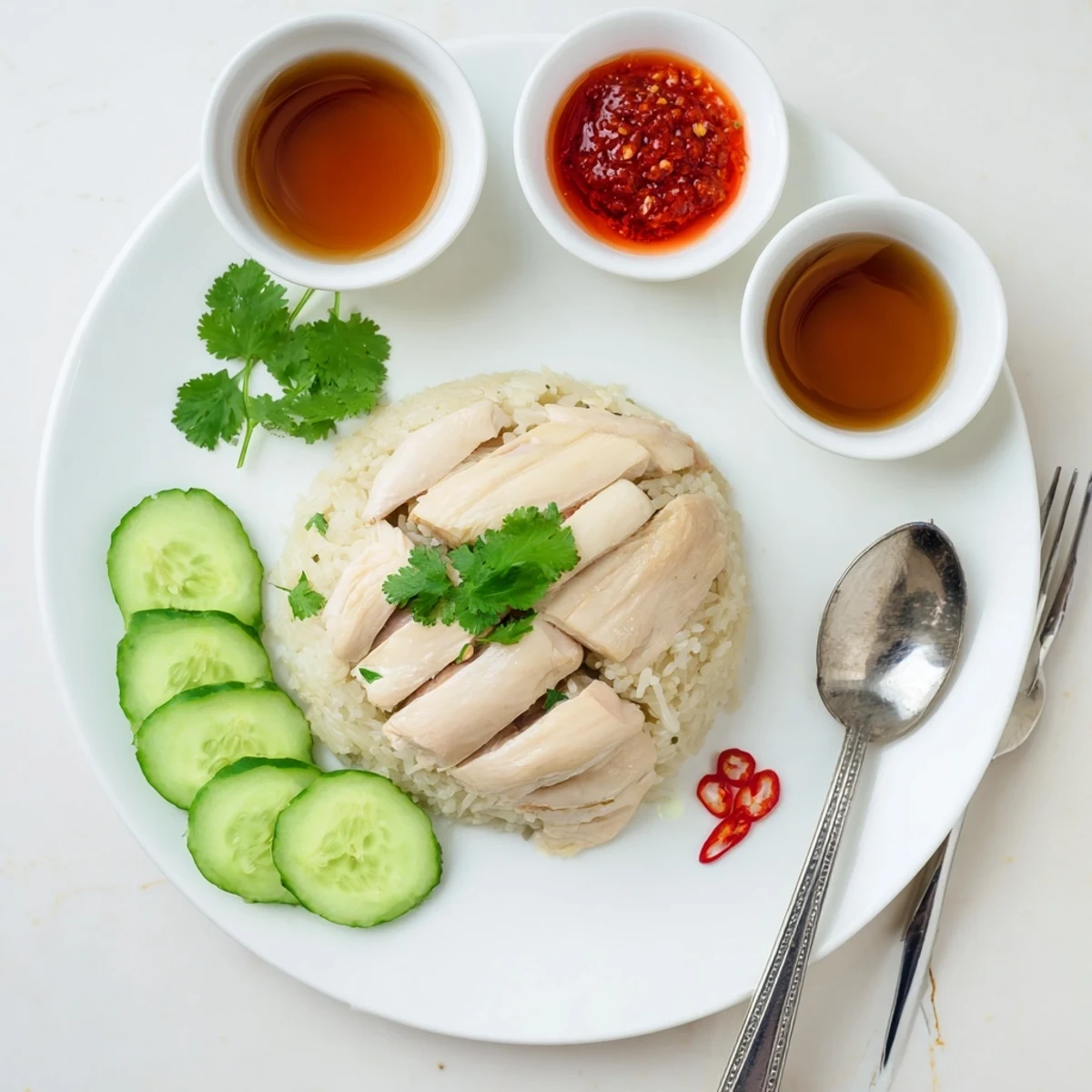
Save This beloved Singaporean classic features poached chicken with incredibly tender meat and silky skin, served alongside fragrant jasmine rice cooked in rich chicken broth with aromatics. The dish comes alive with three essential condiments: a spicy fresh chili sauce, savory soy dipping sauce, and hot broth soup. Perfect for family gatherings, this complete meal delivers layers of flavor through simple techniques like poaching, ice bathing, and rice toasting in chicken fat.
The first time I attempted Hainanese chicken rice, my kitchen filled with such intoxicating aromas that my neighbor actually knocked on the door to ask what I was cooking. That smell of ginger and garlic wafting through the building is half the magic of this dish. I've since learned that the real secret lies in taking your time with the broth and not rushing the poaching process. My family now requests this for birthday dinners instead of cake.
Last winter, during a particularly gloomy week, I decided to make this dish and invited my sister over. We sat at the counter, chopsticks in hand, dipping chicken into the various sauces and just letting the comforting warmth thaw us out. She took one bite of the rice and literally went quiet for a full minute. That moment of shared contentment over something so simple is what cooking is all about.
Ingredients
- Whole chicken: The bone and skin create the most flavorful broth, so do not use boneless pieces here
- Fresh ginger: Buy a large hand since you will need it for the poaching liquid, rice, and sauces
- Jasmine rice: Rinse until the water runs clear for fluffy, separate grains every time
- Chicken fat: Render the fat from your chicken skin for the most authentic rice flavor
- Fresh chilies: Adjust the heat level to your preference, but do not skip the chili sauce entirely
- Lime juice: Fresh squeezed makes a huge difference in cutting through the rich flavors
Instructions
- Prepare the chicken:
- Rub the salt all over the chicken as if you are giving it a gentle massage, then rinse thoroughly. This step helps remove any gamey taste and ensures clean flavors.
- Create the poaching broth:
- Fill your largest pot with cold water and add the ginger slices and scallion pieces. Bring everything to a rolling boil before adding the chicken.
- Poach to perfection:
- Lower the chicken carefully into the boiling water, then immediately reduce heat to the gentlest simmer possible. Cover and cook for 40 to 50 minutes, skimming any foam that rises to the top.
- The ice bath trick:
- Transfer the cooked chicken immediately into a bowl of ice water to stop the cooking process. This shocking technique creates that signature smooth, springy skin texture.
- Cook the aromatic rice:
- Sauté minced garlic and ginger in chicken fat until fragrant, then add the rinsed rice and stir until every grain is coated. Cook with the reserved broth for the most flavorful results.
- Blend the sauces:
- Combine all chili sauce ingredients in a blender until smooth, then whisk together the simple soy dipping sauce in a small bowl.
- Assemble and serve:
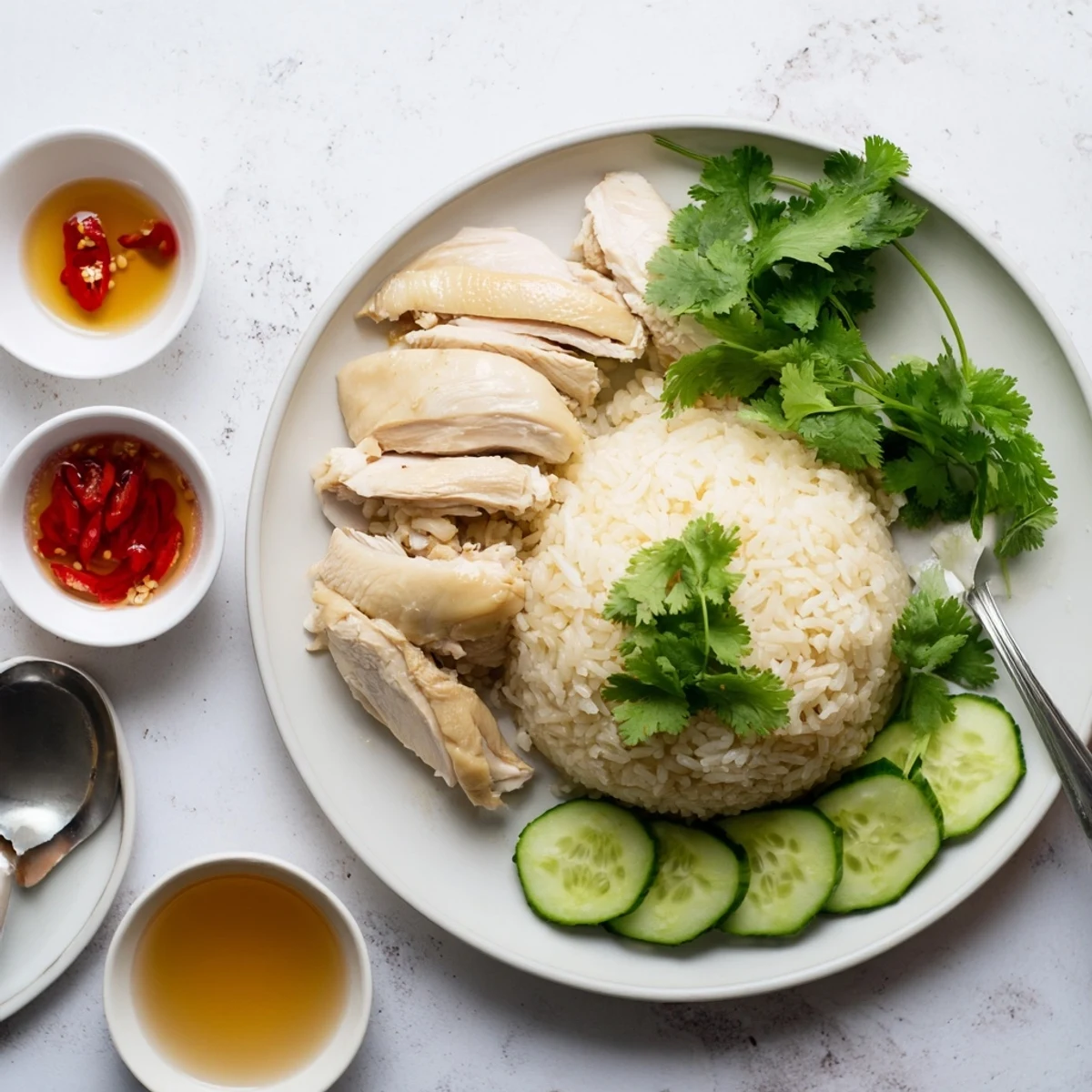
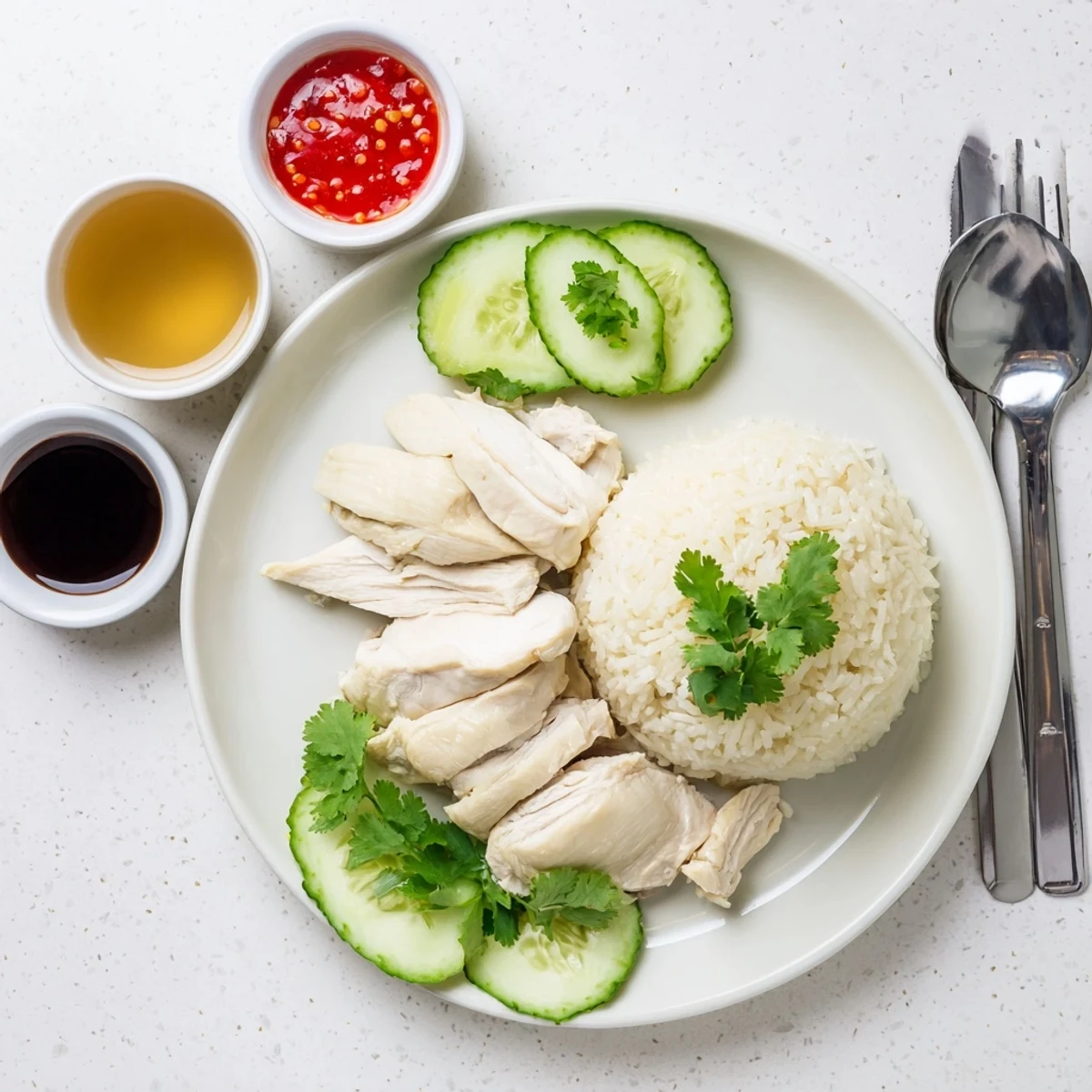
- Chop the chicken into bite sized pieces and arrange over the fragrant rice. Garnish generously and serve with all three sauces plus a small bowl of hot broth.
 Save
Save This recipe has become my go to for homesick friends who grew up eating this dish in Singapore or Malaysia. Watching their faces light up at that first taste brings me more joy than almost anything else I cook. Food really is the shortest distance between hearts.
Getting That Restaurant Quality Chicken
The key to tender, juicy chicken is maintaining that gentle simmer throughout cooking. If the water boils too vigorously, the meat will become tough and dry. I usually lift the lid once or twice to baste the chicken with the hot liquid, ensuring even cooking.
Mastering The Rice
Good Hainanese chicken rice stands entirely on the quality of the rice itself. Do not rush the sautéing step with the garlic and ginger, and definitely use rendered chicken fat if possible. The rice should have just the right amount of moisture and each grain should be perfectly separate.
Sauce Balancing Act
The three sauces create a complete flavor profile when combined on your plate. The chili brings heat, the soy adds depth, and the hot broth provides comfort. Learning to balance all three in a single bite is what makes this dish so endlessly interesting to eat.
- Make the chili sauce ahead of time so the flavors can meld together
- Always serve everything piping hot for the best experience
- Extra broth on the side helps moisten any dry portions
 Save
Save I hope this recipe becomes a staple in your kitchen the way it has in mine. There is something profoundly satisfying about a dish that nourishes both body and soul so completely.
Your Recipe Questions Answered
- → What makes the rice so fragrant?
-
The rice gets its signature aroma from being cooked in chicken poaching broth infused with garlic, ginger, and chicken fat. The grains are first toasted in these aromatics before simmering, absorbing all the savory flavors.
- → Why do you ice bath the chicken?
-
Plunging the cooked chicken into an ice bath stops the cooking process immediately, preventing the meat from becoming tough. It also firms up the skin, giving it that characteristic silky texture prized in this dish.
- → Can I use chicken parts instead of a whole chicken?
-
Absolutely. Chicken thighs, drumsticks, or bone-in breasts work beautifully. Adjust poaching time to 25-35 minutes depending on the cuts used. The broth will still be rich enough for cooking the rice.
- → What can I substitute for chicken fat?
-
Vegetable oil or neutral oil works perfectly. For authentic flavor, try rendering some chicken skin or trimmings to create your own fat. Duck fat also adds wonderful depth if available.
- → How spicy is the chili sauce?
-
The heat level depends on your chilies. For medium heat, use larger red chilies and remove all seeds. For spicier kick, include some seeds or use bird's eye chilies. You can always adjust by adding more lime juice or sugar to balance.
- → Is this dish gluten-free?
-
The main dish is naturally gluten-free, but traditional soy sauce contains wheat. Use tamari or coconut aminos in both the dipping sauce and chili sauce to make it completely gluten-free while maintaining the savory umami flavor.