
 Save
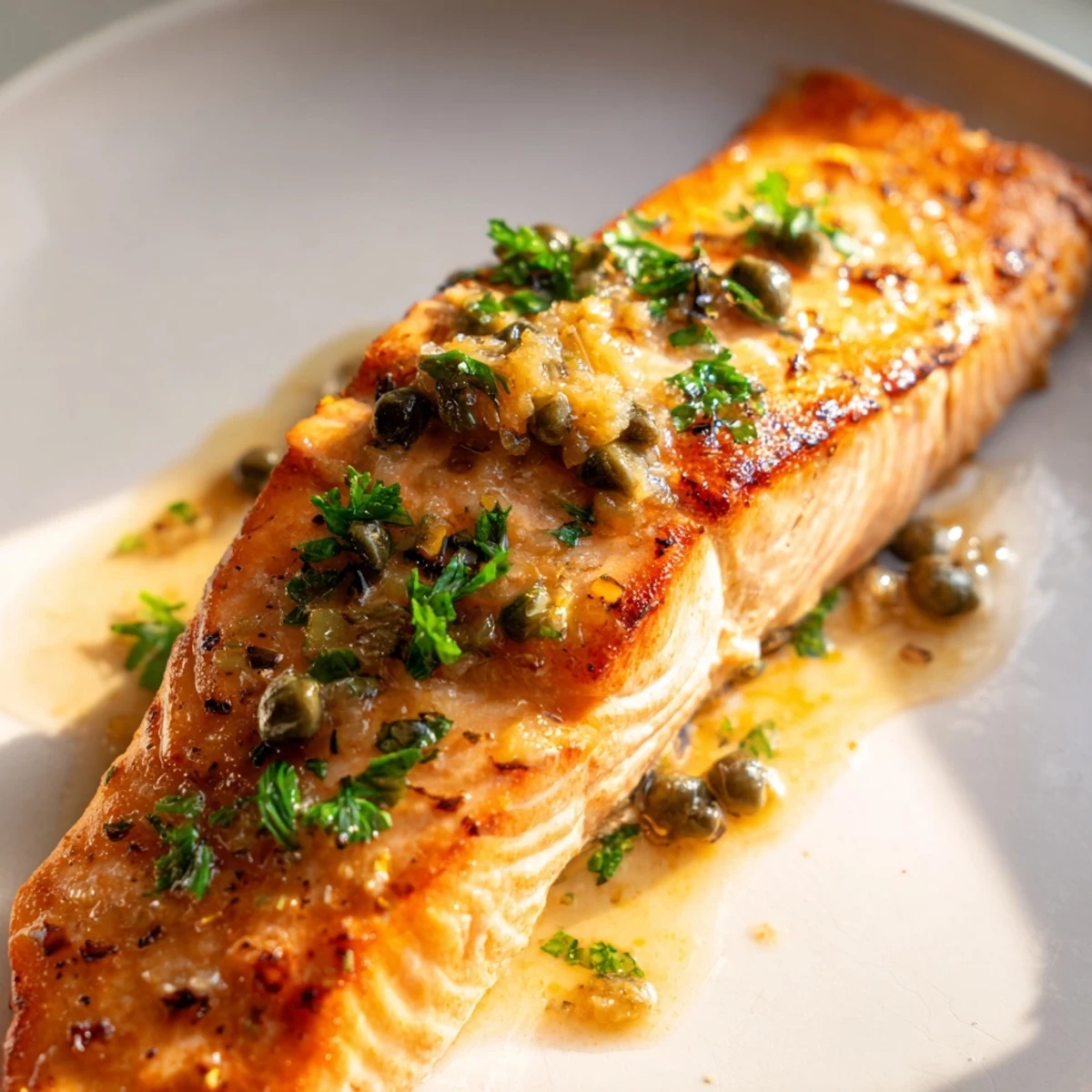
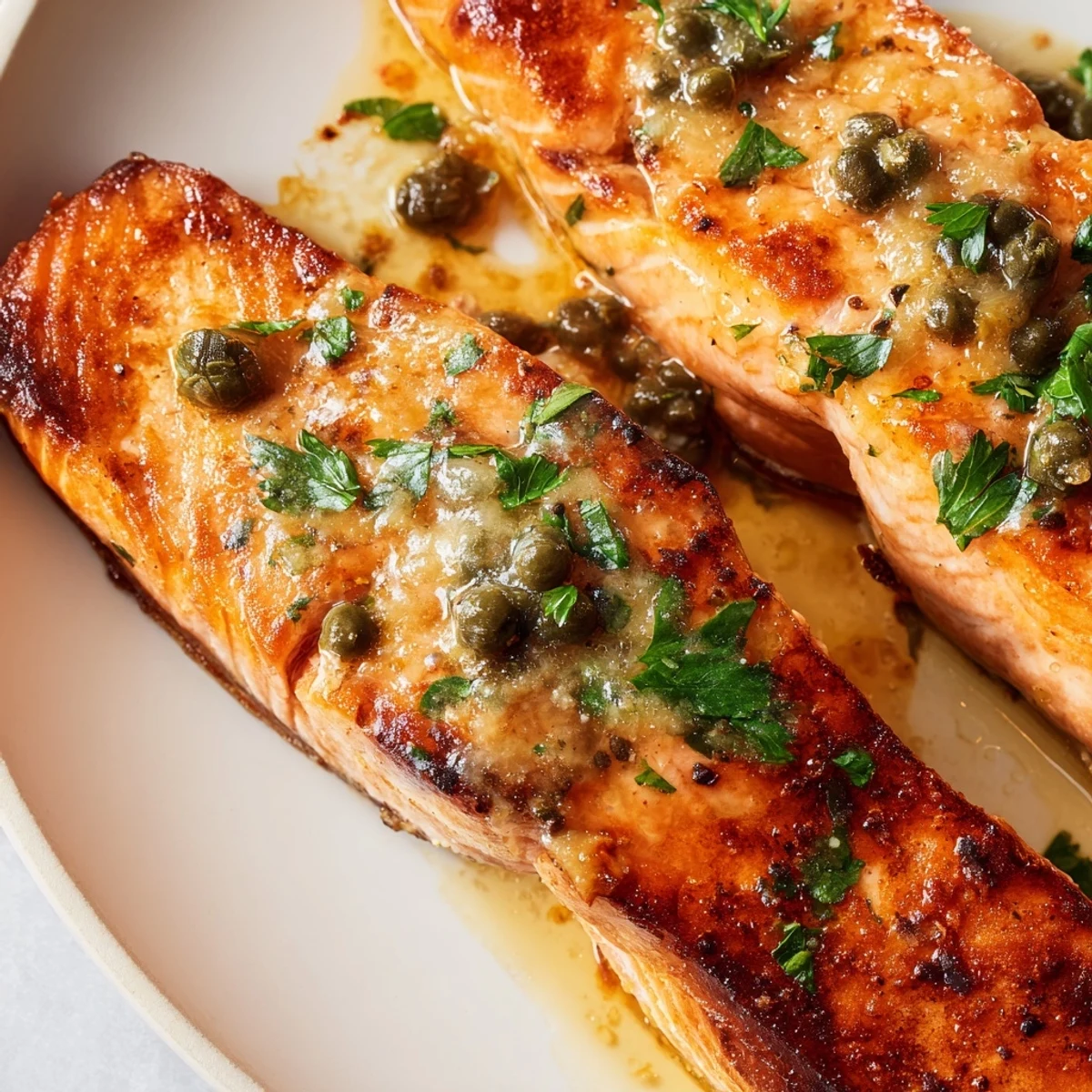
Save Achieve restaurant-quality results with this classic preparation featuring perfectly crispy skin and tender, flaky fish. The technique involves starting skin-side down to render the fat and create that coveted crunch, then finishing with a luxurious emulsified butter sauce infused with garlic, capers, and fresh herbs. The high-heat sear locks in moisture while the basting technique ensures every bite is infused with flavor. Serve with blanched seasonal vegetables for a complete, elegant meal that comes together in under 25 minutes.
I'd watched enough cooking shows to know that perfectly crispy salmon skin was somehow the mark of a competent home cook, yet every attempt I'd made resulted in soggy, rubbery disappointment. Then one rainy Tuesday, feeling rather defeated after a long day at work, I decided to follow Gordon Ramsay's method precisely without taking any shortcuts. The sound of that skin hitting the hot pan changed everything for me.
My partner came into the kitchen that evening, drawn by the sound of sizzling butter and the smell of garlic, and asked what had gotten into me. We ate standing at the counter because waiting to plate it properly seemed impossible once that golden skin was staring back at us.
Ingredients
- 2 skin-on salmon fillets: The skin is absolutely essential here, it's where all the crispy magic happens
- Sea salt and black pepper: Season generously, this is your foundation of flavor
- 2 tbsp olive oil: Has a higher smoke point than butter, preventing that burnt taste during the initial sear
- 1 tbsp unsalted butter: Added later for basting, gives the salmon that restaurant finish and richness
- 1 garlic clove, crushed: Infuses the butter sauce without overpowering the delicate fish
- 1 tbsp capers, rinsed: These little briny pearls add pops of brightness that cut through the rich butter
- Juice of 1/2 lemon: Fresh acid balances the fat and makes everything sing
- 2 tbsp chopped fresh parsley: Brings color and a fresh, grassy note to finish the dish
- 200 g tenderstem broccoli or asparagus: Quick cooking vegetables that pair perfectly with the rich salmon
Instructions
- Prep your salmon for success:
- Pat those fillets completely dry with kitchen paper, then season both sides generously with salt and pepper, letting them sit while you heat your pan
- Get your pan properly hot:
- Heat olive oil in a large non-stick frying pan over medium-high heat until it shimmers but doesn't smoke
- Start with the skin down:
- Place salmon skin-side down in the hot pan and press firmly with a spatula for 10 seconds to prevent curling
- Let the skin crisp up:
- Cook without touching for 5 to 6 minutes until the skin is golden and crispy and the fish is cooked two-thirds up the side
- Flip and add your aromatics:
- Turn the salmon carefully, add butter and crushed garlic to the pan, letting it foam and become fragrant
- Baste like a chef:
- Tilt the pan and spoon the bubbling butter over the salmon repeatedly for 1 to 2 minutes until just cooked through
- Finish with brightness:
- Add capers and lemon juice to the pan, spooning the sauce over the fish one last time, then sprinkle with parsley
- Cook your vegetables:
- While salmon rests, blanch broccoli or asparagus in boiling salted water for 2 to 3 minutes until just tender
 Save
Save That dinner became our go-to celebration meal, the thing we make when good news arrives or when we simply need to remind ourselves that we're capable of creating something beautiful.
Choosing The Right Salmon
I've learned through trial and error that wild salmon cooks faster than farmed and has a more pronounced flavor, while farmed Atlantic salmon tends to be richer and more forgiving. Look for fillets with bright, firm flesh and skin that looks intact rather than torn.
Getting The Timing Right
The salmon continues cooking slightly after you remove it from the pan, so I always take mine off when there's just a tiny bit of translucency in the center. Trust your senses more than the clock and remember you can always cook it more but you can never undo overcooked fish.
Wine Pairings And Sides
A chilled glass of Sauvignon Blanc cuts beautifully through the rich butter sauce while complementing the salmon's natural sweetness. For sides, roasted new potatoes or a simple arugula salad dressed with olive oil and lemon work wonderfully alongside the blanched vegetables.
- Add a sprig of fresh thyme or dill to the butter for an extra layer of herbal flavor
- Keep the butter at a gentle foam rather than letting it brown too deeply
- Reserve a bit of the sauce to drizzle over your vegetables before serving
 Save
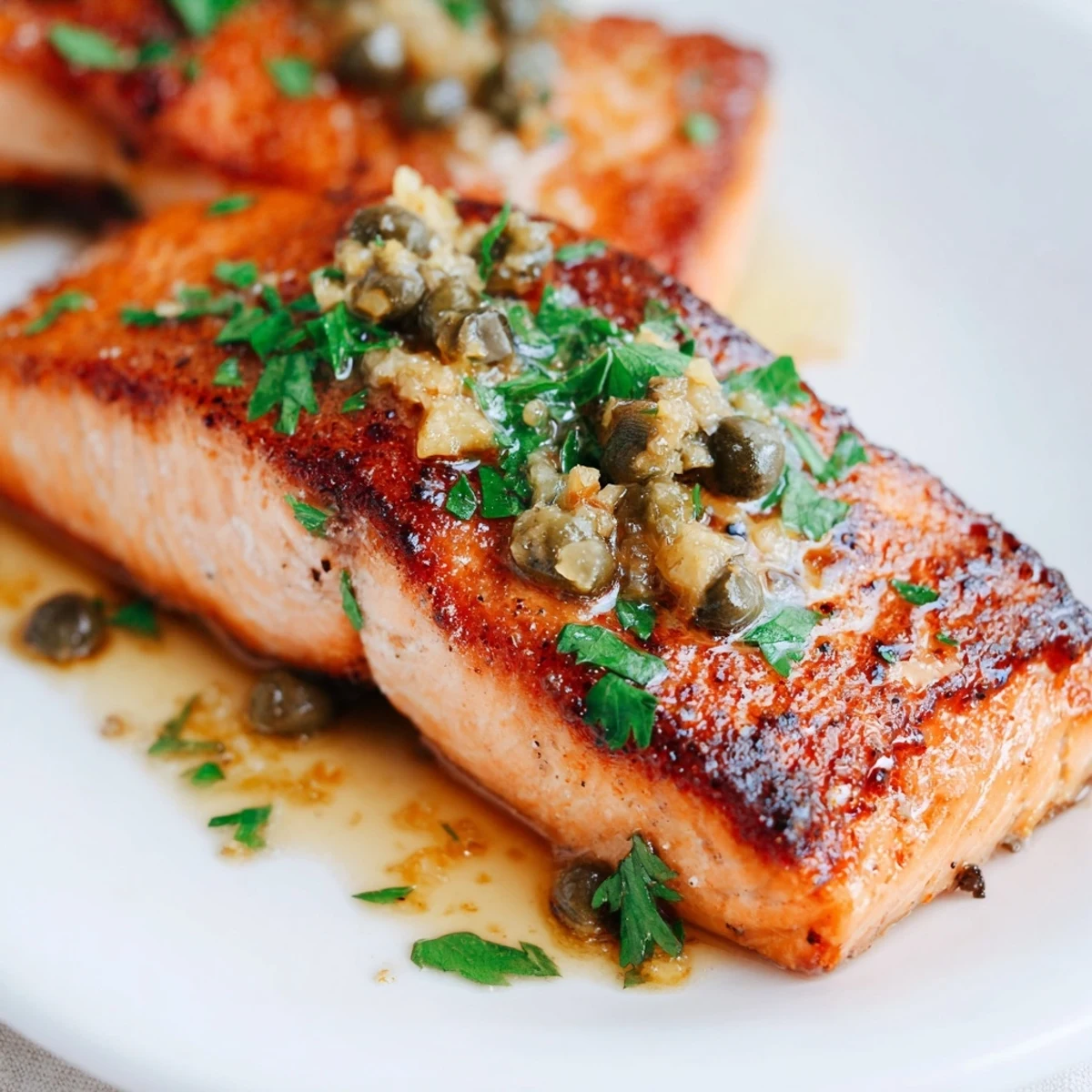
Save There's something deeply satisfying about a dish that looks and tastes impressive but comes together in under half an hour on a weeknight.
Your Recipe Questions Answered
- → How do I get really crispy salmon skin?
-
Start with thoroughly dried skin, press firmly into the hot pan for the first 10 seconds to prevent curling, and resist the urge to move it. Let the skin render undisturbed for 5-6 minutes until golden and audible crunching occurs when you tap it.
- → What's the purpose of basting with butter?
-
Basting spoons the foaming butter and garlic over the fish, infusing flavor while gently cooking the top. This technique keeps the salmon moist and creates an instant sauce in the pan.
- → Can I use frozen salmon fillets?
-
Yes, but thaw completely and pat extremely dry before cooking. Frozen fish releases more moisture, which can prevent proper crisping. Allow extra time for drying if using previously frozen fillets.
- → What vegetables pair best with this dish?
-
Tenderstem broccoli, asparagus, green beans, or haricots verts work beautifully. Quick-blanching maintains their bright color and slight crunch, complementing the rich salmon and butter sauce.
- → How do I know when the salmon is perfectly cooked?
-
The flesh should turn opaque and flake easily with a fork, with a slight translucency at the center. The internal temperature should reach 125°F for medium-rare or 130°F for medium. Remember it continues cooking off the heat.
- → What wine complements this salmon?
-
A crisp Sauvignon Blanc cuts through the rich butter, while an oaky Chardonnay complements the basted preparation. For red wine drinkers, a light Pinot Noir works without overpowering the delicate fish.