
 Save
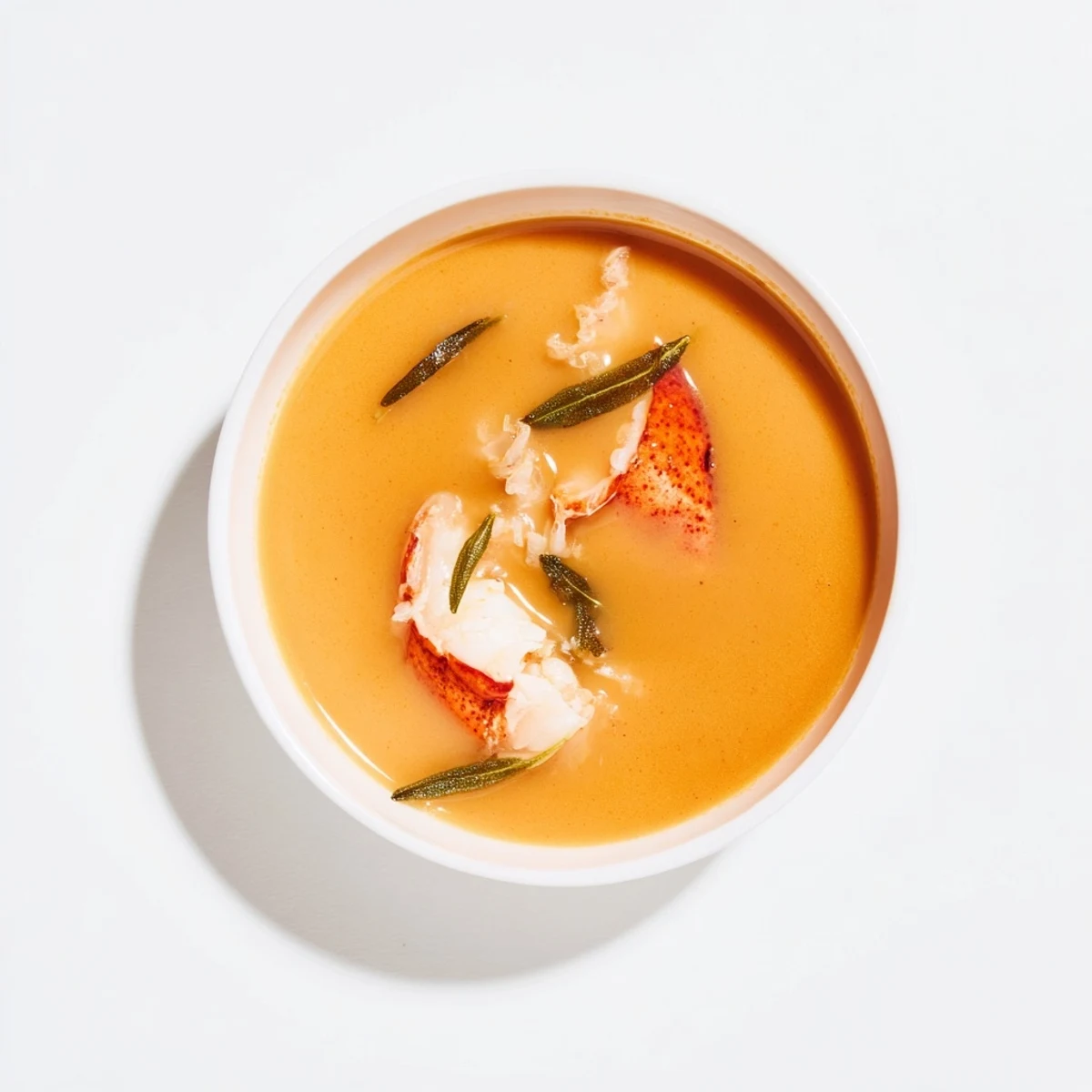
Save This elegant French soup transforms fresh lobster into a velvety, intensely flavored bisque. The process begins by briefly boiling live lobsters, then extracting meat while reserving shells for the base. Aromatic vegetables including onion, celery, carrot, leek, and fennel create a flavorful foundation, enhanced with tomato paste, garlic, and fresh herbs. The signature technique involves flambéing brandy before adding white wine and stock, then simmering shells to extract maximum flavor. After blending and straining, heavy cream creates the signature silky texture. The finished bisque features tender lobster pieces, seasoned with salt, pepper, cayenne, and bright lemon juice.
The kitchen filled with that unmistakable ocean aroma as I dropped two bright red lobsters into boiling water during my first attempt at restaurant-quality bisque. My hands shook slightly when the chef suggested flambéing with brandy, but watching those blue flames dance across the pot taught me more about building depth than any cookbook could. Now whenever I make this soup, I remember how something so luxurious starts with such humble vegetable scraps and patience.
Served this at a dinner party last winter and watched my usually quiet friend literally scrape her bowl clean with a spoon. Theres something about a soup this velvety and rich that makes people lean in a little closer across the table, conversations getting softer as everyone focuses on their bowl.
Ingredients
- 2 live lobsters: About 1½ lbs each gives you enough meat for serving plus essential shells for building that deep ocean flavor base
- 1 bay leaf and 1 tsp black peppercorns: These simple aromatics infuse the poaching liquid with subtle background notes
- 2 tbsp olive oil: The foundation for sautéing your vegetable base into sweetness
- 1 onion, 2 celery stalks, 2 carrots: Classic mirepoix creates the aromatic backbone of French cooking
- 1 leek and 1 fennel bulb: These add sophisticated sweetness and depth that elevate bisque above ordinary soup
- 3 garlic cloves, minced: Pungent aroma bridges the gap between vegetables and seafood
- 2 tbsp tomato paste: Concentrated umami and that signature reddish orange hue
- 1 sprig fresh thyme and tarragon: These herbs bring fresh floral notes that cut through the richness
- ½ cup brandy or cognac: The flambé step caramelizes the alcohol into incredible depth
- 1 cup dry white wine: Bright acidity balances the cream and sweet shellfish
- 4 cups fish or lobster stock: Liquid gold that carries all those concentrated flavors
- 1 cup heavy cream: Transforms this from flavored broth into silky indulgence
- Salt, pepper, pinch of cayenne, lemon juice: Final seasonings that make everything pop
Instructions
- Prepare the Lobster:
- Bring a large pot of salted water to boil with bay leaf and peppercorns. Add live lobsters, cover, and cook 6 to 8 minutes until bright red. Remove with tongs and let cool, reserving ½ cup cooking liquid.
- Extract the Meat:
- Twist off tails and claws, crack shells, remove meat in bite sized pieces, and set aside. Keep every shell though—that pure concentrated flavor is what makes bisque extraordinary.
- Build the Base:
- Heat olive oil in a large pot over medium heat. Add onion, celery, carrots, leek, and fennel. Cook 5 to 7 minutes until softened and fragrant.
- Add Depth:
- Stir in garlic and tomato paste, cooking 2 minutes until the paste darkens slightly. Toss in lobster shells, thyme, and tarragon, sautéing 5 minutes while the shells toast and release aroma.
- The Magic Flambé:
- Pour in brandy and carefully ignite with a long lighter, letting flames burn off alcohol. Once flames subside, add white wine and reserved lobster liquid, then pour in stock and simmer 30 to 40 minutes.
- Strain and Puree:
- Remove from heat, discard herb sprigs, blend with an immersion blender, then strain through a fine sieve into a clean pot, pressing firmly to extract every drop of liquid.
- Finish with Cream:
- Bring strained bisque to gentle simmer, stir in heavy cream, season with salt, pepper, and cayenne, then add chopped lobster meat, reserving pieces for garnish.
- Final Touch:
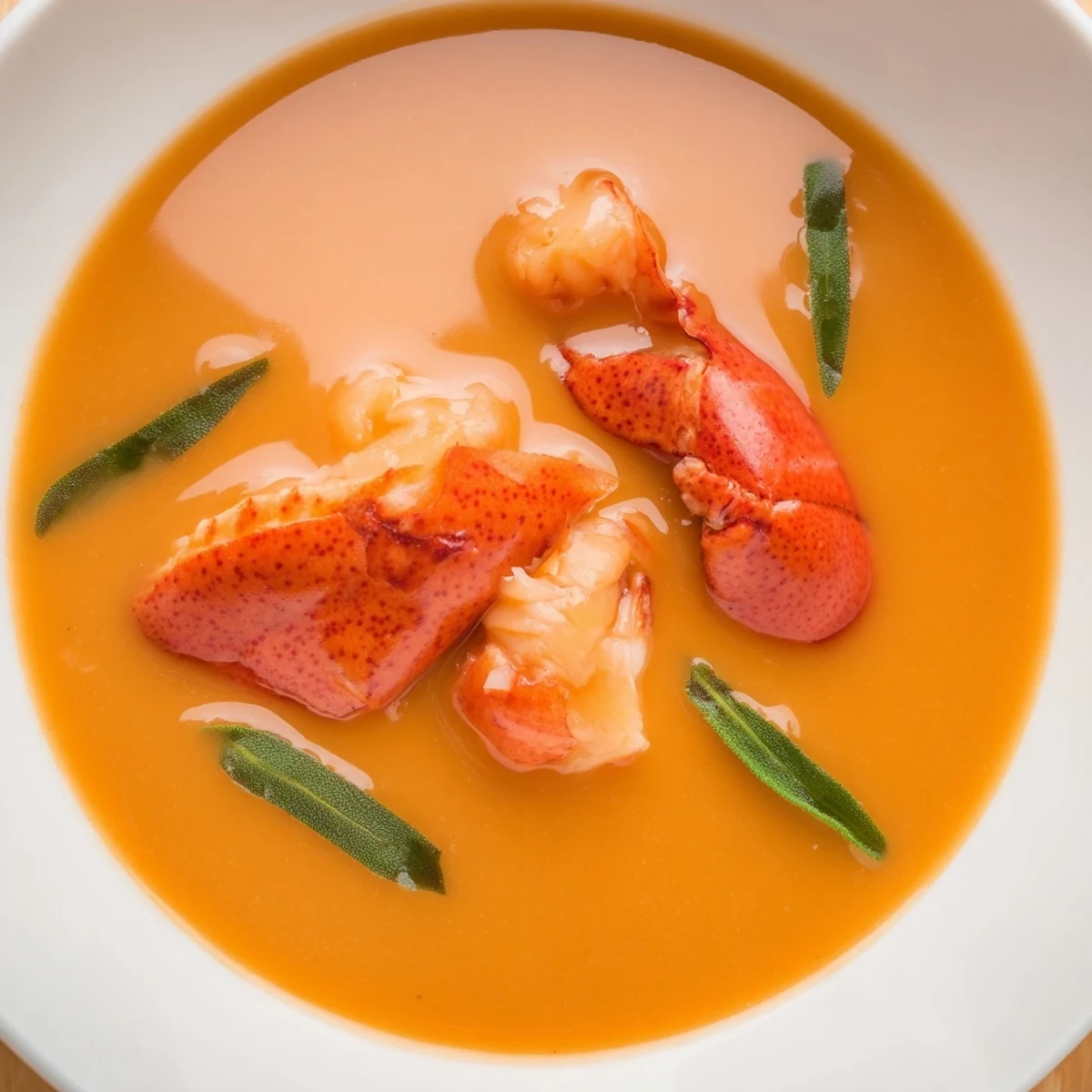
- Simmer 2 to 3 minutes to heat through, taste, adjust with lemon juice, then ladle into warm bowls topped with reserved lobster and tarragon leaves.
 Save
Save This soup has become my answer to fancy dinner parties where I want to impress without spending the entire evening chained to the stove. Something about serving lobster bisque makes regular weeknight dining feel like a special occasion.
Making It In Advance
The bisque base actually improves overnight, giving flavors time to marry and deepen. Make everything up to adding the cream and lobster meat, then refrigerate for up to 2 days. Reheat gently, stir in cream, finish with meat, and no one will know you didnt just spent hours at the stove.
Wine Pairing Magic
A crisp Chardonnay echoes the creamy richness while cutting through it with bright acidity. Something buttery but still refreshing works beautifully, letting those sweet shellfish notes shine without competing. The same white wine you cook with makes an effortless table match.
Texture Secrets
That double strain through your finest sieve transforms good soup into something ethereal and professional. Most home cooks skip this step and wonder why their bisque lacks that signature velvety finish.
- Roasting shrimp shells with lobster shells creates even more depth if you want extra richness
- A splash of sherry instead of brandy offers a nuttier, more complex finish that some prefer
- Always serve in warmed bowls—cold soup kills the luxurious effect instantly
 Save
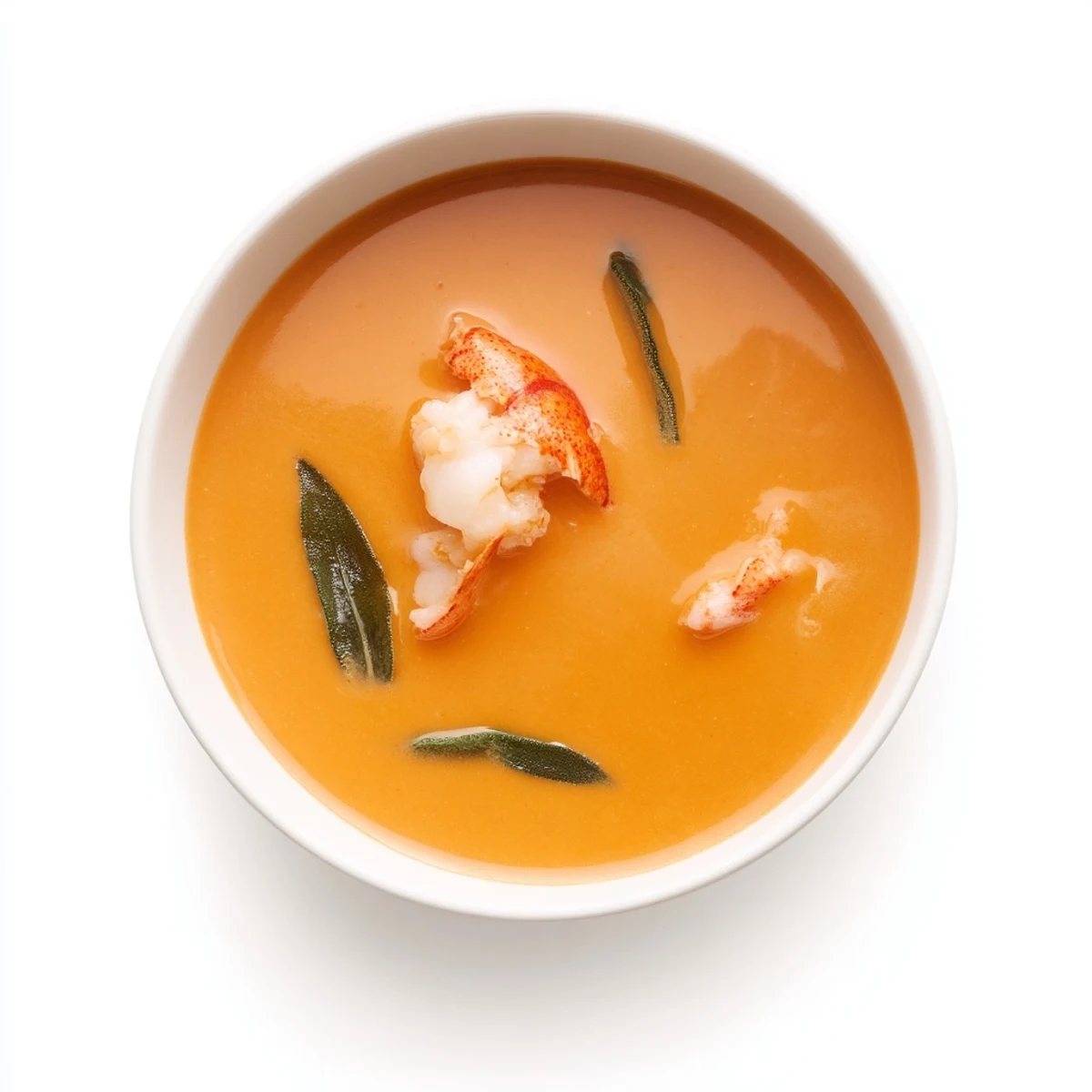
Save Theres nothing quite like watching someone take that first spoonful and close their eyes in pure enjoyment. This bisque turns soup into an experience.
Your Recipe Questions Answered
- → What makes this bisque authentic?
-
True French bisque uses shellfish shells to create a deeply flavored base, flambéed brandy for complexity, and cream for luxurious texture. The double-straining technique ensures silky smooth results.
- → Can I prepare this ahead?
-
Yes, make the base up to 2 days in advance and refrigerate. Add cream and lobster meat when reheating to prevent dairy from separating and meat from becoming tough.
- → What wine pairs best?
-
A crisp Chardonnay complements the richness beautifully, while Sauvignon Blanc cuts through the cream. Choose well-chilled whites to contrast the warm, velvety bisque.
- → Why flambé the brandy?
-
Flambéing burns off alcohol while caramelizing sugars, adding subtle depth and complexity that simply simmering cannot achieve. It's a classic French technique.
- → Can I substitute ingredients?
-
Shrimp or crab shells work in place of lobster. Sherry can replace brandy. For lighter versions, use half-and-half instead of heavy cream, though texture will differ.
- → How do I achieve silky texture?
-
Roast shells first for depth, blend thoroughly until completely smooth, then strain through fine mesh. Double-straining ensures no fibrous bits remain, creating restaurant-quality results.