
 Save
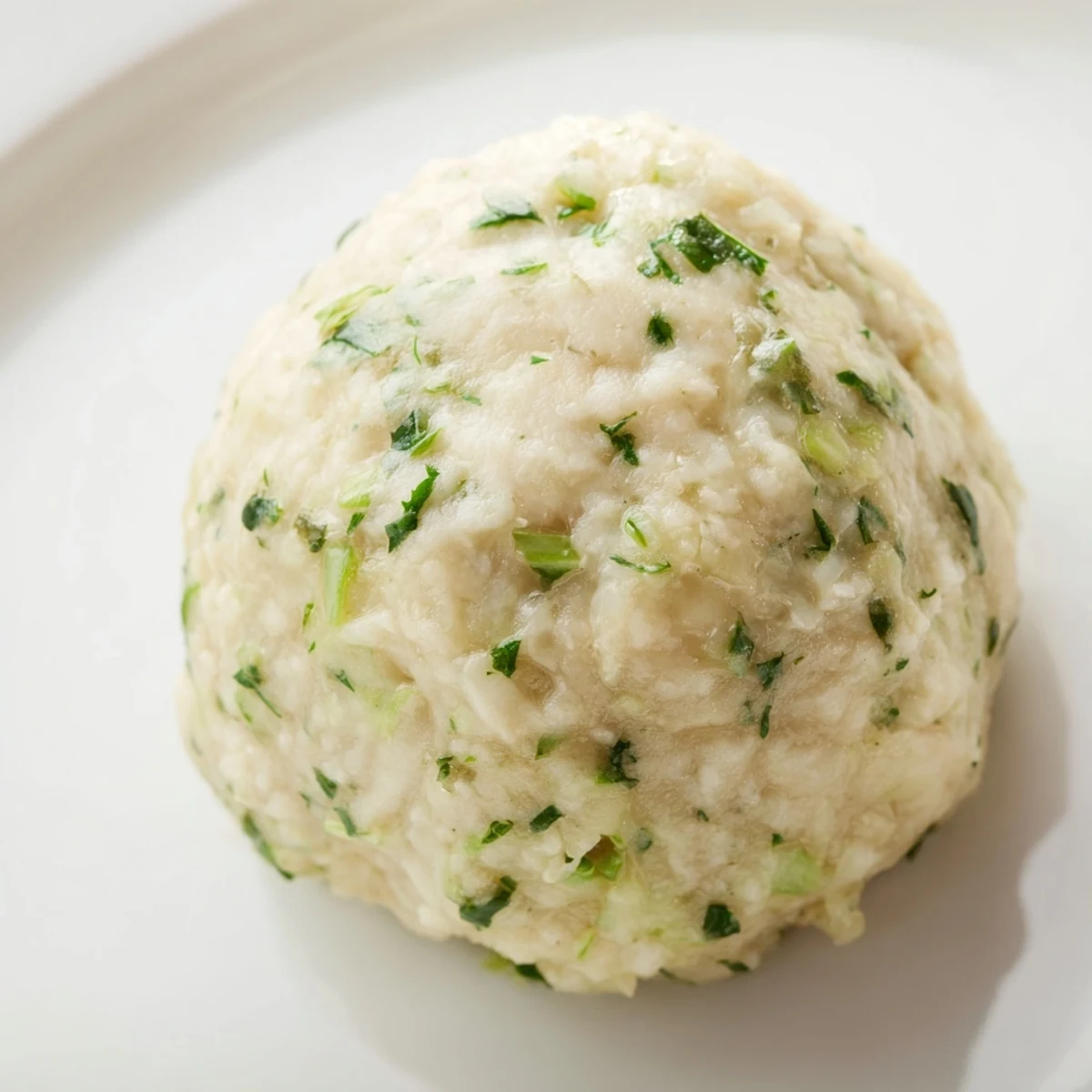
Save These traditional German cabbage dumplings feature tender, fluffy textures achieved by combining soaked bread with softened cabbage, eggs, and warm spices like nutmeg. The dumplings are gently simmered in vegetable broth until firm, creating a comforting dish that works beautifully as either a main course or hearty side.
Key to success is allowing the cabbage mixture to cool slightly before incorporating it into the dough, and maintaining a gentle simmer rather than boiling to prevent the dumplings from breaking apart. The result is light, savory dumplings with a delicate balance of flavors.
The tiny kitchen in my Berlin apartment smelled like butter and cabbage for three days straight after I first attempted these dumplings. My neighbor Renate, who'd grown up eating them every Sunday, told me mine were passable but maybe too dense. She showed me how to gently fold the bread instead of mashing it, and suddenly everything changed.
Last winter I made a double batch for a snowed-in dinner, and my usually skeptical brother ate four without saying a word. The way the nutmeg hits the back of your throat makes the whole house feel cozy, like someone lit a candle you cant see.
Ingredients
- Green cabbage: Shred it finer than you think you need to, so it virtually melts into the dumpling
- Day-old white bread: The slightly stale texture absorbs milk without turning into paste
- Whole milk: Creates tenderness that low-fat versions somehow never achieve
- Unsalted butter: Start the cabbage in this instead of oil for depth you cant fake
- Large eggs: Room temperature eggs bind everything together without making it rubbery
- All-purpose flour: Just enough to hold the dumplings together, not enough to make them heavy
- Ground nutmeg: The secret warmth that makes people ask what you did differently
- Fresh parsley: Adds little flecks of color and a fresh brightness against the rich dumpling
- Vegetable broth: Simmering liquid that becomes part of the dumpling's soul
Instructions
- Cook the cabbage filling:
- Melt butter in a large skillet over medium heat and sauté diced onion until translucent, about 2 to 3 minutes. Add shredded cabbage and a pinch of salt, cooking for 10 to 12 minutes until softened and fragrant. Let it cool slightly while you prepare the bread mixture.
- Prepare the bread base:
- Combine bread cubes with milk in a large bowl, letting them soak for 5 to 10 minutes until completely soft. Gently mash with a fork, leaving some small texture visible rather than turning it into a smooth paste.
- Form the dumpling dough:
- Add eggs, flour, nutmeg, pepper, salt, parsley, and the cooled cabbage mixture to the soaked bread. Mix by hand until just combined, being careful not to overwork the dough into toughness.
- Shape into rounds:
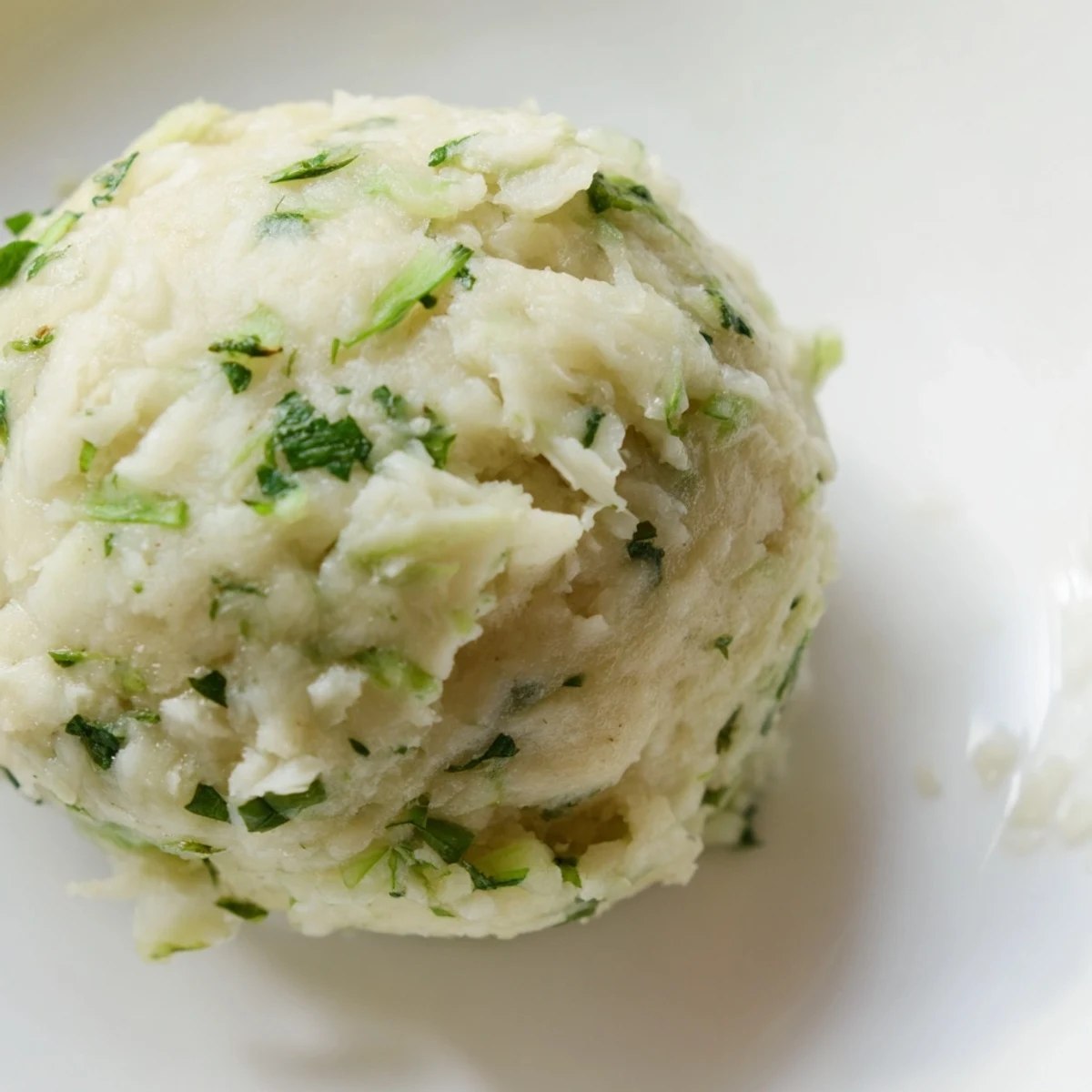
- Wet your hands with cold water and scoop portions of the mixture, shaping them gently into 8 round dumplings. The dampness prevents sticking while you work.
- Simmer gently:
- Bring vegetable broth to a gentle simmer, not a rolling boil, and carefully lower the dumplings into the liquid. Cook for 18 to 20 minutes until they feel firm and spring back when touched.
- Serve while hot:
- Lift dumplings from the broth with a slotted spoon, letting them drain briefly. Serve immediately, perhaps with a little melted butter or a simple mushroom sauce.
 Save
Save My grandmother would say the dumplings were done when they danced to the surface, but I learned to trust the gentle press test instead. When they bounce back slightly, they are ready.
Making Them Your Own
Sometimes I swap half the white bread for dark rye when I want something more rustic and earthy. The dumplings turn a gentle beige and taste like they came from an old farmhouse kitchen.
The Simmering Secret
Keep the broth at the barest simmer, with only bubbles lazily breaking the surface. I ruined my first three batches by rushing this part, watching my carefully shaped dumplings disintegrate into soup.
Serving Ideas
These dumplings deserve to be the star, perhaps with a simple salad dressed in vinegar to cut through their richness.
- Try them with browned butter and poppy seeds for an Austrian twist
- Leftovers reheat beautifully in the microwave, though they are best eaten the same day
- If the dough feels too wet, add another tablespoon of flour, but do not add more than two
 Save
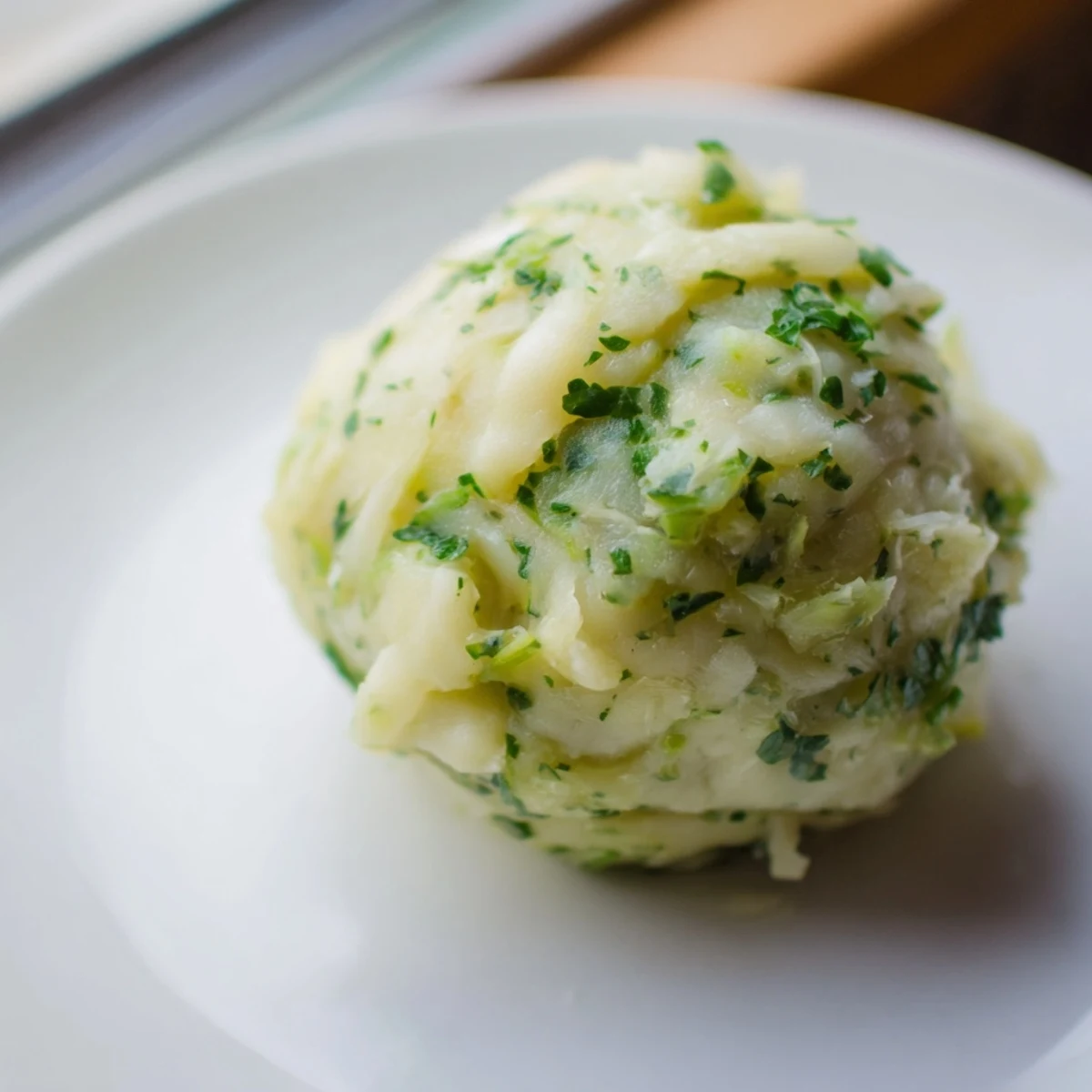
Save There is something deeply satisfying about turning stale bread and modest cabbage into something this special.
Your Recipe Questions Answered
- → How do I know when the dumplings are fully cooked?
-
Dumplings are ready when they feel firm to the touch and float to the surface. This typically takes 18–20 minutes of gentle simmering. You can also cut one open to verify the center is cooked through.
- → Can I make these dumplings ahead of time?
-
Yes, you can shape the dumplings ahead and refrigerate them for up to 4 hours before cooking. Leftover cooked dumplings can be stored in the refrigerator for 2–3 days and reheated gently in simmering broth or pan-fried in butter until golden.
- → What can I serve with German cabbage dumplings?
-
These pair wonderfully with creamy mushroom sauce, melted butter, or rich gravy. They also complement roasted meats, sausages, or can be enjoyed as a vegetarian main with a side of sauerkraut or pickled vegetables.
- → Why do I need day-old bread?
-
Day-old bread absorbs milk better without becoming mushy, creating the ideal texture for dumplings. Fresh bread contains too much moisture and can result in dense, gummy dumplings that don't hold their shape properly.
- → Can I freeze uncooked dumplings?
-
Yes, place shaped dumplings on a baking sheet and freeze until solid, then transfer to a freezer bag. Cook frozen dumplings directly in simmering broth, adding 2–3 minutes to the cooking time. Do not thaw first.
- → What type of cabbage works best?
-
Green cabbage is traditional and provides a mild, slightly sweet flavor. Savoy cabbage also works well and has a more delicate texture. Avoid red cabbage as it will discolor the dumplings.