
 Save
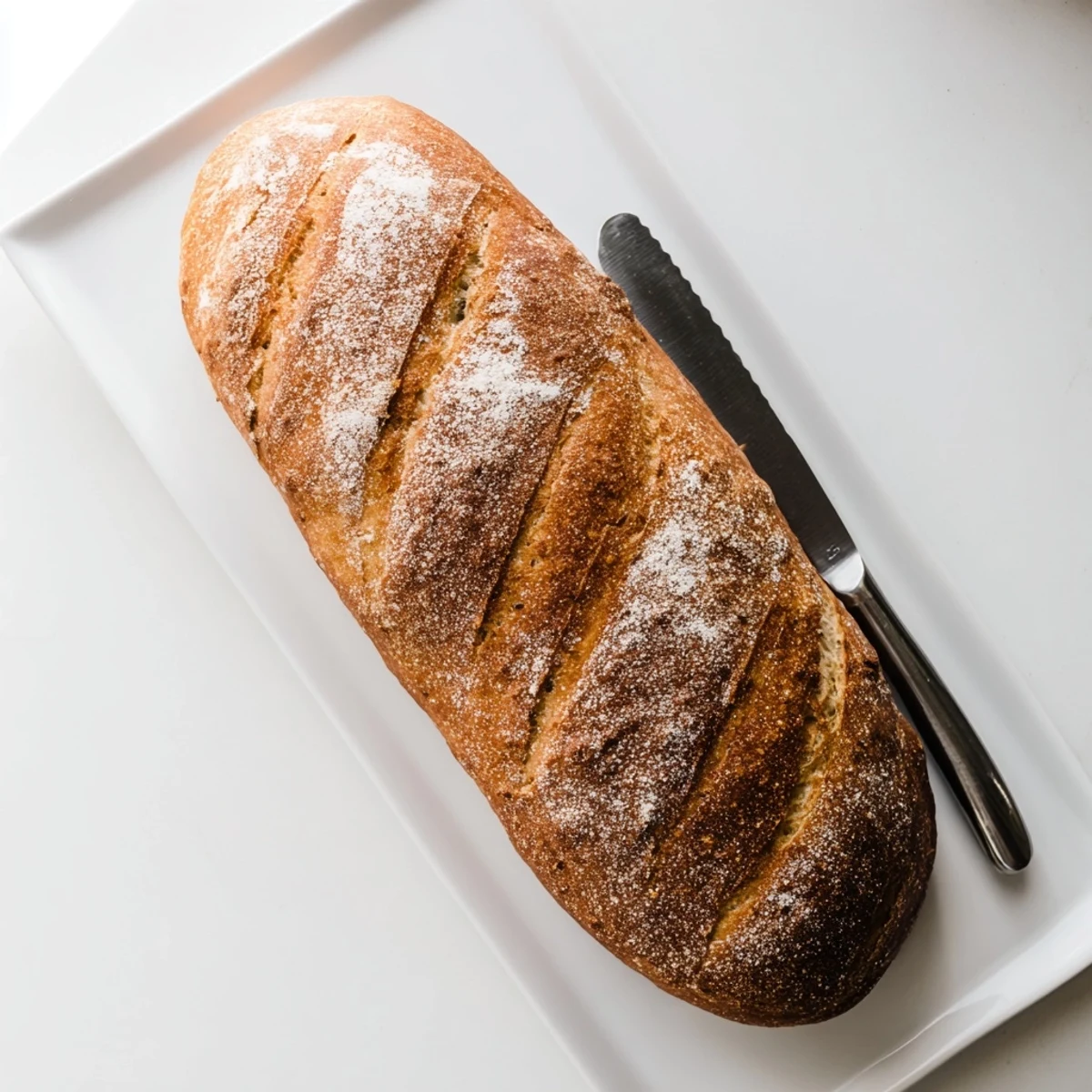
Save This traditional Italian loaf features a signature golden crust that shatters when bitten, revealing a tender, chewy interior with characteristic air pockets. The dough requires just pantry staples—flour, yeast, salt, olive oil, and water—plus patience for proper rising.
The steam-baking technique creates that bakery-quality crust, while the kneading process develops essential gluten structure for perfect texture. One batch yields a generous loaf, ideal for slicing throughout the week or freezing for later enjoyment.
There is nothing quite like the smell of fresh bread filling the whole apartment. I started making this on rainy weekends when going to the bakery felt like too much effort. Now the ritual of kneading dough has become something I actually look forward to. The first time I heard that hollow tap sound against a baked loaf, I felt like I had unlocked some ancient secret.
Last winter my neighbor smelled the bread baking and actually knocked on my door to ask what I was making. We ended up splitting the loaf warm with olive oil, standing in the kitchen and talking for an hour. That is the kind of food this is, something that pulls people toward the kitchen.
Ingredients
- Bread flour: The higher protein content creates that characteristic chewy texture and helps the dough develop proper structure
- Active dry yeast: Make sure your water is warm to the touch but not hot, around body temperature works perfectly
- Olive oil: This keeps the crumb tender and adds a subtle richness that pairs beautifully with the flour
- Salt: Do not forget this ingredient, it is what balances the flavors and keeps the bread from tasting flat
- Cornmeal: Dusting the baking sheet prevents sticking and adds a lovely subtle crunch to the bottom crust
Instructions
- Wake up the yeast:
- Dissolve yeast and sugar in warm water and wait until you see bubbles forming on the surface
- Build the foundation:
- Combine flour and salt in a large bowl, creating a well in the center for the wet ingredients
- Bring it together:
- Mix until shaggy then turn onto a floured surface and knead for 8 to 10 minutes until the dough feels smooth and bounces back when pressed
- Let it rest:
- Place dough in an oiled bowl, cover with a damp towel, and leave in a warm spot until doubled in size
- Shape your loaf:
- Punch down gently, form into a tight oval or round, then let rise again for 45 minutes
- Create the steam:
- Preheat oven with an empty pan on the bottom rack, then pour hot water in just before baking
- Bake to perfection:
- Score the top with a sharp knife, bake at 425°F for 30 to 35 minutes until golden brown
- Cool completely:
- Let the bread rest on a wire rack before slicing to prevent the inside from becoming gummy
 Save
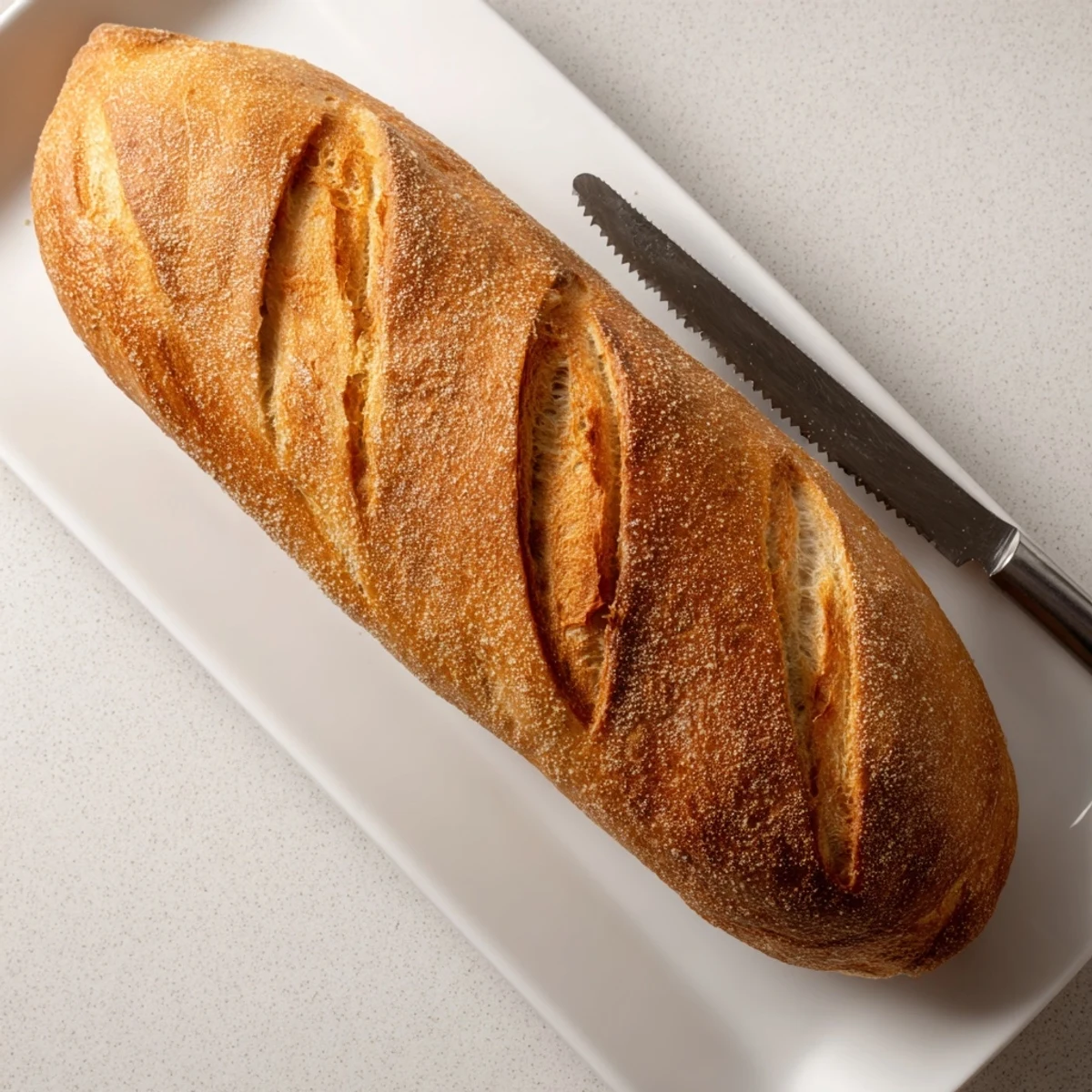
Save This bread has become my go-to for dinner parties because people always ask for the recipe. I love pulling it warm from the oven and watching everyone gather around, unable to resist tearing off a piece.
Making It Your Own
I have found that adding herbs directly to the dough transforms this into something completely different. Rosemary and garlic make it perfect for serving alongside pasta dishes, while a handful of grated Parmesan creates the most incredible savory version.
Freezing And Storing
The trick I learned is to slice the bread before freezing, then you can pull out exactly what you need. Wrap individual slices in plastic, then place them all in a freezer bag. They thaw beautifully at room temperature or can go straight into the toaster.
Serving Suggestions
This bread shines when torn into chunks and dipped in high quality olive oil with a splash of balsamic. Try rubbing a raw garlic clove over warm slices for bruschetta, or simply toast it and top with ripe tomatoes and sea salt.
- The bread keeps well for 2 days at room temperature, wrapped in a cloth bag
- Refresh day old bread by sprinkling with water and heating at 350°F for 10 minutes
- Leftover slices make excellent croutons or bread crumbs for future recipes
 Save
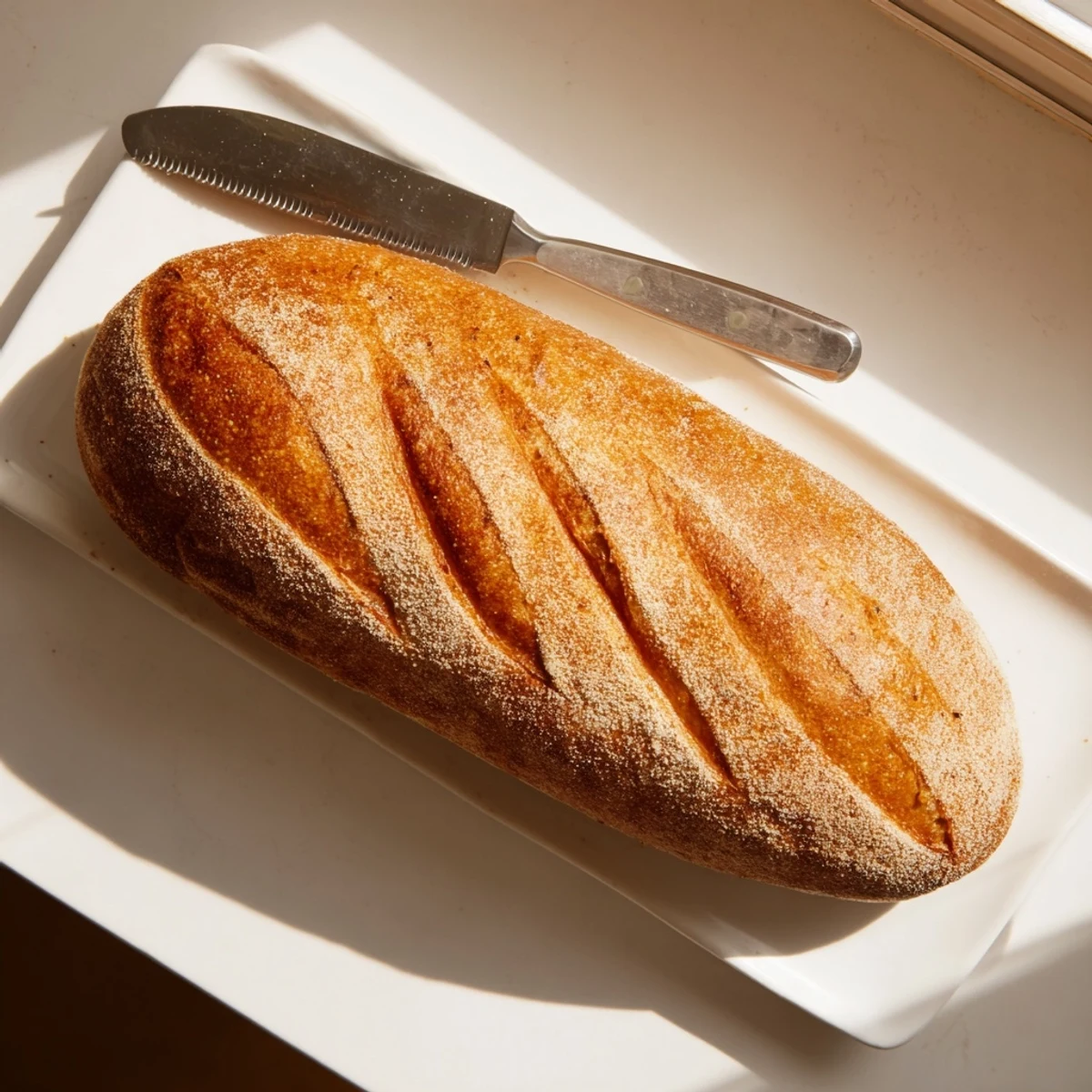
Save There is something deeply satisfying about turning flour, water, and yeast into something so nourishing. I hope this recipe finds its way into your regular kitchen rotation too.
Your Recipe Questions Answered
- → What makes Italian bread different from regular white bread?
-
Italian bread typically has a thicker, crunchier crust and chewier interior due to higher hydration dough and steam baking. The simplicity of ingredients—just flour, water, yeast, salt, and olive oil—lets the wheat flavor shine through without enrichments like milk or sugar.
- → Why is steam used when baking this loaf?
-
Steam keeps the oven environment humid during the first minutes of baking, which allows the dough to expand fully before the crust sets. This creates a lighter interior with better oven spring and produces that signature crispy, golden crust that crackles when cooled.
- → Can I make this without a stand mixer?
-
Absolutely. Hand-kneading works beautifully for this dough. Simply mix with a wooden spoon until shaggy, then turn onto a floured surface and knead by hand for 8-10 minutes. You'll know it's ready when the dough feels smooth, elastic, and springs back when pressed.
- → How should I store this bread to keep it fresh?
-
Store at room temperature in a paper bag or loosely wrapped in a kitchen towel for 2-3 days. Plastic bags will soften the crust. For longer storage, slice and freeze in an airtight container—individual slices thaw quickly and can be toasted directly from frozen.
- → What can I serve with this Italian bread?
-
This loaf pairs wonderfully with olive oil and balsamic vinegar for dipping. It's excellent for panini, bruschetta, or alongside pasta dishes and soups. The sturdy slices hold up well to thick spreads and can handle generous sandwich fillings without becoming soggy.