
 Save
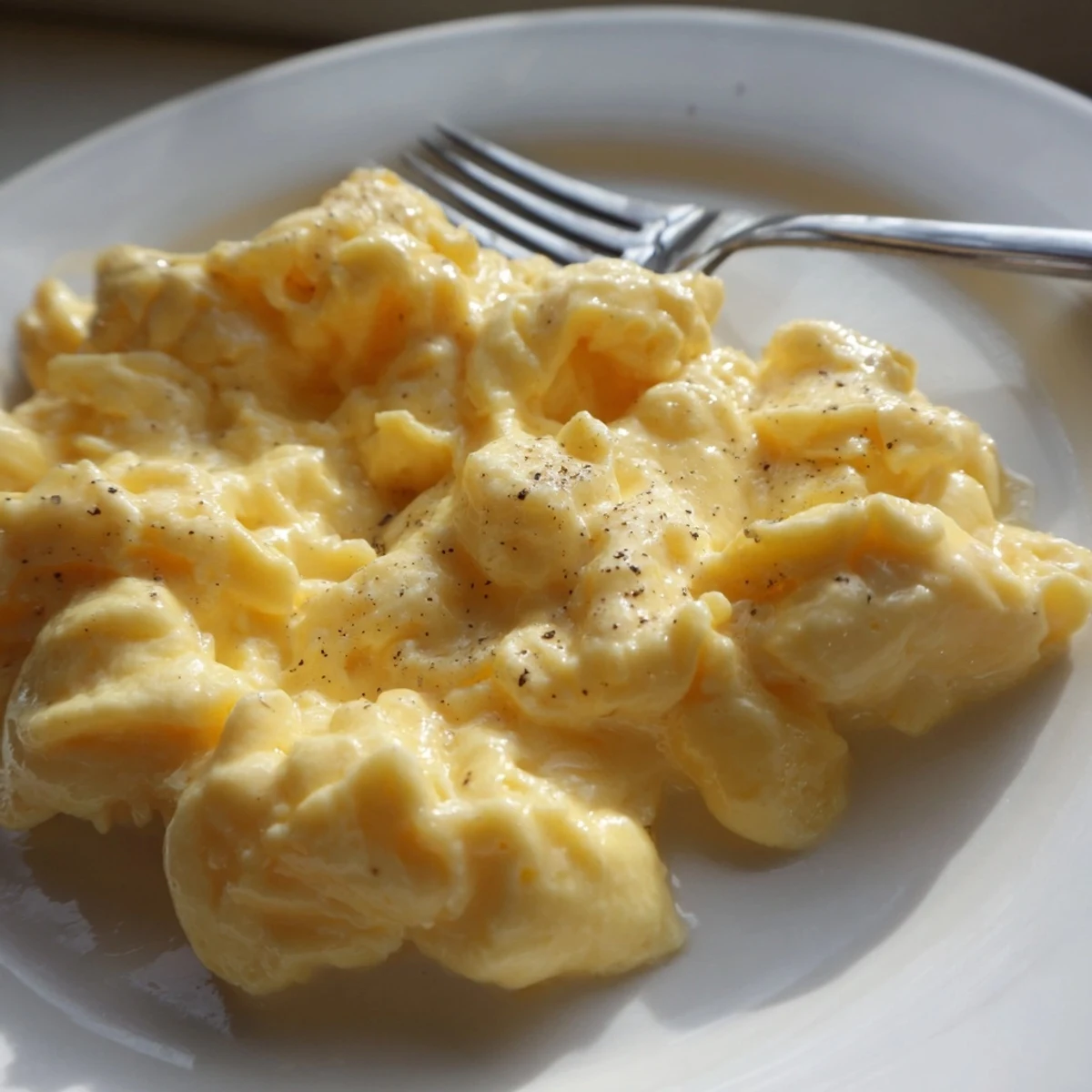
Save Learn how to achieve restaurant-quality scrambled eggs at home with minimal effort. The secret lies in gentle heat and patience—cooking over medium-low temperature while continuously pushing the eggs toward the center creates those signature soft curds. Adding a touch of milk or cream enhances richness, while butter provides that luxurious finish. The entire process takes just 10 minutes from start to finish, making it ideal for busy mornings or lazy weekend breakfasts alike.
My roommate sophomore year taught me scrambled eggs could actually taste like something special. We shared a tiny apartment kitchen where the vent fan never worked and every Monday morning smelled like butter and coffee. She refused to make eggs any other way than low and slow, and honestly changed my entire breakfast game. Now I cannot eat rubbery restaurant eggs without thinking about that cramped little kitchen.
Last Christmas morning I made these for my extended family while everyone opened presents in pajamas. My uncle asked what restaurant I ordered them from and seemed genuinely shocked when I said I just scrambled them. Something about making such simple food well feels like giving someone a hug on a plate.
Ingredients
- 4 large eggs: Room temperature eggs whisk up better and cook more evenly than cold ones straight from the fridge
- 2 tbsp whole milk or cream: This tiny amount creates those creamy restaurant style curds without making the eggs milky or diluted
- 1 tbsp unsalted butter: Butter adds richness and helps prevent sticking while contributing that classic breakfast flavor
- 1/4 tsp salt: Salt enhances the natural egg flavor and should be added before cooking not just as a finishing touch
- 1/8 tsp freshly ground black pepper: Freshly cracked pepper has way more aroma and complexity than pre ground stuff
Instructions
- Whisk everything together:
- Crack eggs into a bowl and pour in your milk or cream then add salt and pepper. Whisk vigorously until the mixture turns slightly frothy and uniform in color which helps incorporate air for fluffier eggs.
- Melt the butter:
- Drop butter into a nonstick skillet set over medium low heat. Watch it melt and start gently bubbling which tells you the pan is ready but not too hot.
- Start the curds:
- Pour in the egg mixture and let it sit for just a few seconds. Wait until you see the outer edges barely beginning to set before touching anything.
- Gently push and fold:
- Use your spatula to slowly push eggs from the edges toward the center forming soft curds. Work deliberately and gently rushing here leads to broken dry eggs.
- Finish while moist:
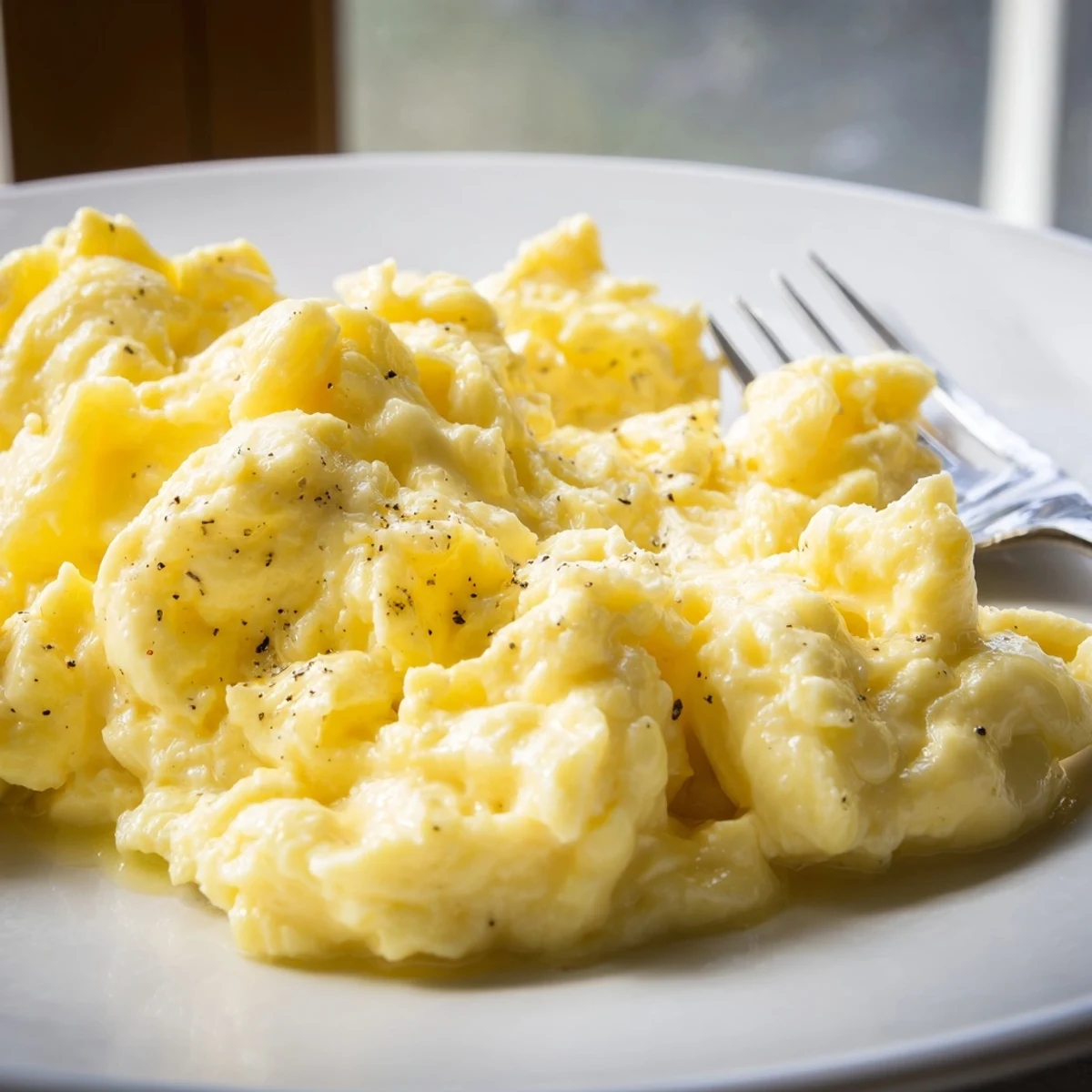
- Keep gently folding until the eggs look slightly underdone and still very creamy. Remove from heat immediately because residual heat finishes the cooking.
 Save
Save These became my go to when I moved into my first apartment and barely knew how to boil water. Something about mastering something so deceptively simple felt like earning my adult cooking card.
Choosing Your Dairy
Cream makes ridiculously rich eggs while whole milk keeps things lighter. Half and half strikes a nice middle ground if you want some richness without feeling like you ate dessert for breakfast. Honestly even water works if you are dairy free though the texture changes slightly.
Get Creative
Chopped chives or parsley add fresh brightness while grated cheese melts into gooey pockets. Sautéed mushrooms onions or bell peppers turn this into a mini vegetable frittata. Sometimes I crumble in cooked bacon or top with microgreens for that brunch spot presentation.
Serving Ideas That Work
These eggs deserve a proper platform not just a paper plate. Think about what makes you excited to eat breakfast and build around that. I have served them countless ways and discovered people appreciate thoughtful pairings even for simple food.
- Buttered sourdough toast for soaking up any residual creaminess
- Sliced avocado and everything bagel seasoning for restaurant vibes
- Smoked salmon alongside if you want to feel fancy on a Tuesday
 Save
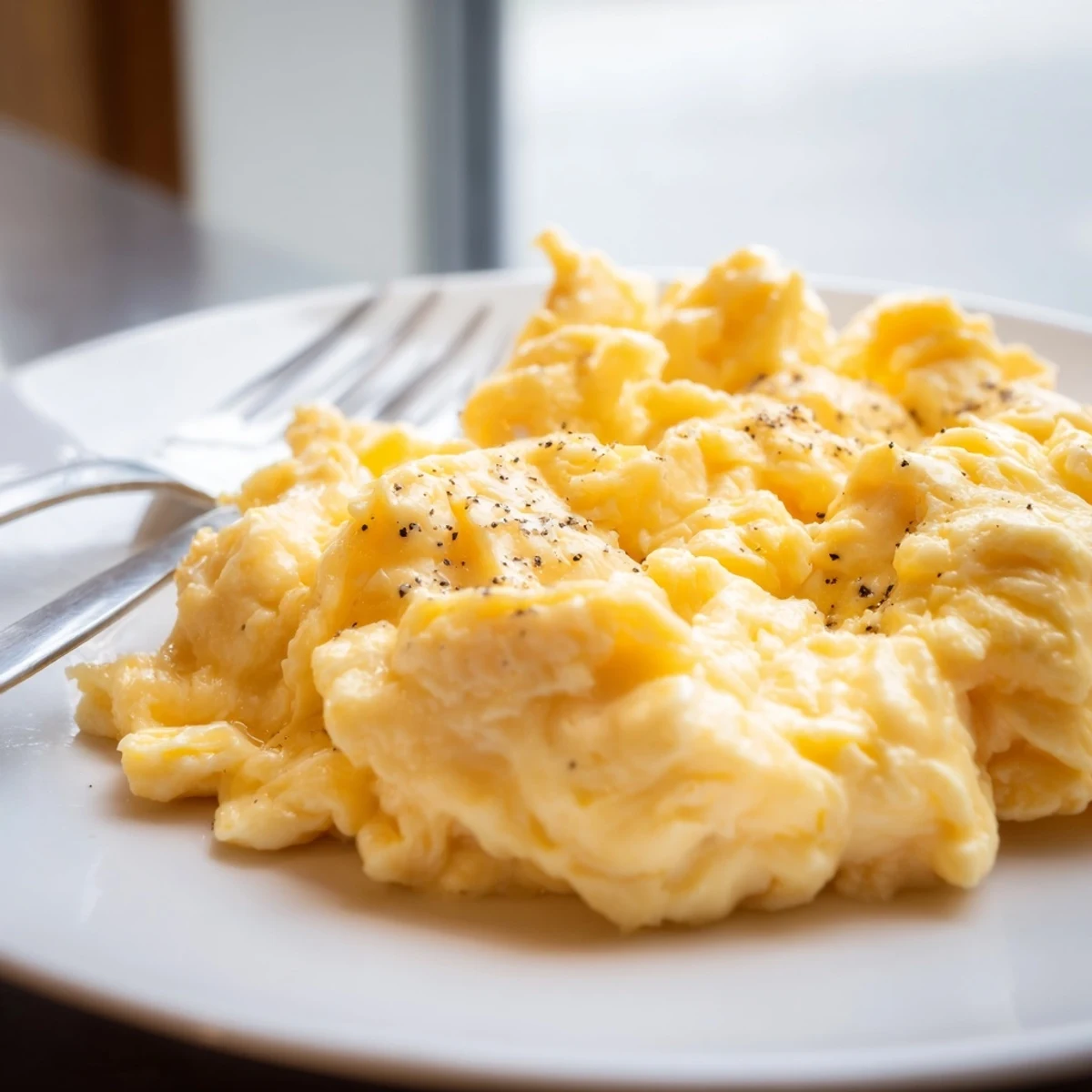
Save Hope these eggs become your new weekend morning ritual.
Your Recipe Questions Answered
- → Why do my scrambled eggs turn out rubbery?
-
Rubbery eggs typically result from cooking over high heat or too long. Stick to medium-low heat and remove from the pan while still slightly moist—they'll continue cooking briefly from residual heat.
- → Should I use milk or cream in scrambled eggs?
-
Cream yields richer, more luxurious results while milk creates a lighter texture. Both work wonderfully—choose based on your preference and what you have available in your refrigerator.
- → Can I make scrambled eggs ahead of time?
-
Scrambled eggs taste best immediately after cooking. However, you can refrigerate them for up to 2 days and reheat gently with a splash of milk or butter to restore creaminess.
- → What's the best pan for making scrambled eggs?
-
A nonstick skillet is ideal for easy cleanup and prevents sticking without needing excessive butter. If using stainless steel or cast iron, ensure the pan is well-seasoned and use adequate butter.
- → How do I know when scrambled eggs are done?
-
Remove from heat when eggs appear slightly undercooked—soft curds with a glossy, moist texture. They'll finish cooking on the plate. Perfect eggs should never be dry or completely firm.
- → Can I add cheese to scrambled eggs?
-
Absolutely. Add shredded cheese during the last minute of cooking so it melts without separating. Cheddar, Gruyère, goat cheese, or cream cheese all create delicious variations.