
 Save
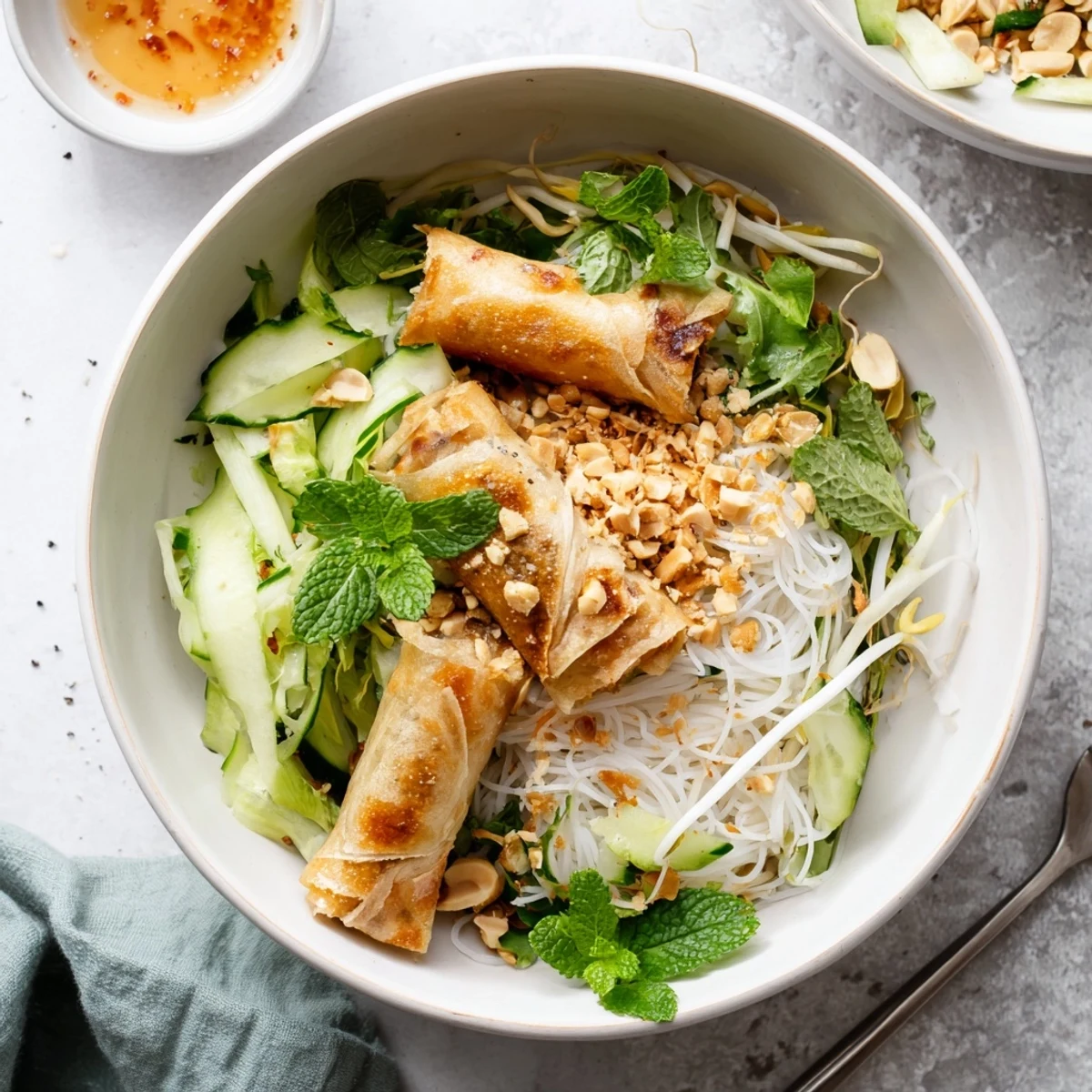
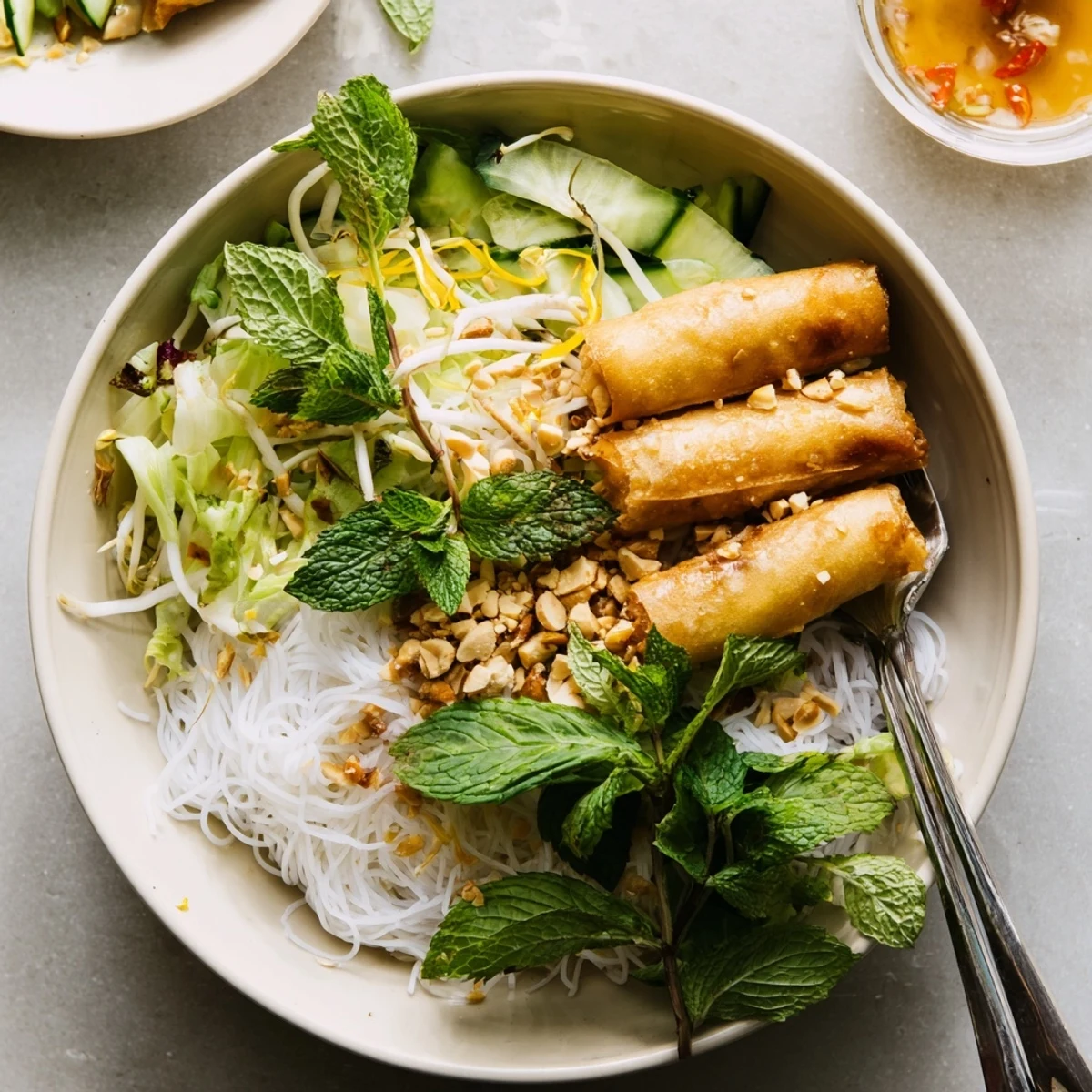
Save This vibrant Vietnamese dish combines the satisfying crunch of handmade fried spring rolls with refreshing cold noodles and aromatic fresh herbs. The golden cha gio feature a savory filling of ground pork, shrimp, glass noodles, and wood ear mushrooms, all wrapped in delicate rice paper and fried to perfection. Each bowl offers a harmonious blend of textures and temperatures—crisp vegetables, cool vermicelli, hot spring rolls, and roasted peanuts—all tied together with the classic sweet, sour, and salty notes of homemade nuoc cham dipping sauce.
The first time I had Bun Cha Gio was at a tiny family-run spot in Saigon where the owner's grandmother sat by the door rolling spring rolls while chatting with everyone who walked in. She moved with such practiced grace, her hands never hesitating as she tucked filling into rice paper wrappers. When that bowl arrived, the contrast between the hot crispy rolls and cool slippery noodles stopped me mid-bite. I've been chasing that perfect balance of textures and temperatures ever since.
Last summer I made this for a group of friends who'd never had Vietnamese food before, watching their faces light up when they took their first bites. They spent the whole meal asking questions about each ingredient and trying to guess what made the sauce so addictive. By the end of the night, everyone was crowded around the platter of spring rolls, fingers reaching in for seconds. That's when I knew this recipe wasn't just dinner, it was a conversation starter.
Ingredients
- Ground pork and shrimp: This combination creates the perfect balance of richness and sweetness that traditional spring rolls are known for
- Glass noodles: These absorb all the savory flavors while adding a satisfying chew inside each roll
- Rice paper wrappers: They become incredibly crispy when fried, creating that signature shatteringly light crunch
- Fresh herbs: Mint, cilantro, and Thai basil aren't garnishes here, they're essential players that brighten every bite
- Nuoc cham: This magical sauce ties everything together with its perfect sweet, sour, salty balance
Instructions
- Mix the filling:
- Combine pork, shrimp, soaked glass noodles, wood ear mushrooms, carrot, garlic, green onions, egg, fish sauce, and pepper in a large bowl until everything is evenly distributed
- Soften the wrappers:
- Dip each rice paper in warm water for just 5 seconds, then lay it on a damp towel, working quickly so they don't become too sticky to handle
- Roll with confidence:
- Place 2 tablespoons of filling near the bottom edge, fold in the sides tightly, then roll up like a burrito, keeping the filling snug but not bursting
- Fry to golden perfection:
- Heat oil to 170°C and fry rolls in batches for 5 to 7 minutes, turning occasionally until they're evenly golden and sound hollow when tapped
- Prep the noodles:
- Cook rice vermicelli according to package instructions, then rinse thoroughly under cold water to stop cooking and prevent clumping
- Whisk the sauce:
- Dissolve sugar in warm water first, then stir in fish sauce, lime juice, garlic, chili, and shredded carrot until everything is well combined
- Build your bowls:
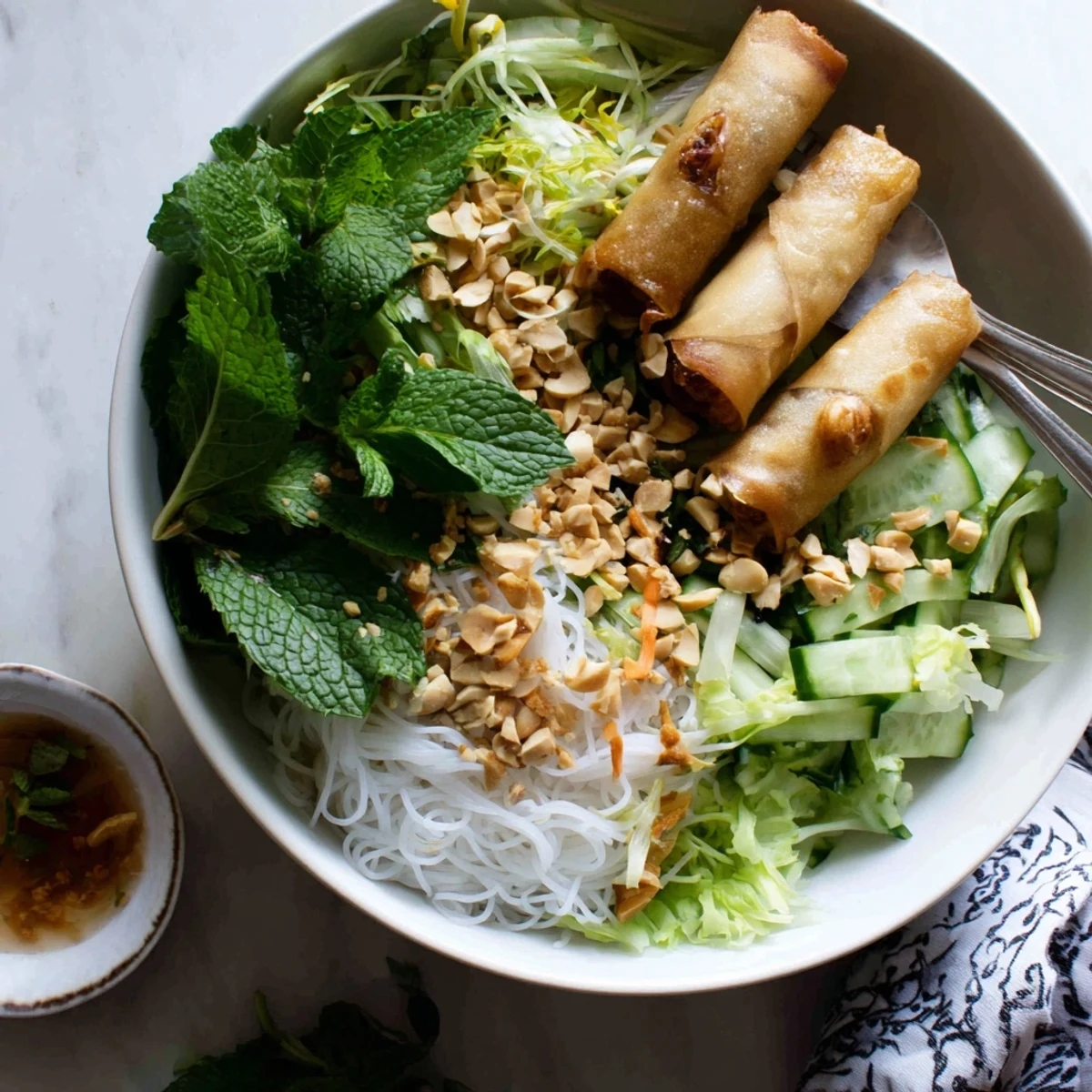
- Divide noodles among 4 bowls, then arrange lettuce, cucumber, bean sprouts, and herbs on top before adding 3 sliced spring rolls each
- Finish with peanuts:
- Sprinkle chopped roasted peanuts over everything for crunch, then serve with extra nuoc cham on the side for dipping
 Save
Save My daughter now requests this for her birthday dinner every year, carefully arranging her own bowl with extra mint and just the right amount of sauce. She's even started helping me roll the spring rolls, her small hands learning to fold and tuck with growing confidence. Watching her take pride in making something our family loves reminds me why cooking together matters.
Making Ahead Like a Pro
You can assemble the uncooked spring rolls up to 4 hours ahead, layering them between parchment paper so they don't stick. Just cover tightly with plastic wrap and keep refrigerated until frying time. This game-changing trick lets you enjoy your party instead of being stuck at the stove.
Getting That Perfect Crisp
The secret to shatteringly crispy spring rolls is double-frying, which I discovered after years of somewhat soggy results. Fry them once until golden, let them cool completely, then fry again for just 30 seconds before serving. The texture difference is absolutely worth the extra effort.
Building the Ultimate Bowl
Think about color and texture contrast when you're assembling each bowl, placing ingredients so every spoonful gets a bit of everything. I like creating little sections of herbs, vegetables, and noodles so people can see all the beautiful components before they dive in and mix everything together.
- Keep your spring rolls whole until serving to maintain maximum crunch
- Serve extra lime wedges on the side for those who love extra tang
- Have plenty of napkins ready, because this is hands-down delicious messy eating
 Save
Save There's something joyful about a meal that invites you to play with your food, mixing and tasting as you go. This recipe brings people together around the table, and that's the best ingredient of all.
Your Recipe Questions Answered
- → What makes bun cha gio different from other Vietnamese noodle dishes?
-
Bun cha gio stands out for its combination of crispy fried spring rolls served over cold vermicelli noodles. Unlike other Vietnamese noodle bowls that might feature grilled meats or fresh spring rolls, this dish specifically highlights the contrast between hot, crunchy fried rolls and cool, refreshing noodles with fresh herbs.
- → Can I make the spring rolls ahead of time?
-
Yes, you can assemble the spring rolls up to 4 hours before frying. Keep them covered with a damp cloth to prevent drying. For longer storage, freeze uncooked rolls between layers of parchment paper for up to 2 weeks, then fry directly from frozen, adding a few extra minutes to cooking time.
- → What can I substitute for the rice paper wrappers?
-
Traditional wheat-based spring roll pastry wrappers can be used instead of rice paper, though they will create a slightly different texture. For a gluten-free option, stick with rice paper. If you cannot find either, you can form the filling into small patties and pan-fry them as crispy meat cakes to serve over the noodles.
- → How do I prevent rice paper from tearing when rolling?
-
Work with one wrapper at a time and keep the rest covered with a damp cloth. Dip the rice paper in warm water for just 3-5 seconds—it should feel pliable but not overly soft. Lay it on a clean, damp surface while rolling. If it becomes too sticky, lightly dab with water using your fingers to smooth out wrinkles.
- → Is there a vegetarian option for this dish?
-
Absolutely. Replace the ground pork with crumbled firm tofu seasoned with soy sauce, and omit the shrimp entirely. You can add more finely chopped vegetables like mushrooms, carrots, and cabbage to the filling. The rest of the dish—noodles, herbs, vegetables, and nuoc cham sauce (use vegetarian fish sauce or soy sauce)—remains the same.
- → What's the best way to store leftovers?
-
Store cooked spring rolls, noodles, and vegetables separately in airtight containers in the refrigerator for up to 3 days. To recrisp the spring rolls, place them in a 200°C (400°F) oven for 5-10 minutes. The noodles are best enjoyed cold and don't require reheating. Keep the nuoc cham sauce in a sealed jar in the refrigerator for up to 2 weeks.