
 Save
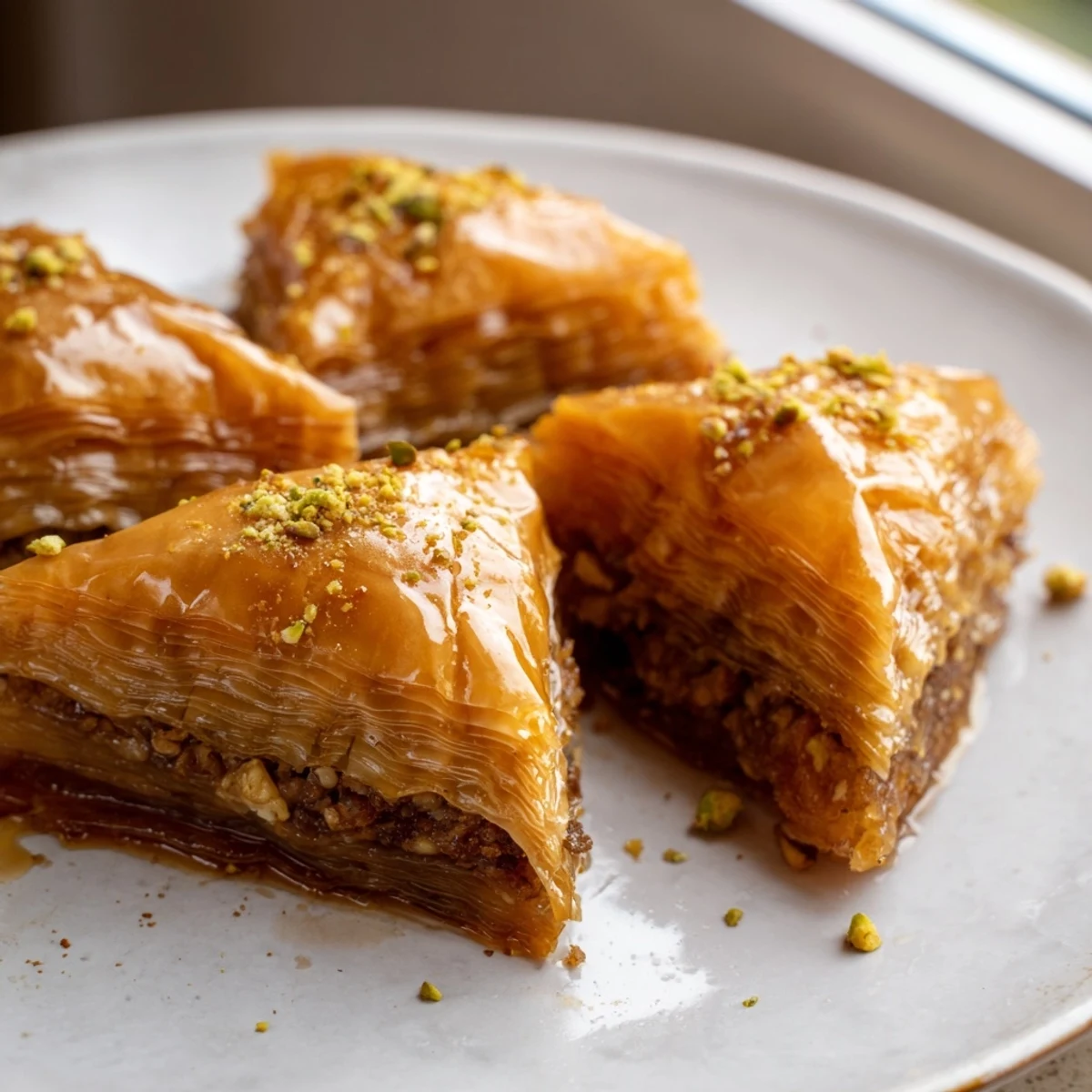
Save This traditional Balkan dessert transforms simple phyllo dough into an extraordinary treat through careful layering and buttering. The filling combines walnuts, almonds, and pistachios with warming cinnamon and cloves, while the syrup balances sugar with honey and citrus. Each piece bakes until golden, then absorbs the sweet syrup while cooling. The result is a crispy, nutty, indulgent pastry that improves with time—making it ideal for preparing ahead of celebrations. Serve alongside strong Bosnian coffee for the authentic experience.
My grandmother never measured anything when she made baklava, her hands moving through the kitchen with this practiced rhythm that I tried desperately to memorize. I remember watching her brush layer after layer of phyllo with melted butter, the kitchen already smelling of toasted nuts and something sweet about to happen. The first time I attempted it on my own, I rushed through the layering process and ended up with soggy pastry that never quite crisped up. Now I understand that baklava demands patience and respect, a lesson that transformed my results entirely.
Last Eid, I made three trays of this baklava for our family gathering, and my uncle confessed he'd been dreaming about it for months. There's something about carrying that heavy, syrup soaked tray to the table, everyone leaning in as you set it down, that feels like bringing out something truly special. My youngest cousin now asks for it every time she visits, and I've realized that some recipes become part of who you are in your family.
Ingredients
- Phyllo dough: Work quickly with thawed phyllo and keep it covered with a damp cloth to prevent drying out and cracking
- Mixed nuts: The combination of walnuts and almonds creates the most authentic flavor profile, but feel free to adjust based on what you love
- Ground cinnamon: This warm spice bridges the gap between the rich nuts and sweet syrup beautifully
- Unsalted butter: Melted completely and brushed generously, this is what creates those irresistible crisp, golden layers
- Sugar: Used both in the filling for subtle sweetness and in the syrup for that classic glossy finish
- Honey: Adds depth and floral notes that plain sugar syrup cannot achieve alone
- Lemon juice: The acid balances all that sweetness and prevents the syrup from becoming cloyingly rich
Instructions
- Prepare your workspace and pan:
- Preheat your oven to 180°C (350°F) and generously butter a 23x33 cm baking pan, getting into all the corners
- Mix the spiced nut filling:
- Combine the finely chopped nuts with sugar, cinnamon, and cloves in a large bowl until everything is evenly distributed
- Layer the first foundation:
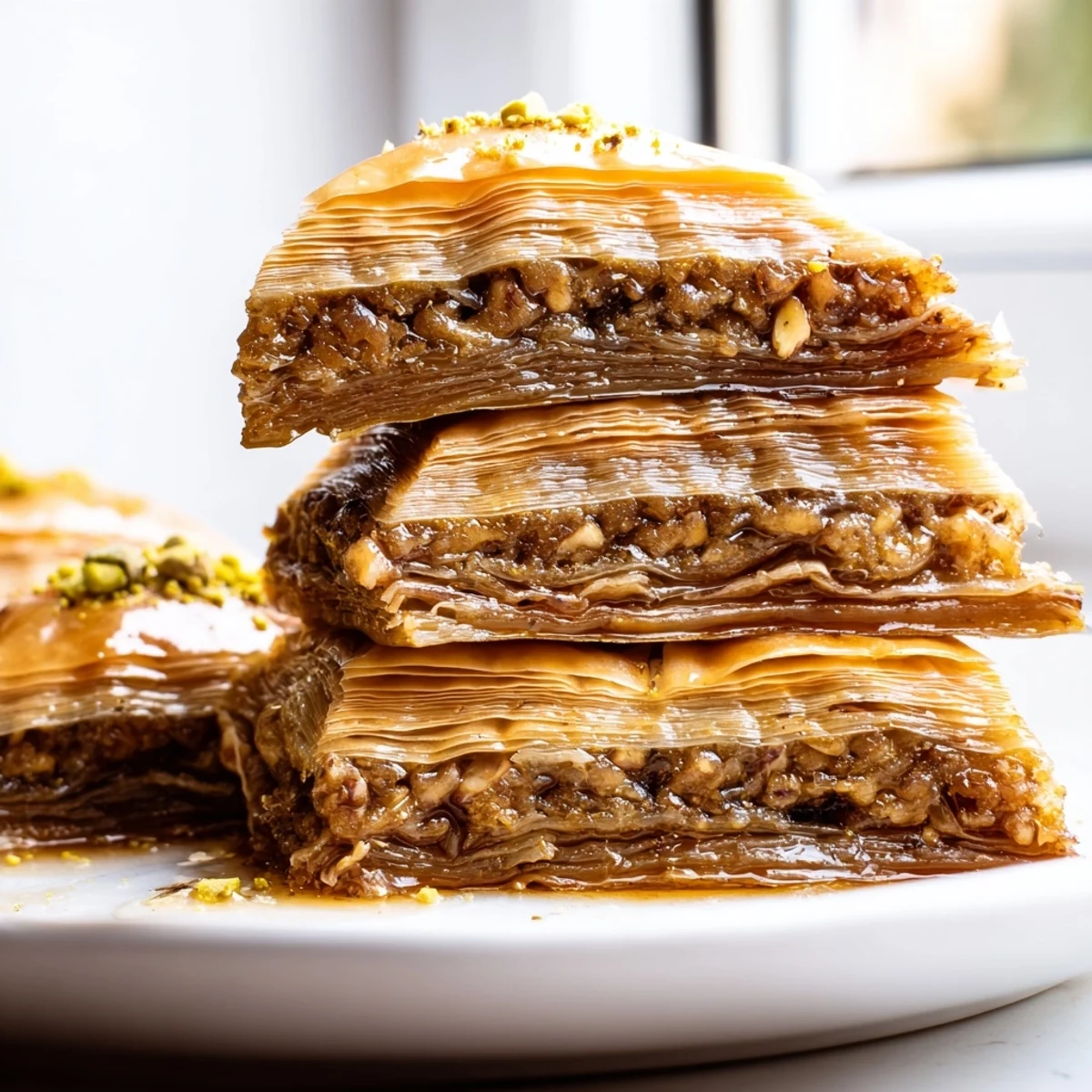
- Place a sheet of phyllo in the pan, brush lightly with butter, and repeat until you have 6 to 8 buttered sheets as your base
- Add the first nut layer:
- Sprinkle exactly one third of your nut mixture evenly across the phyllo, reaching almost to the edges
- Build the middle layers:
- Add 4 to 5 more buttered phyllo sheets, then another third of nuts, then repeat once more with another layer of phyllo and nuts
- Complete the top layer:
- Finish with all remaining phyllo sheets, buttering each one thoroughly including the very top layer
- Score before baking:
- Use your sharpest knife to cut completely through the layers into diamonds or squares before it goes into the oven
- Bake until golden:
- Bake for 35 to 40 minutes until the phyllo transforms into deep golden brown and smells wonderfully toasted
- Make the fragrant syrup:
- While baklava bakes, boil sugar with water and lemon juice for 8 to 10 minutes, then stir in honey and rose water off the heat
- The critical syrup step:
- Pour the hot syrup evenly over the hot baklava the moment it comes out of the oven, hearing that satisfying sizzle
- Patience pays off:
- Let it cool completely at room temperature so every layer can drink in that sweet syrup before serving
 Save
Save There was this moment during my first successful batch when I poured the syrup and watched it disappear into the layers, steam rising up carrying the scent of roses and honey. My kitchen smelled like every bakery I'd ever loved in Sarajevo, and I finally understood why this recipe has been passed down through generations of Bosnian families. Some desserts are just food, but this one feels like heritage.
Making It Your Own
After years of making this recipe, I've learned that the nut ratios can be adjusted to your taste. Some weeks I go heavy on the walnuts for that earthy bitterness, other times I add extra pistachios for their beautiful green color and slightly sweet flavor profile. The rose water is entirely optional if you're not a fan of floral notes, though I find it adds something indescribably authentic to the experience.
Serving Suggestions
In Bosnia, baklava is almost always served with strong black coffee, the bitter brew providing the perfect counterpoint to all that sweetness. I've also grown fond of pairing it with Turkish tea or even a glass of cold milk for anyone who finds the traditional serving too intense. The key is serving it at room temperature, never chilled, so the butter has melted completely and the flavors can really shine.
Storage And Timing
The magic of baklava is how it improves with time, the flavors deepening and the texture becoming more cohesive as it sits. I always plan to make it at least twenty four hours before serving, though it will keep beautifully for up to a week in an airtight container at room temperature.
- Never refrigerate baklava as the cold will make the phyllo tough and lose its delicate crispness
- If the syrup seems too thick after cooling, warm the pieces slightly in a low oven to revive them
- Cut pieces rather than breaking them off to maintain the beautiful layered presentation
 Save
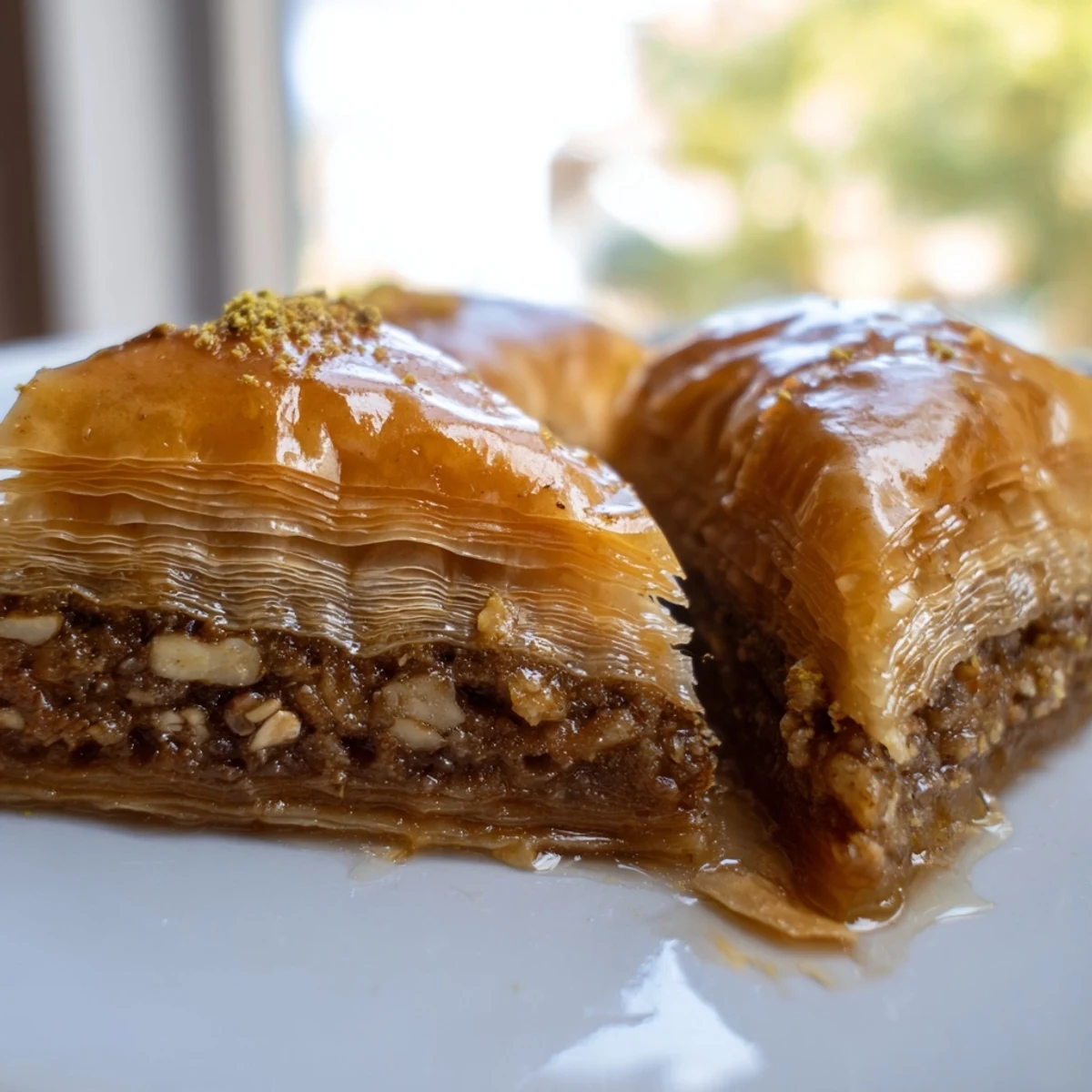
Save Every time I pull a tray of baklava from the oven, I'm transported back to my grandmother's kitchen, learning that some things in cooking cannot be rushed. May your kitchen fill with the same warmth and may this recipe become part of your own story.
Your Recipe Questions Answered
- → Can I make baklava ahead of time?
-
Yes, baklava actually improves when made a day ahead. This allows the syrup to fully penetrate all layers, resulting in a moister, more flavorful pastry. Store in an airtight container at room temperature for up to a week.
- → Why must both the pastry and syrup be hot when combining?
-
Hot syrup poured over hot baklava ensures proper absorption. The heat helps the syrup permeate through all layers evenly, creating that signature texture—crisp yet tender with perfectly distributed sweetness throughout.
- → Can I substitute the nuts in the filling?
-
Absolutely. While walnuts, almonds, and pistachios are traditional, you can adjust ratios or substitute hazelnuts based on preference or availability. Keep the total quantity consistent for proper layering.
- → What's the purpose of lemon juice in the syrup?
-
Lemon juice prevents the sugar from recrystallizing while also adding brightness that balances the intense sweetness. This subtle acidity cuts through the rich butter and sugar for a more complex flavor profile.
- → How do I keep phyllo from drying out during assembly?
-
Keep unused phyllo covered with a slightly damp cloth while working. Work quickly but carefully, and always brush layers immediately after placing them. If sheets tear, simply patch them—no one will notice after baking.
- → What's the best way to cut baklava?
-
Cut before baking using a sharp knife. Diamond shapes are traditional and elegant. Cut through all layers firmly but carefully—sawing motions may tear the delicate phyllo. The cuts will set during baking, making pieces easy to separate after cooling.