
 Save
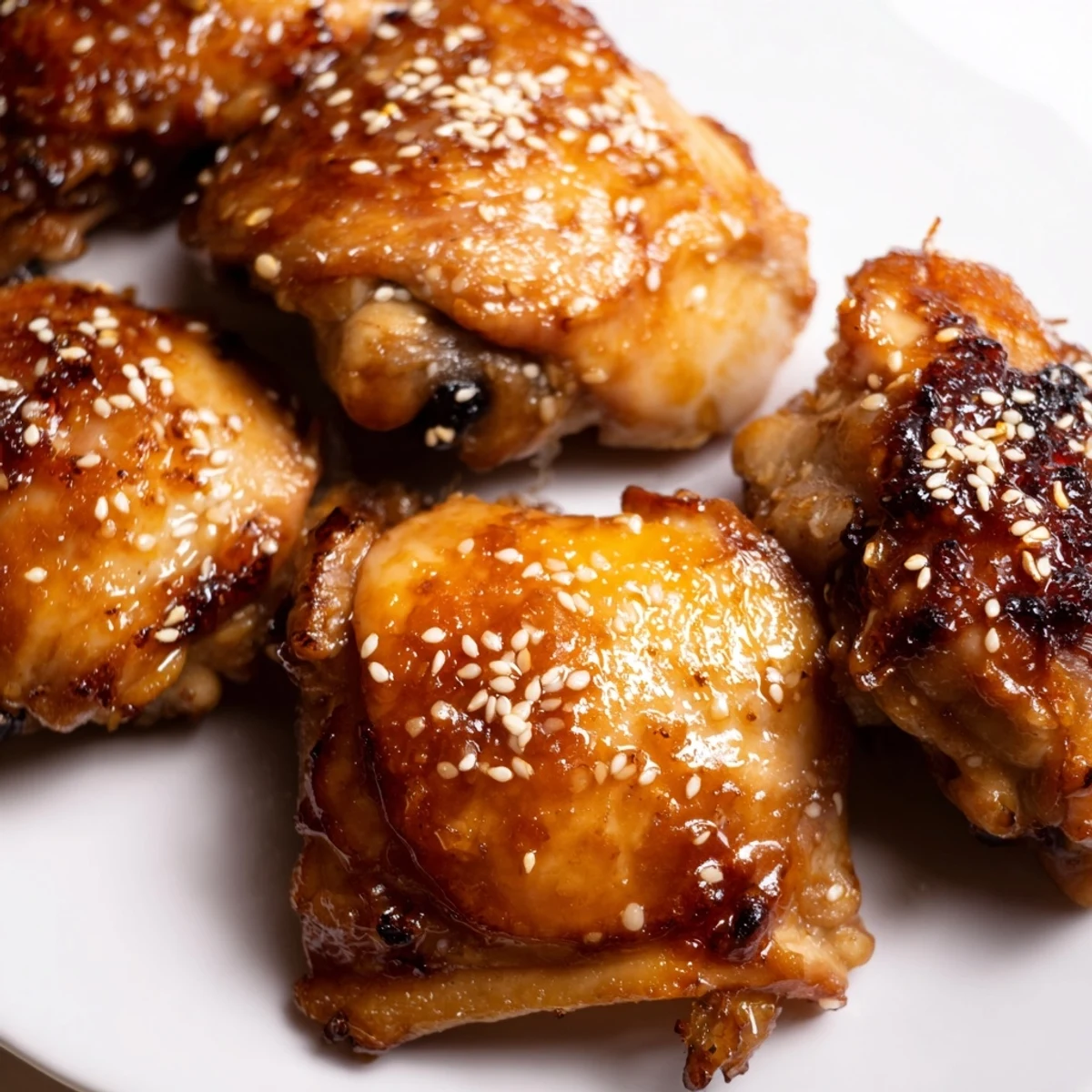
Save These bone-in chicken thighs deliver maximum flavor and tenderness through a simple marinating and roasting technique. The homemade teriyaki glaze combines soy sauce, mirin, honey, and aromatics for that perfect balance of salty and sweet.
The bone-in, skin-on cuts stay incredibly juicy while developing beautifully crispy skin in the oven. After marinating for at least 30 minutes, the chicken roasts at high heat while being basted with the reserved marinade for extra flavor.
The leftover marinade gets simmered into a glossy sauce that you drizzle over the finished chicken. Garnish with fresh green onions and toasted sesame seeds for that restaurant-quality presentation.
The sizzle of chicken skin hitting a hot baking tray is one of those sounds that pulls everyone into the kitchen before dinner is even close to ready. My neighbor once knocked on my door just to ask what smelled so incredible, and ended up staying for the meal. These bone-in teriyaki chicken thighs have been my go-to when I need something impressive with almost no effort. The sticky, caramelized glaze and juicy meat do all the convincing for you.
A rainy Tuesday evening was when this dish really proved itself to me. I had nothing planned, a half-empty fridge, and a craving for something that felt like comfort without requiring a grocery run. The marinade came together from staples I always keep on hand, and by the time the chicken emerged golden and glistening from the oven, the whole apartment felt transformed.
Ingredients
- Bone-in, skin-on chicken thighs (8, about 1.5 kg): The skin is non-negotiable here because it protects the meat and turns into something magical under the broiler.
- Soy sauce (1/3 cup): Use a good quality Japanese soy sauce if you can because the flavor is noticeably smoother.
- Mirin (1/4 cup): This is what gives teriyaki its characteristic shine and gentle sweetness, so do not skip it.
- Honey (2 tbsp): Helps the glaze stick and caramelize beautifully on the skin.
- Brown sugar (2 tbsp): Adds depth and a molasses note that plain sugar simply cannot match.
- Rice vinegar (2 tbsp): Balances the sweetness with a mild acidity that keeps the sauce from being cloying.
- Garlic, minced (2 cloves): Fresh garlic makes a real difference here, so please do not use the jarred kind.
- Fresh ginger, grated (1 tbsp): Grate it finely so it melts into the sauce rather than leaving stringy bits.
- Sesame oil (1 tbsp): A little goes a long way and adds that toasty, nutty backbone to the whole marinade.
- Cornstarch (1 tbsp, optional): Only needed if you want a thicker dipping sauce to drizzle at the end.
- Water (2 tbsp, optional): Mixed with cornstarch to create a slurry that prevents lumps in your sauce.
- Green onions, thinly sliced (2): Scatter these on at the last second for a fresh, sharp contrast to the rich glaze.
- Toasted sesame seeds (1 tbsp): Toast them yourself in a dry pan for one minute and you will never go back to the untoasted kind.
Instructions
- Whisk the marinade together:
- In a large bowl, combine the soy sauce, mirin, honey, brown sugar, rice vinegar, garlic, ginger, and sesame oil. Whisk until the honey dissolves and everything smells like a Japanese street market stall.
- Coat the chicken:
- Drop the chicken thighs into the bowl and turn each one so every surface is slick with marinade. Cover and refrigerate for at least 30 minutes, though overnight is ideal if you can plan ahead.
- Preheat and prepare:
- Set your oven to 200 degrees Celsius (400 degrees Fahrenheit) and line a baking tray with parchment paper or foil. This saves you from scrubbing baked-on teriyaki later, which is a chore nobody deserves.
- Arrange the thighs:
- Pull the chicken from the marinade but save every drop of that liquid. Place the thighs skin-side up on the tray with a little space between each one so they roast instead of steam.
- Roast and baste:
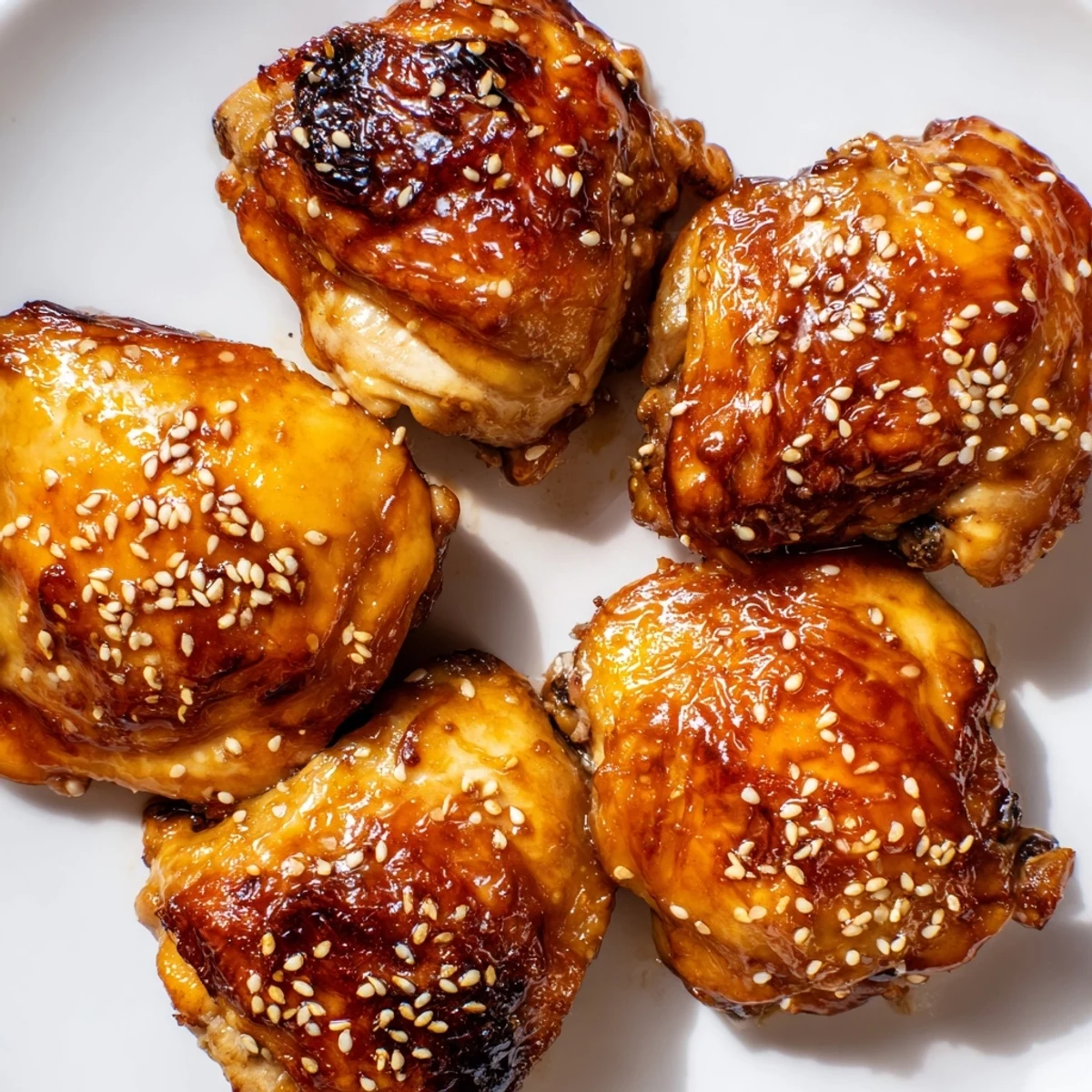
- Slide the tray into the oven and roast for 35 to 40 minutes, pulling it out at the 20-minute mark to baste generously with the reserved marinade. The chicken is done when the internal temperature hits 75 degrees Celsius (165 degrees Fahrenheit) and the skin is burnished gold.
- Reduce the sauce:
- While the chicken roasts, pour the remaining marinade into a small saucepan and bring it to a rolling boil. If you want a thicker glaze, stir in the cornstarch slurry and simmer for 3 to 5 minutes until it coats the back of a spoon.
- Glaze and garnish:
- Arrange the finished chicken on a warm platter, drizzle with that glossy reduced sauce, and scatter the green onions and sesame seeds over the top. Serve immediately while the skin is still crackling.
 Save
Save Serving this to a friend who claimed she did not like dark meat was a quiet triumph. She went back for seconds without saying a word, and that silence told me everything I needed to know about the power of a good teriyaki glaze.
What to Serve Alongside
Steamed white rice is the obvious and perfect partner because it soaks up every drop of that sauce. A quick side of sauteed bok choy or snap peas adds crunch and freshness that keeps the plate balanced. I have also served this with cold sesame noodles on hot summer nights and it works beautifully.
Smart Substitutions
If you cannot find mirin, dry sherry with an extra squeeze of honey is a decent stand-in that still delivers sweetness and depth. Tamari works perfectly in place of soy sauce for anyone avoiding gluten, and the flavor stays rich and salty. A pinch of chili flakes in the marinade is a wonderful addition if you want gentle heat running through each bite.
Storage and Reheating
Leftovers keep well in an airtight container in the refrigerator for up to three days, and the flavor somehow deepens overnight. Reheat gently in a low oven or toaster oven to bring the skin back to life because the microwave will make it soggy. The sauce thickens further in the fridge, so add a splash of water when reheating.
- Freeze cooked chicken in the sauce for up to two months and thaw overnight in the refrigerator.
- Shred leftover meat and tuck it into rice bowls or lettuce wraps for a completely different meal.
- Always reheat the sauce until bubbling to ensure food safety.
 Save
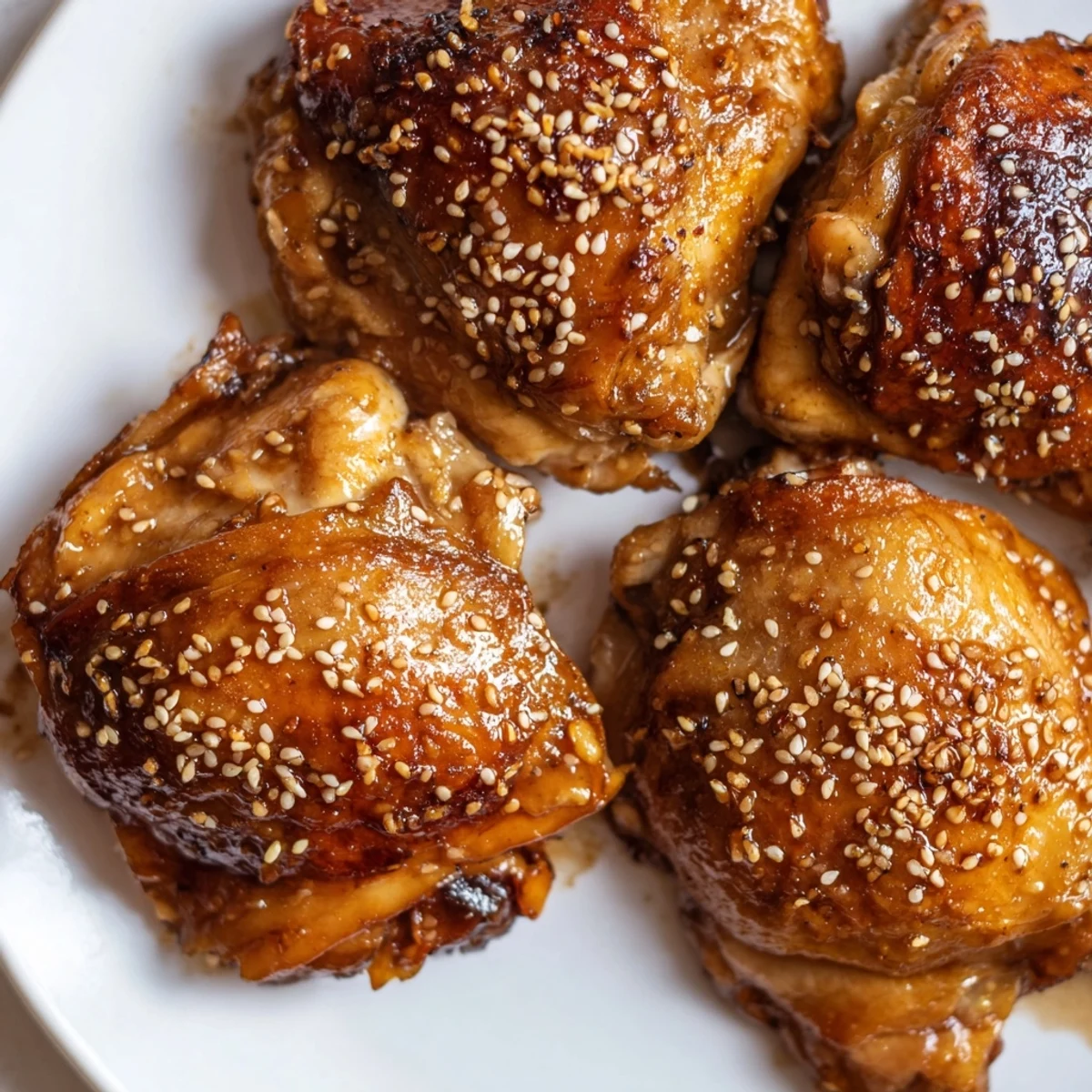
Save This is the kind of recipe that earns a permanent spot in your rotation because it works hard without asking much of you. Share it with someone who needs convincing that home cooking can rival any takeout.
Your Recipe Questions Answered
- → How long should I marinate the chicken?
-
Marinate for at least 30 minutes, but overnight is ideal for deep flavor penetration. The longer it marinates, the more savory and complex the taste becomes.
- → Can I use boneless chicken thighs instead?
-
Yes, boneless thighs work well but reduce cooking time to 25-30 minutes. They'll cook faster but may be slightly less juicy than bone-in cuts.
- → What can I substitute for mirin?
-
Dry sherry with a touch of extra honey makes a good substitute. You can also use white wine vinegar with a pinch of sugar for similar acidity and sweetness.
- → How do I know when the chicken is done?
-
Use a meat thermometer to check the internal temperature reaches 75°C (165°F). The juices should run clear when pierced and the skin should be golden brown.
- → Can I make this gluten-free?
-
Absolutely! Replace regular soy sauce with tamari, which is naturally gluten-free. All other ingredients including mirin are typically gluten-free.
- → What sides go well with teriyaki chicken?
-
Steamed white or brown rice is classic. Sautéed vegetables like broccoli, bok choy, or snap peas complement the sweet-salty flavors perfectly.