
 Save
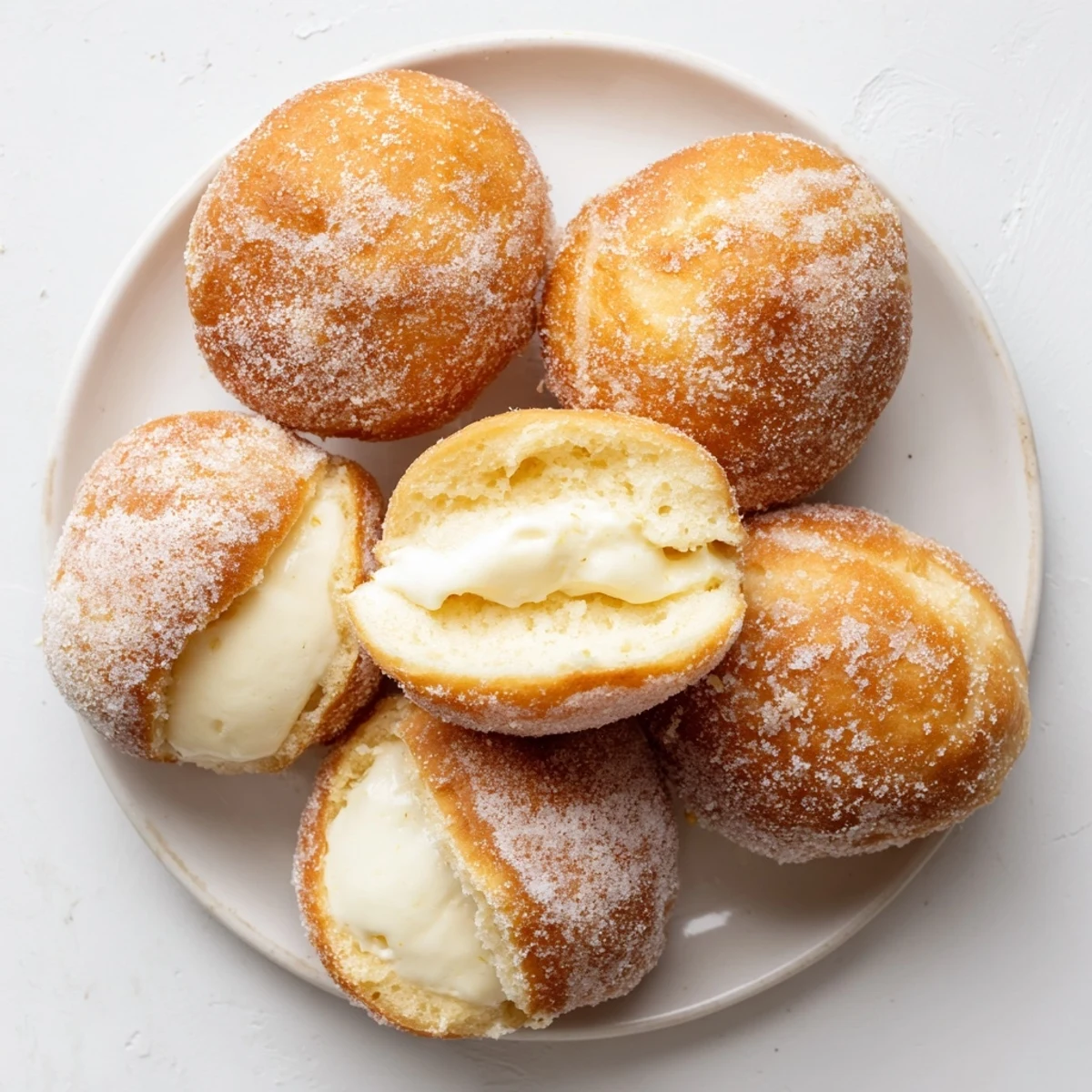
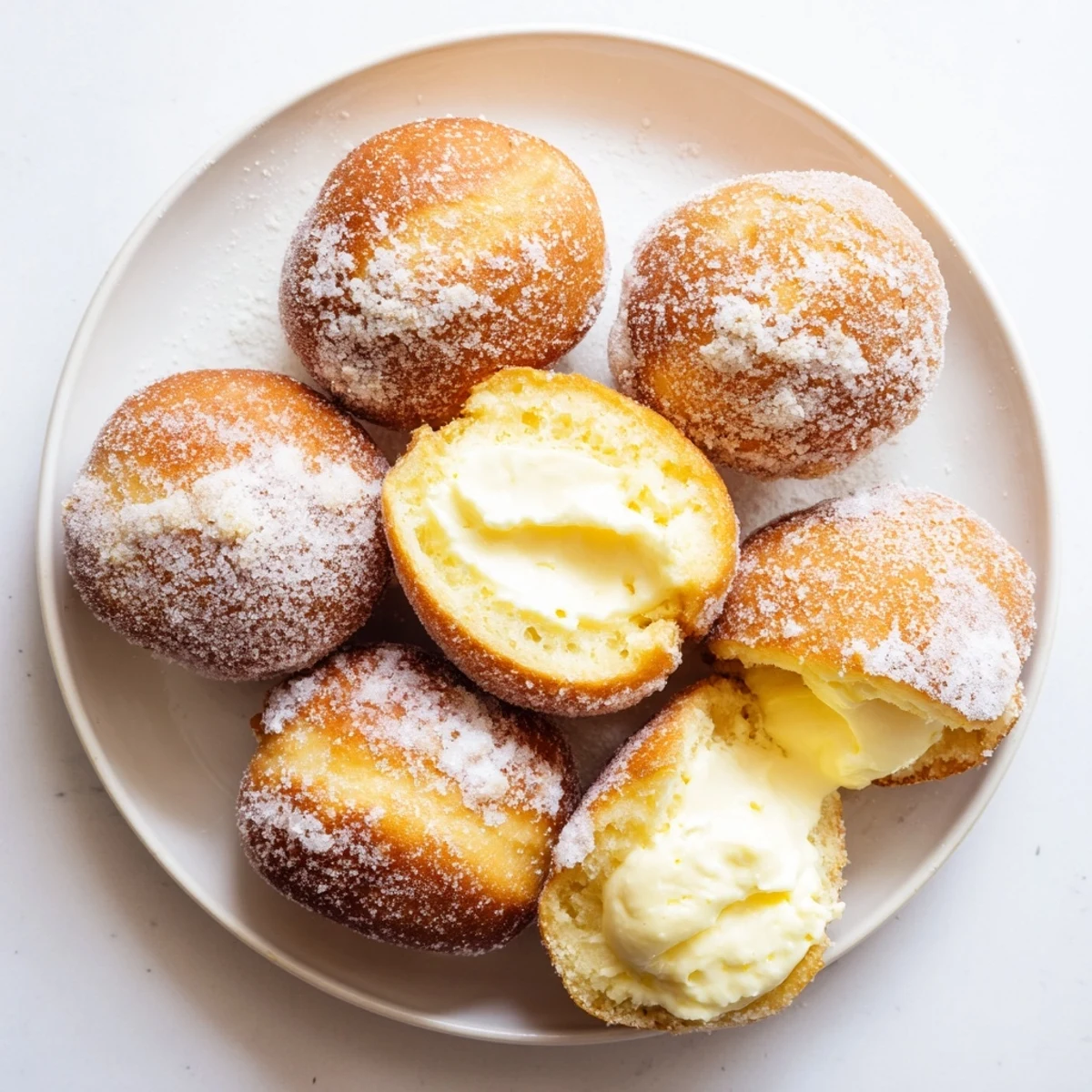
Save Create authentic Italian bomboloni featuring pillowy-soft fried dough enriched with lemon zest and vanilla. The centerpiece is a luxurious vanilla pastry cream made from egg yolks, milk, and butter—smooth, rich, and perfectly balanced. After a proper rise, these golden rounds are fried to perfection, rolled in sugar, and generously filled with the silky cream. Best enjoyed fresh with espresso, these classic Italian treats deliver that perfect contrast of crisp exterior, tender crumb, and creamy filling.
The tiny bakery around the corner from my apartment in Florence made bomboloni every morning at 7 AM, and I quickly learned that timing was everything. Sometimes I would pretend to be tying my shoe outside their door just to catch the moment they emerged from the fryer, golden and trembling in the sugar-coated basket. After weeks of greedy observation and countless euro spent, the baker finally winked and showed me the rhythm of his dough.
My sister came to visit during my bomboloni experimentation phase, and I accidentally overproofed an entire batch while we got distracted talking about old family recipes. They fried up flat as pancakes, but we ate them anyway, standing over the stove with powdered sugar on our chins, laughing at my perfectly circular failures. The next attempt, when I finally got the timing right, she took one bite and went completely quiet.
Ingredients
- 500g all-purpose flour: This forms the foundation of your doughnuts, creating structure while staying tender enough to melt in your mouth
- 7g instant yeast: The magic spark that transforms simple flour and sugar into puffy, golden clouds waiting to be filled
- 200ml lukewarm milk: Temperature matters here, too hot and youll kill your yeast, too cold and it will take forever to wake up
- 60g unsalted butter: Softened butter works into the dough beautifully, adding richness without making it heavy or greasy
- 2 large eggs: These provide structure and help create that signature soft, chewy texture inside each bombolone
- Zest of 1 lemon: The secret bright note that cuts through all that richness, making each bite feel surprisingly fresh
Ingredients for Pastry Cream
- 500ml whole milk: Full fat is non-negotiable here, it creates that luxurious, restaurant-style custard you want to eat with a spoon
- 4 large egg yolks: Save the whites for something else, because these yolks are going to work hard creating your silky filling
- 40g cornstarch: The thickening power that transforms sweetened milk into proper pastry cream that holds its shape inside the doughnut
- 30g unsalted butter: Stirred in at the very end, this adds an unbelievable glossy finish and rounds out all the flavors
Instructions
- Mix your dough until it fights back:
- Combine your dry ingredients first, then whisk together the milk, eggs, vanilla and lemon zest before bringing everything together. Knead for a solid 8 to 10 minutes until the dough feels smooth and elastic, almost like a babies cheek, then tuck it into a bowl and forget about it for at least an hour while it works its magic.
- Whisk up your pastry cream:
- Heat your milk with lemon zest until it is just shy of boiling, then whisk your yolks, sugar and cornstarch until they are perfectly smooth. Pour that hot milk into the yolks slowly, whisking like your life depends on it, then return everything to the stove and stir until it thickens into gorgeous pudding. Stir in vanilla and butter, press plastic wrap directly onto the surface, and let it chill completely.
- Shape, rise and fry your masterpiece:
- Roll your dough to about 1.5 cm thick and cut rounds with a 6 or 7 cm cutter, setting them on a floured surface to puff up again for another 30 to 40 minutes. Heat your oil to 170°C and fry them in batches, flipping once, until both sides are deeply golden. Drain them briefly and immediately roll them in sugar while they are still warm enough to make it stick.
- Fill each doughnut like a pro:
- Scoop your chilled pastry cream into a piping bag fitted with a long, narrow nozzle and find the natural crease on each bombolone. Gently poke inside and squeeze until you feel the doughnut become heavy in your hand, then resist the urge to taste test until you have filled the entire batch.
 Save
Save Last Christmas morning, I made a triple batch for my family and set them out on a platter with fresh espresso. My dad, who usually claims he does not have much of a sweet tooth, kept circling back to the kitchen just one more time until there were literally only crumbs left. Now he asks about them in July.
Making Them Ahead
You can absolutely make the dough and pastry cream the day before and keep them refrigerated separately. Let the dough come to room temperature before shaping, and give your pastry cream a quick whisk to loosen it up before filling. I have found that frying them fresh the morning of serving makes all the difference in texture.
Getting the Shape Right
A 6 or 7 cm cutter gives you that classic size, but honestly, any round cutter will work as long as you keep the thickness consistent. Do not reroll the scraps too many times or the dough will become tough, instead, fry those oddly shaped leftover pieces as chefs treats and eat them while no one is watching.
Perfecting the Filling
The trick is getting the pastry cream into the center without making a mess of your beautiful sugar coating. Insert the nozzle at a slight angle and squeeze gently until you feel the bombolone become slightly heavy in your hand. If cream starts leaking out the entry hole, you have overfilled it, but honestly, those messy ones taste just as good.
- Use a chopstick to create the initial hole if your nozzle is not quite long enough
- Fill the bomboloni within an hour of frying for the best texture contrast
- Any leftover pastry cream is incredible spooned over fresh berries
 Save
Save There is something deeply satisfying about standing over a steaming pot of oil, turning golden doughnuts and knowing that in just a few minutes, someone you love is about to take that first bite.
Your Recipe Questions Answered
- → What makes bomboloni different from regular doughnuts?
-
Bomboloni are lighter and airier than American doughnuts, featuring a soft, bread-like texture from the yeast dough. They're traditionally filled after frying rather than having jelly injected during mixing, resulting in generous cream pockets and a crisp sugar-coated exterior.
- → Can I prepare the dough and pastry cream ahead?
-
Absolutely. Prepare the dough and let it rise overnight in the refrigerator for deeper flavor development. The pastry cream can be made up to 24 hours in advance—just keep plastic wrap directly touching the surface to prevent skin formation. Bring both to room temperature before shaping and filling.
- → What's the secret to perfectly risen bomboloni?
-
Warm, draft-free conditions are essential. Let your dough rise in a slightly warm spot (around 75°F/24°C). The second rise after cutting is equally important—don't rush this 30-40 minute resting period. Properly proofed bomboloni will feel light and puffy, frying up beautifully golden instead of dense.
- → How do I achieve the crispest exterior?
-
Maintain oil temperature at 170°C (340°F)—too cool and they'll absorb excess oil, too hot and they'll burn outside while staying raw inside. Fry in small batches to prevent temperature drops. Roll them in sugar immediately after draining while still warm, creating that signature crunchy coating that contrasts with the soft interior.
- → What variations can I try?
-
Replace vanilla pastry cream with chocolate custard, Nutella, or fruit jams like apricot or raspberry. For lemon lovers, infuse the pastry cream with more lemon zest. Some Italian bakeries also offer ricotta-honey fillings or almond cream. You can also dip one side in chocolate glaze instead of rolling in sugar.
- → How should I store leftover bomboloni?
-
These Italian doughnuts are best enjoyed within 4-6 hours while the exterior remains crisp. If storing, keep them in an airtight container at room temperature for up to one day. Note that the sugar coating will soften over time. Avoid refrigeration as it dries out the dough. Refresh them briefly in a 300°F (150°C) oven if needed.